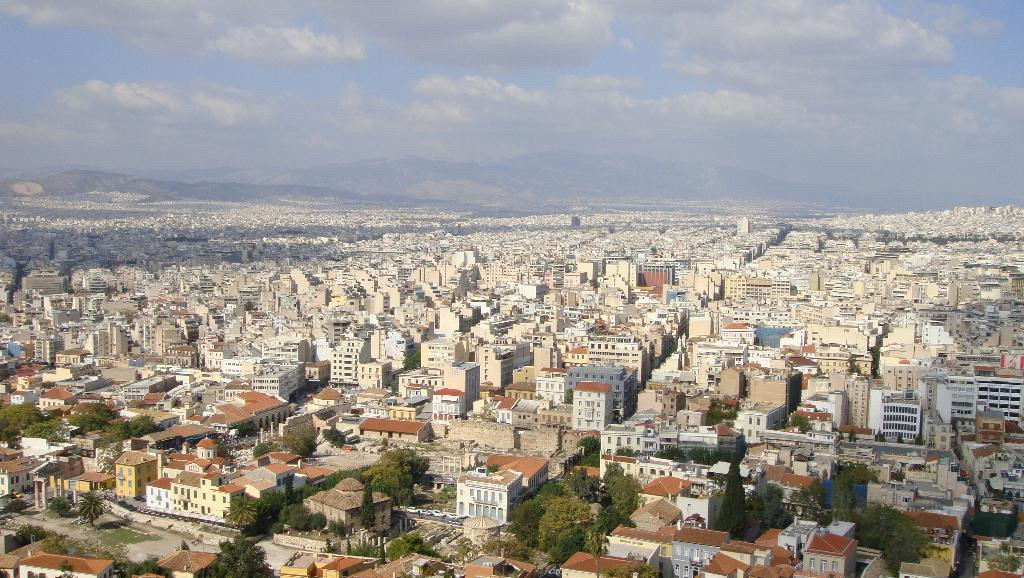

Why Athens Should Be on Your Bucket List

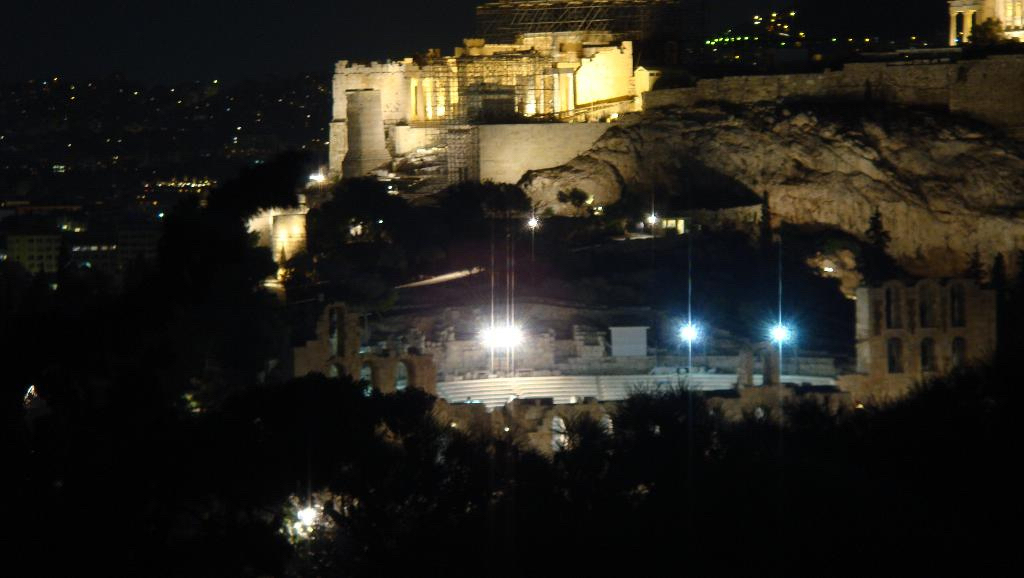
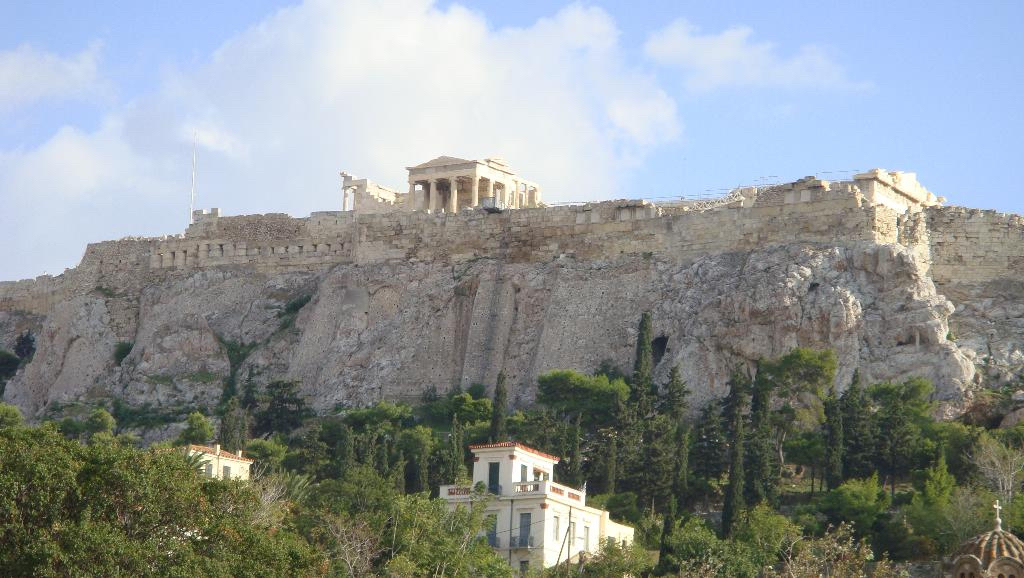
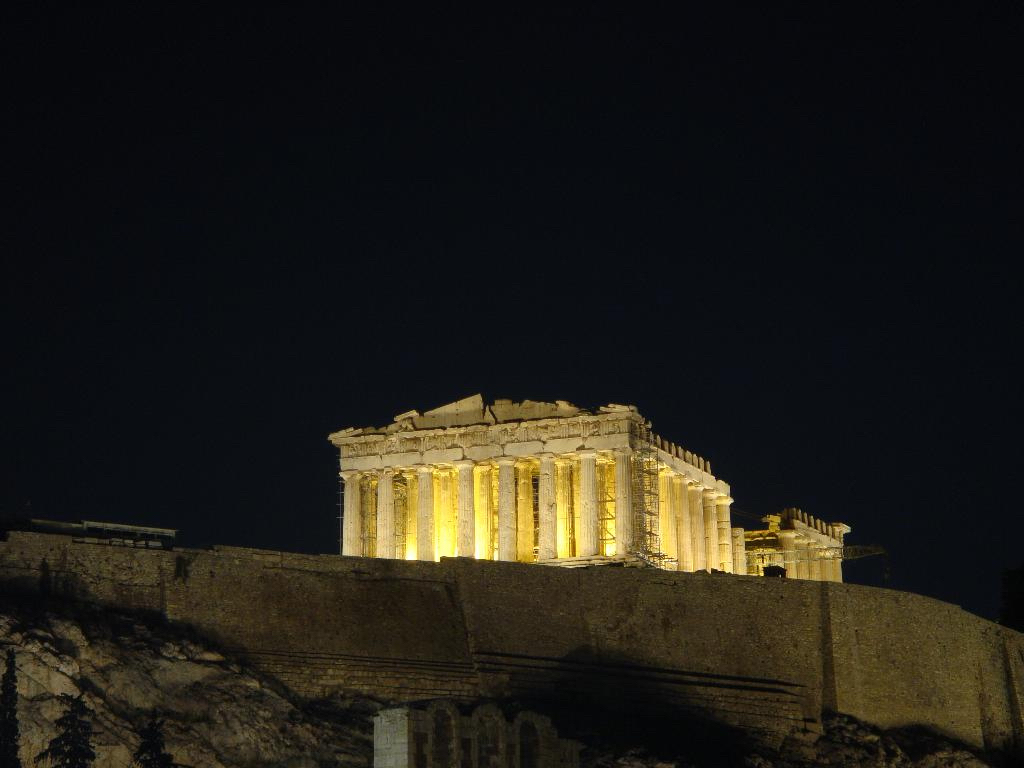
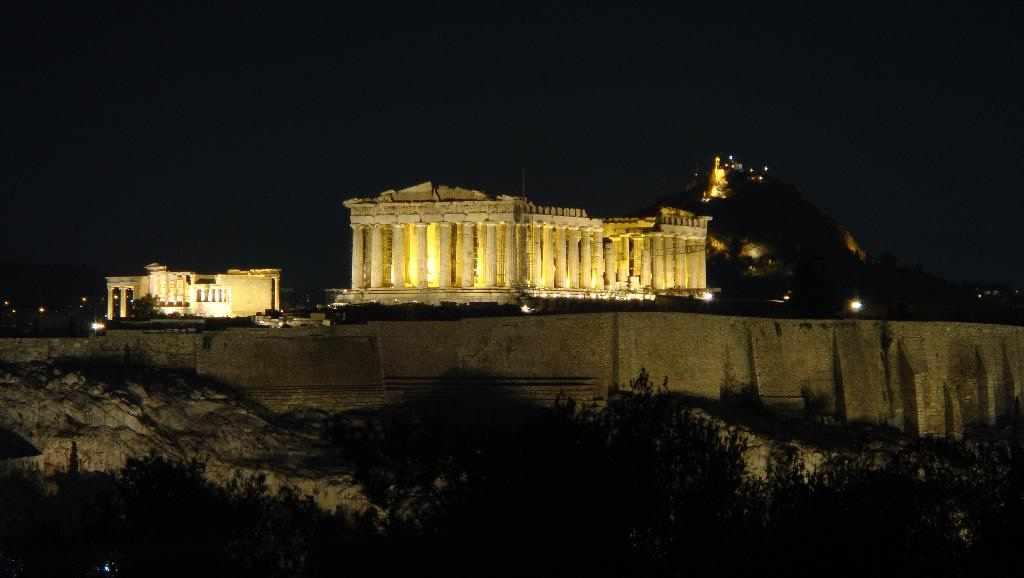
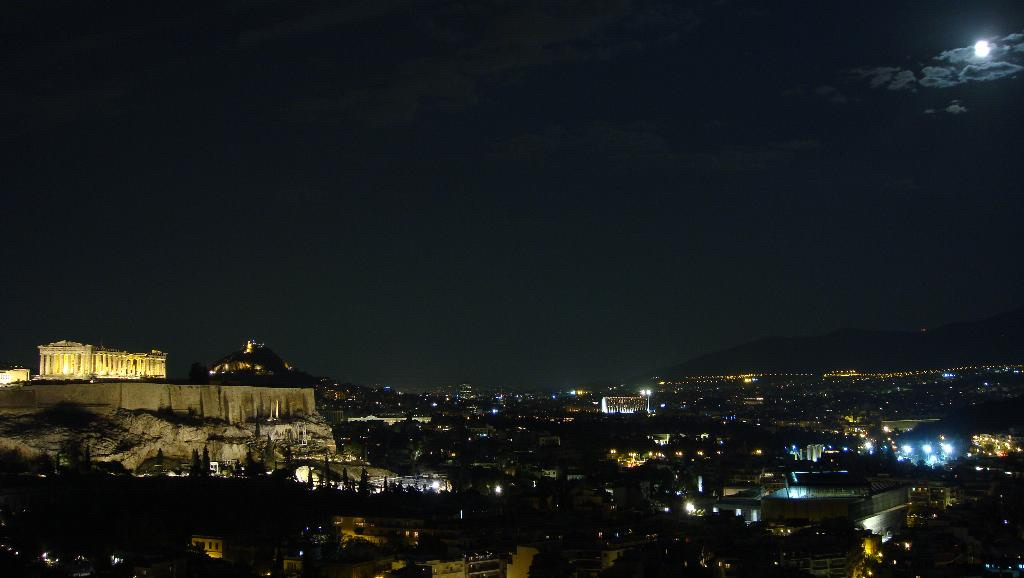
Imagine standing on a sun-drenched hill, gazing at the Parthenon as it glows golden against a deep blue sky. Below you, the hum of modern Athens blends with whispers from 2,500 years ago. This is Athens—a city where history isn’t locked in museums; it’s alive in the streets, the food, and even the conversations you’ll overhear at a local café.
Athens isn’t just another European capital. It’s the birthplace of democracy, philosophy, and drama. It’s where gods once walked among mortals (or so the myths say), and where the Olympic Games first lit their eternal flame. Today, it’s a vibrant metropolis that balances ancient ruins with rooftop bars, bustling markets, and a nightlife that rivals any modern city.
If you’re planning a trip to Greece, Athens is your gateway—not just to the islands, but to the soul of Western civilization. And trust me, once you’ve wandered through its marble streets and tasted its legendary souvlaki, you’ll understand why travelers keep coming back.
Athens Today: A City That Never Sleeps
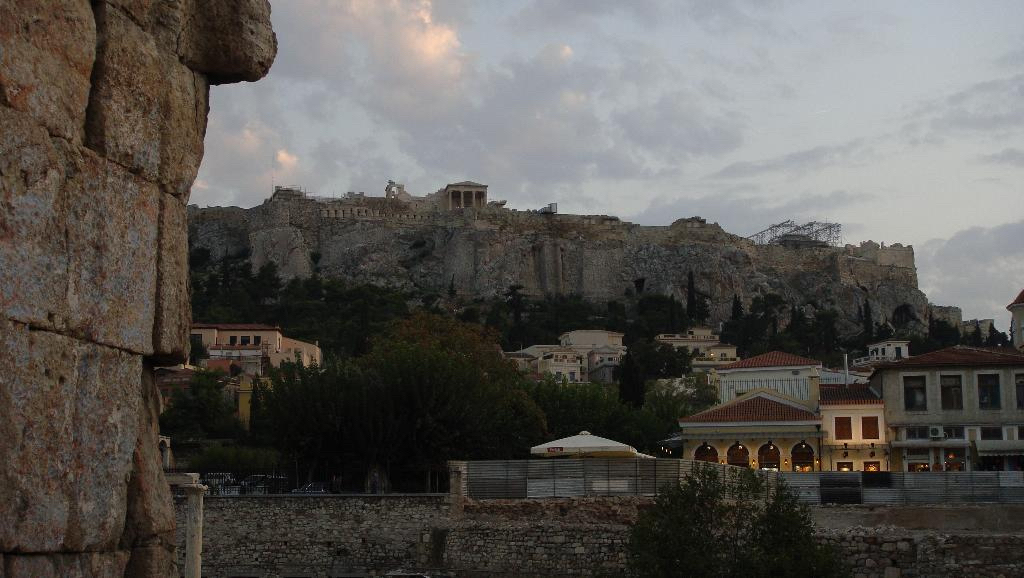
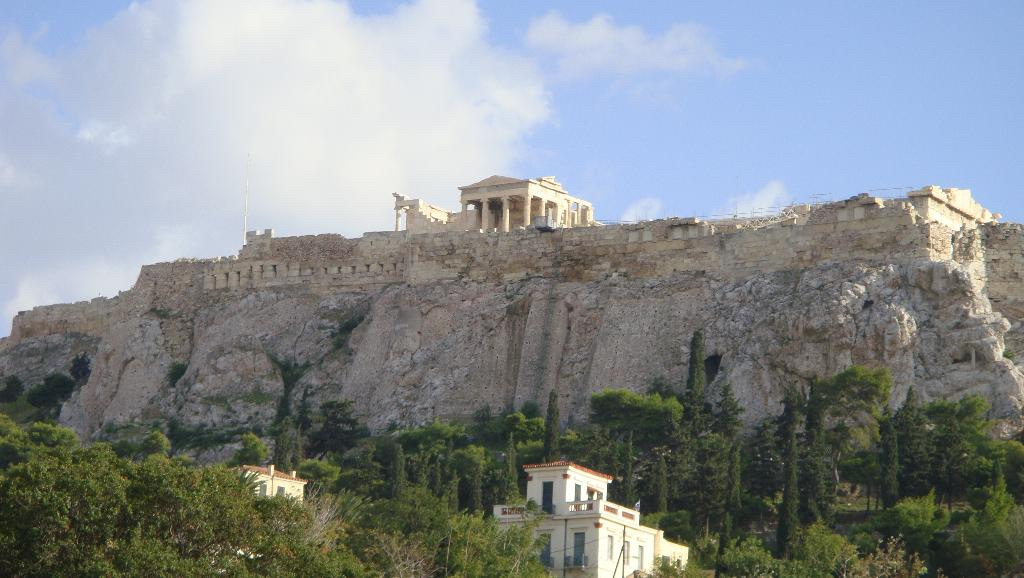
Athens is a city of contrasts. On one hand, you have the Acropolis towering over the skyline, a timeless reminder of its glorious past. On the other, you’ll find sleek metro stations, trendy neighborhoods like Gazi and Psirri, and a café culture that rivals Paris.
Getting Around:
The Athens Metro is clean, efficient, and surprisingly beautiful—some stations double as mini-museums showcasing ancient artifacts unearthed during construction. Taxis are plentiful, but if you want to feel like a local, hop on a bus or simply walk. Athens is surprisingly walkable, especially around the historic center.



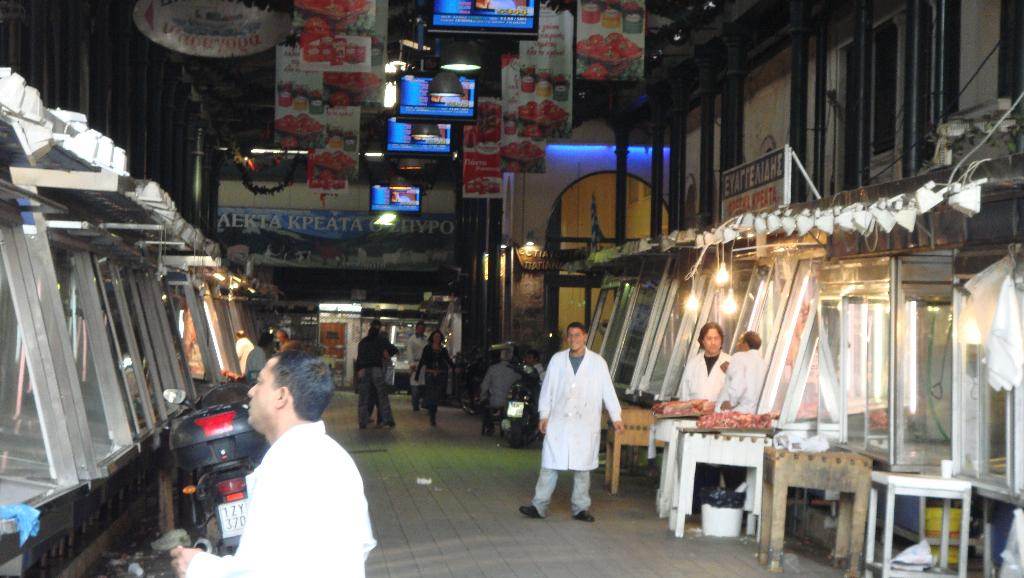


Neighborhoods to Explore:
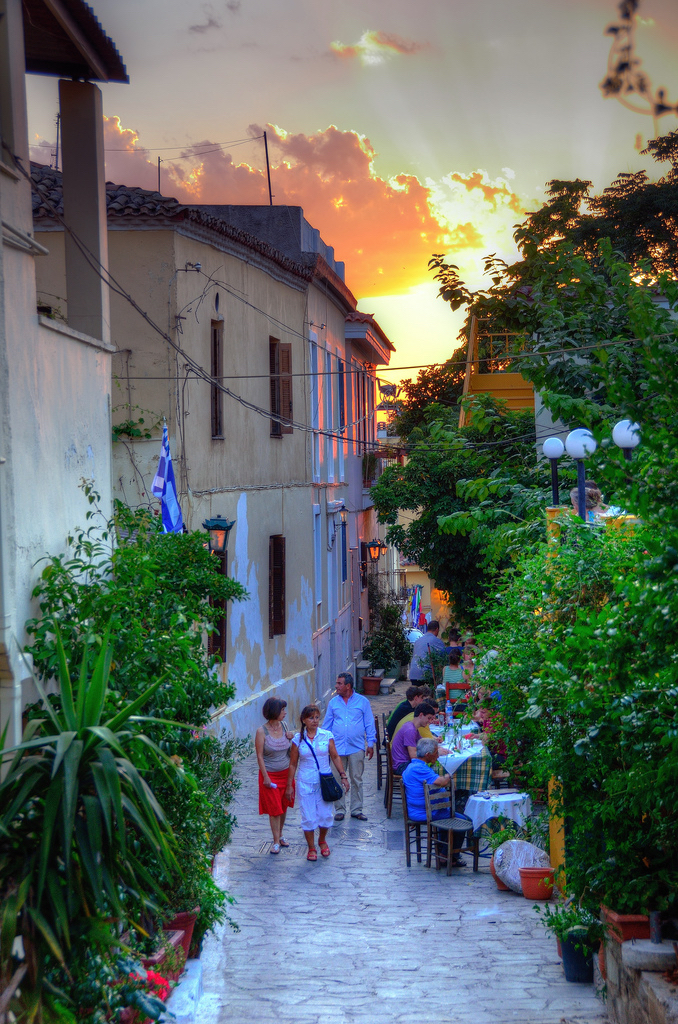
- Plaka: The “Neighborhood of the Gods,” with cobblestone streets, neoclassical houses, and tavernas serving moussaka and ouzo.
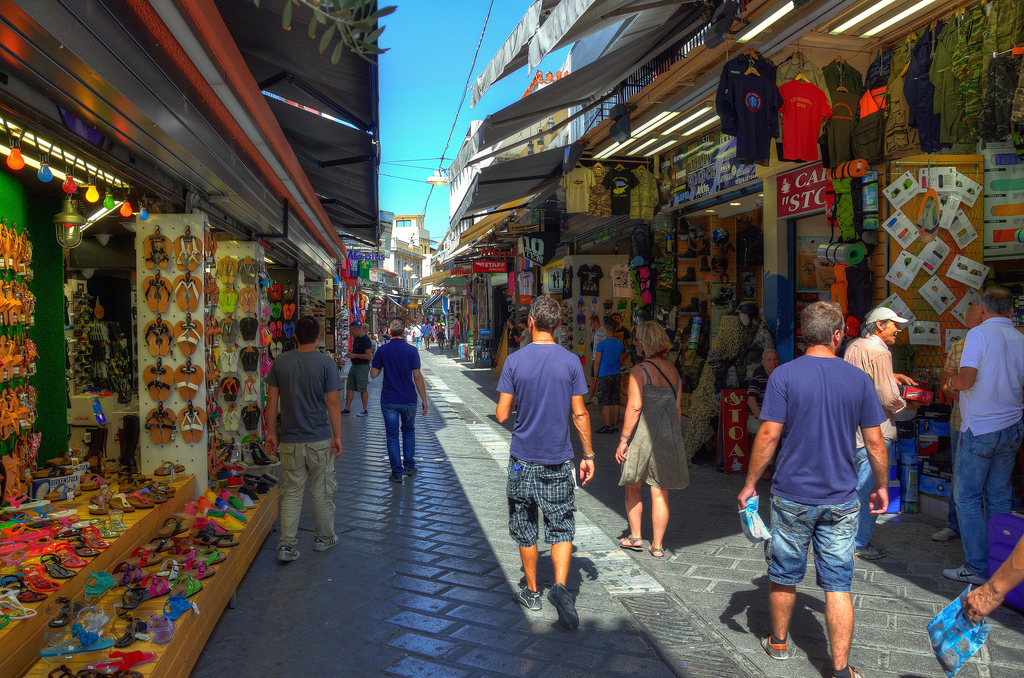
- Monastiraki: A paradise for bargain hunters and antique lovers. Think flea markets, quirky shops, and rooftop bars with killer Acropolis views.
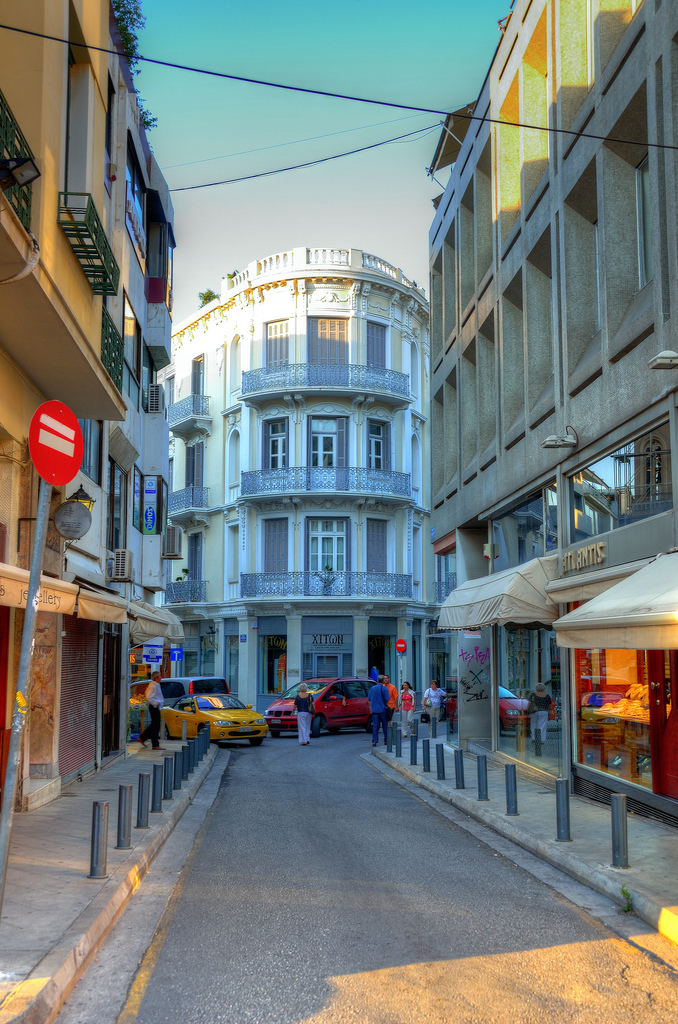
- Kolonaki: Chic and upscale, perfect for designer shopping and sipping espresso like an Athenian aristocrat.
- Psirri & Gazi: The nightlife hubs. If you want live music, craft cocktails, and a taste of Athens after dark, this is where you go.
The Vibe:
Athens is loud, chaotic, and utterly charming. You’ll hear car horns, laughter spilling from tavernas, and the occasional street musician playing a bouzouki. It’s a city that feels alive—because it is.
Greek Government: From Ancient Democracy to Modern Politics
One of the coolest things about Athens is that you’re walking through the birthplace of democracy. Seriously—those political debates you see on TV? They trace their roots back to the Agora, where ancient Athenians gathered to vote on laws and policies over 2,500 years ago. Imagine a world where citizens (well, male citizens back then) stood in open spaces and argued passionately about taxes, wars, and justice. No Twitter threads, just pure face-to-face debate!
Ancient Athens: The Original Democracy
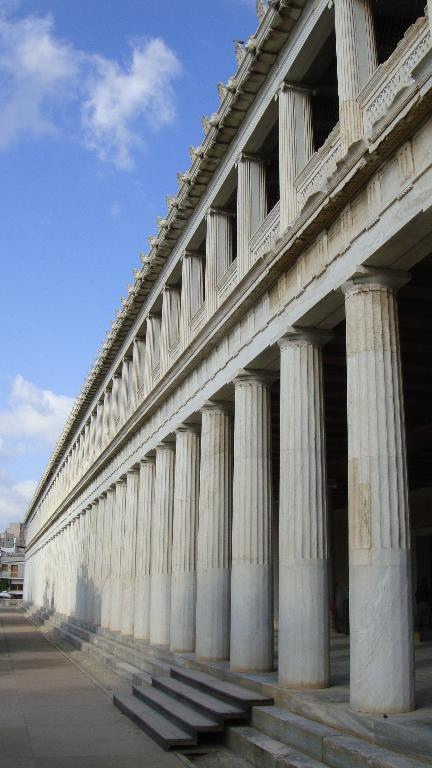
Back in the 5th century BCE, Athens introduced a radical idea: power should belong to the people. Citizens could vote directly on laws, and leaders were chosen by lot. It wasn’t perfect—women, slaves, and foreigners were excluded—but it was revolutionary for its time. When you visit the Ancient Agora, you can almost hear the echoes of those debates.
Modern Greece: How It Works Today
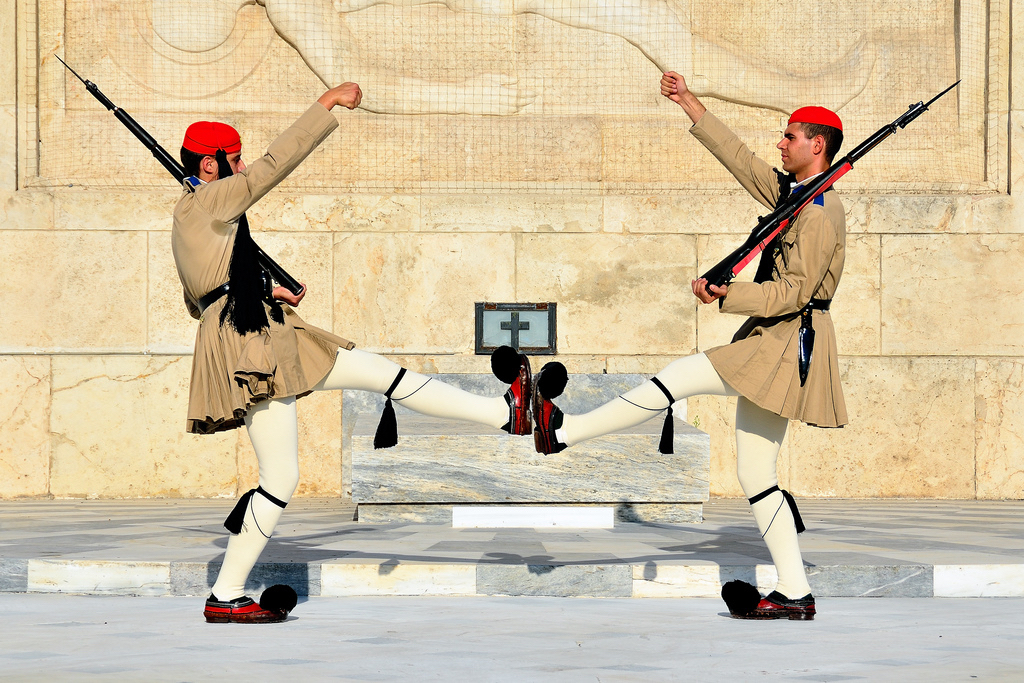
Fast forward to now, and Greece is a parliamentary republic. The government is headed by a Prime Minister, and there’s a President who serves as the head of state. The Parliament sits in a neoclassical building in Syntagma Square, right across from the famous changing of the guard at the Tomb of the Unknown Soldier. If you’re in Athens, don’t miss this ceremony—it’s mesmerizing, with soldiers in traditional uniforms performing precise, slow-motion steps.
Fun Tip:
If you’re a history buff, take a guided tour of the Parliament building. It’s not just politics—it’s architecture, art, and centuries of stories rolled into one.
Origins of the Olympics: Where It All Began
When you think of the Olympics, you probably picture athletes sprinting down tracks or diving into pools under a blazing torch. But did you know the roots of this global phenomenon go all the way back to ancient Greece—long before stadiums and sponsorship deals?
The Ancient Games
The first recorded Olympic Games took place in 776 BCE in Olympia, not Athens, but Athens played a huge role in shaping the spirit of competition. These games were held every four years to honor Zeus, the king of the gods. Picture this: athletes competing naked (yes, really!) in events like wrestling, chariot racing, and the pentathlon. Winning wasn’t just about glory—it was about immortality in the eyes of your city-state.
Athens and the Panathenaic Games
Athens had its own version called the Panathenaic Games, held in honor of Athena, the city’s patron goddess. These weren’t just athletic contests—they included music, poetry, and even beauty competitions. The Panathenaic Stadium, which you can visit today, is where the first modern Olympic Games were revived in 1896. Standing there, you can almost feel the weight of history and hear the roar of the crowd from over a century ago.
Modern Revival
Fast forward to 1896: Athens hosted the first modern Olympics, bringing the ancient tradition back to life. Today, the Olympic flame is still lit in Olympia before every Games and then carried across the world—a beautiful nod to its origins.
Travel Tip:
Don’t miss the Panathenaic Stadium tour. It’s the only stadium in the world made entirely of marble, and you can even run on the track where history was made. Trust me, it’s a goosebumps moment.
Greek Mythology and Athens: Where Legends Come Alive
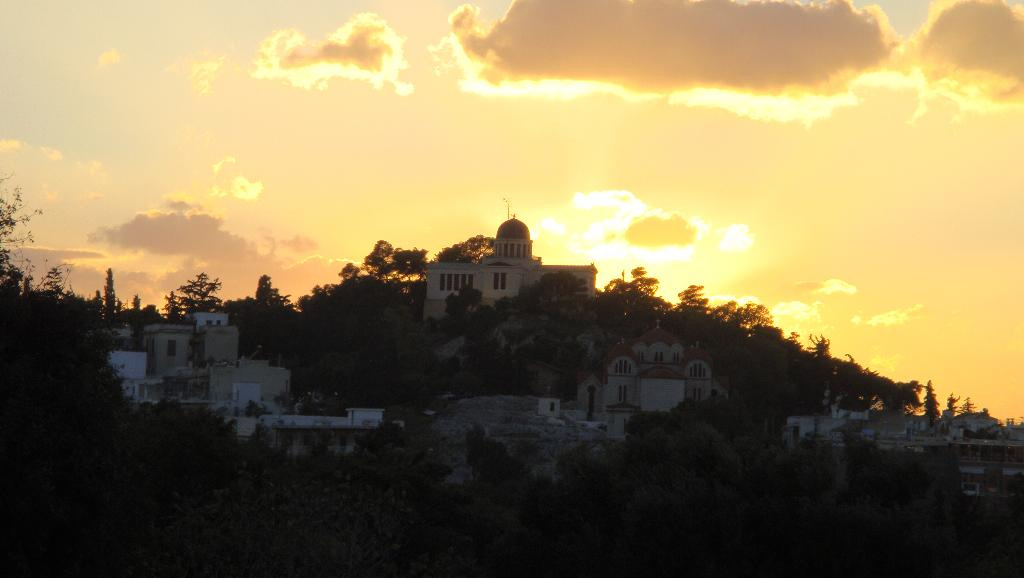


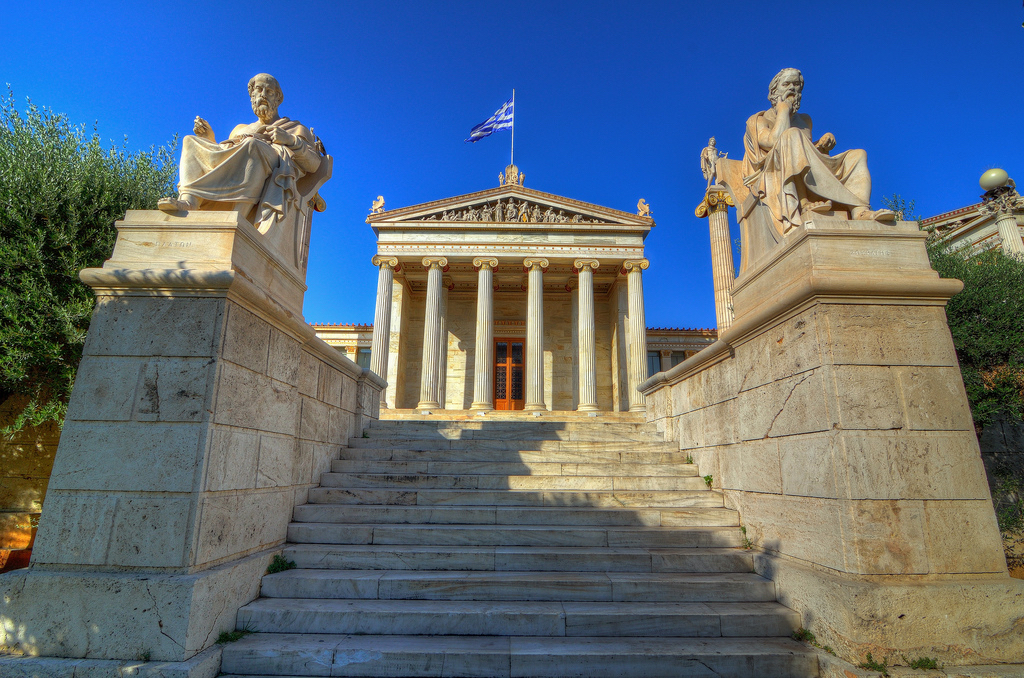

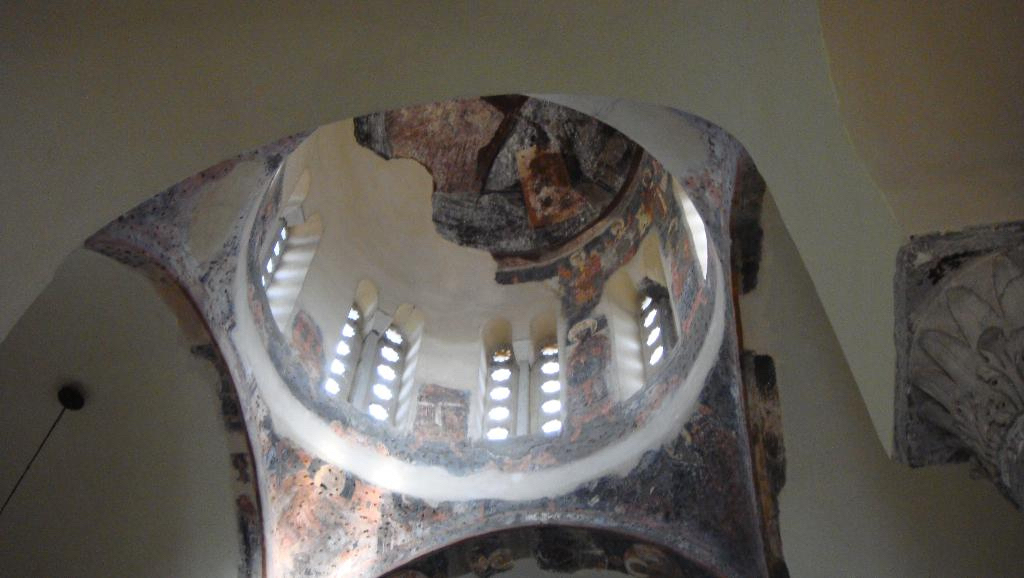




If Athens feels magical, that’s because it practically is—at least according to the myths. This city isn’t just a collection of ruins; it’s a stage where gods, heroes, and epic stories once played out. And trust me, once you start digging into the mythology, you’ll see Athens in a whole new light.
Athena: The Goddess Who Named a City
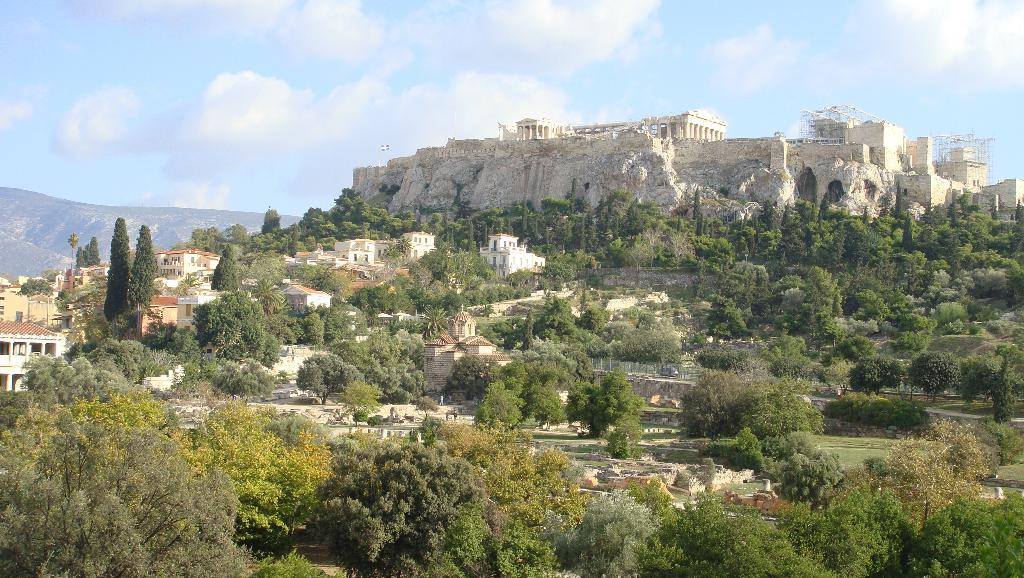
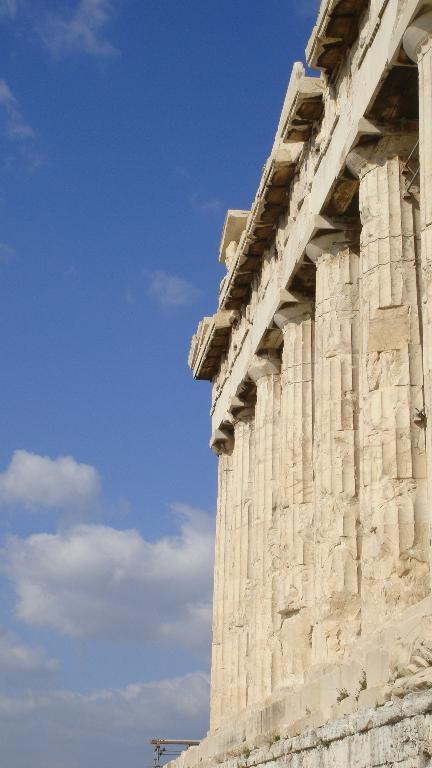
Let’s start with the big one: Athens is named after Athena, the goddess of wisdom and war strategy. The myth goes like this: Poseidon and Athena both wanted to be the patron deity of the city. Poseidon struck the ground with his trident and created a saltwater spring (or a horse, depending on the version). Athena offered an olive tree—a symbol of peace and prosperity. The people chose Athena, and the city has been hers ever since. When you stand on the Acropolis and see the Parthenon, remember—it was built in her honor.
Other Gods in the Mix
Athens wasn’t just Athena’s playground. Zeus, the king of the gods, had his own massive temple here—the Temple of Olympian Zeus. Dionysus, god of wine and theater, inspired the dramatic arts that flourished in Athens. And let’s not forget Hermes, Apollo, and Artemis, who all had their shrines scattered across the city.
Myth Meets Reality
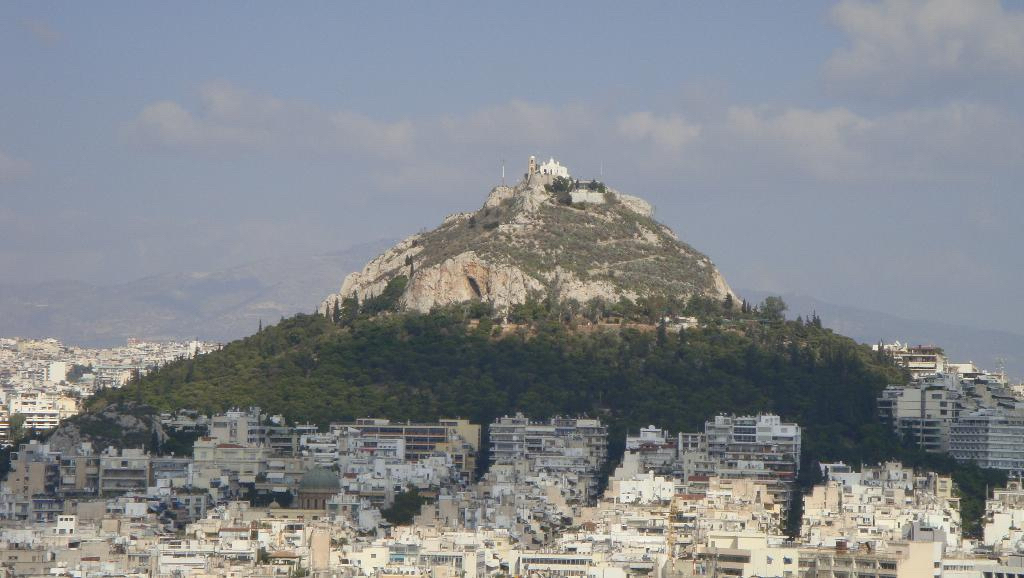
What’s amazing is how these myths seep into everyday life. You’ll see Athena’s owl on souvenirs, hear locals refer to Mount Lycabettus as a place blessed by the gods, and even taste mythology in your food—olive oil, anyone?
Travel Tip:
Visit the Acropolis Museum. It’s not just artifacts; it’s storytelling at its finest. You’ll see sculptures that once adorned temples dedicated to these gods, and the exhibits explain the myths behind them in a way that makes you feel like you’re part of the legend.
Greek Culture: A Feast for the Senses
If history is Athens’ backbone, culture is its heartbeat. The city isn’t just about marble ruins and myths—it’s alive with music, flavors, and traditions that will make you fall in love with Greece all over again.
Language & Hospitality
Greek is the official language, and while you’ll hear plenty of English in tourist areas, learning a few words like kalimera(good morning) or efharisto (thank you) will earn you instant smiles. Greeks are famously warm and welcoming—don’t be surprised if a taverna owner offers you a free dessert or a glass of ouzo “on the house.” It’s their way of saying, “You’re family now.”
Food: Where Do We Even Start?
Greek cuisine is a love letter to simplicity and flavor. Think fresh olive oil, ripe tomatoes, creamy feta, and herbs that taste like sunshine. Must-try dishes?
- Souvlaki: Skewered meat served with pita and tzatziki.
- Moussaka: Layers of eggplant, minced meat, and béchamel sauce.
- Spanakopita: Spinach and feta wrapped in flaky phyllo pastry.
And don’t skip dessert—baklava and loukoumades (Greek doughnuts) are pure bliss.
Music & Dance
Ever heard of bouzouki? It’s the soul of Greek music, and you’ll hear it in lively tavernas where locals break into traditional dances like sirtaki. If you’re brave, join in—it’s all about fun, not perfection.
Festivals & Traditions
Athens loves a good celebration. Easter is huge here, with candlelit processions and feasts that last all night. In summer, the Athens & Epidaurus Festival brings theater and music to ancient venues like the Odeon of Herodes Atticus. Imagine watching a play under the stars in a 2,000-year-old theater—goosebumps guaranteed.
Travel Tip:
Skip the tourist traps and eat where the locals do. Head to Psirri or Exarchia for authentic tavernas, and don’t be shy about asking for recommendations. Greeks love sharing their favorite spots.
Historical Sites in Athens: Walking Through Time
Athens is basically an open-air museum. You don’t just visit historical sites here—you live them. Every corner feels like a time machine, and trust me, you’ll want to pack good walking shoes because this city is best explored on foot.
The Acropolis & Parthenon

Let’s start with the superstar: the Acropolis. Perched high above the city, this ancient citadel is home to the Parthenon, a temple dedicated to Athena. Standing there, with marble columns glowing in the sun, you’ll understand why this is one of the most iconic landmarks in the world.
Pro Tip: Go early in the morning or late in the afternoon to avoid crowds and catch that magical golden light for photos.
Temple of Olympian Zeus
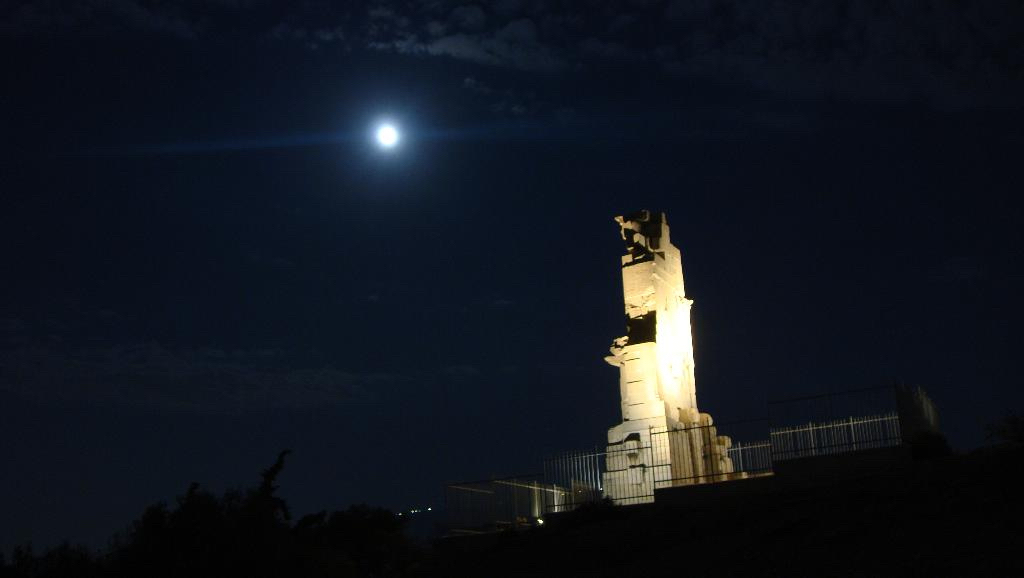
Just a short walk from the Acropolis, you’ll find the remains of the Temple of Olympian Zeus. Once the largest temple in Greece, it took over 600 years to complete! Today, only a handful of columns remain, but they’re massive—perfect for imagining the scale of ancient ambition.
Ancient Agora
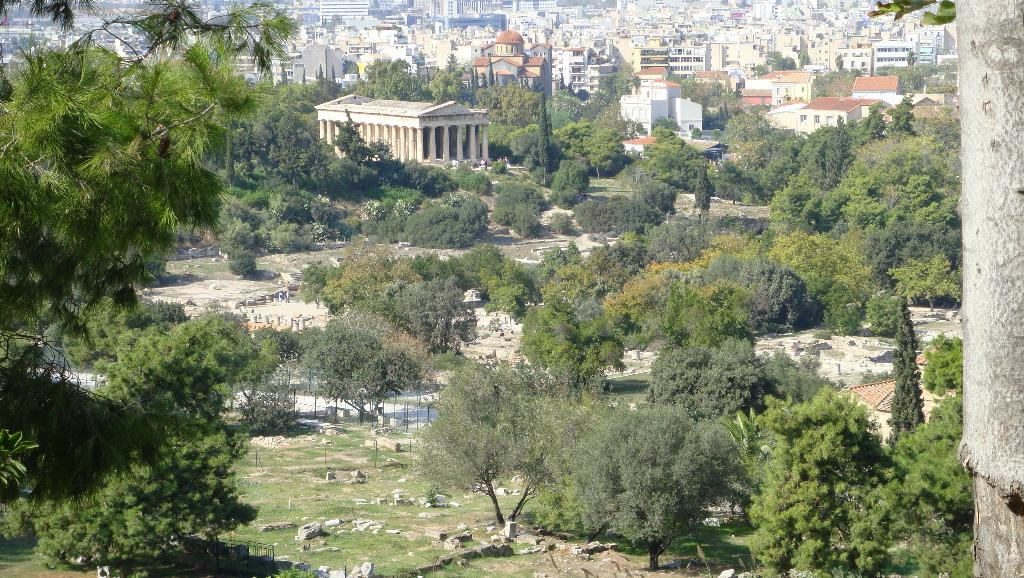
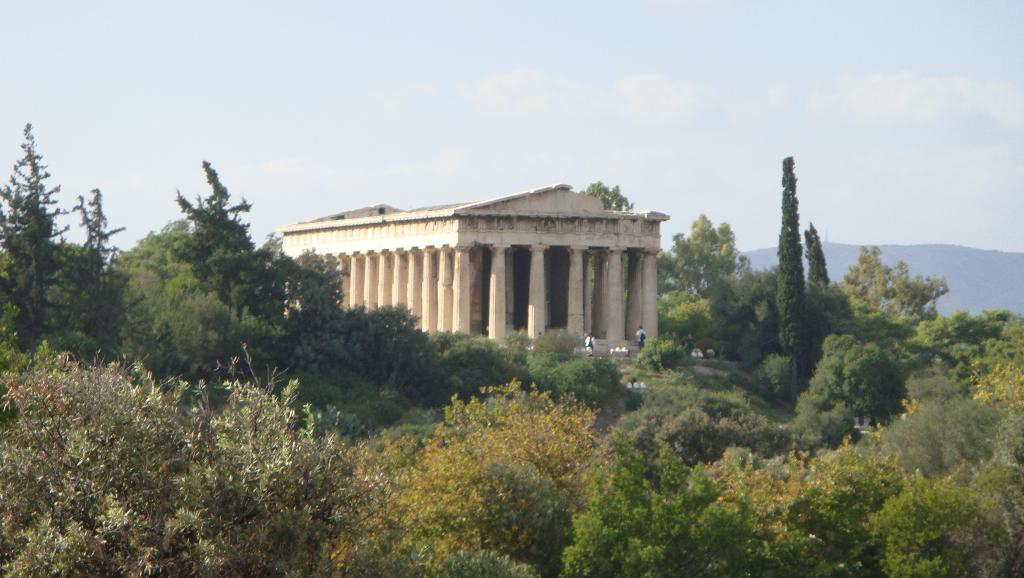
This was the beating heart of ancient Athens—a marketplace, meeting spot, and political hub all rolled into one. Stroll among the ruins and picture Socrates debating philosophy here. Don’t miss the beautifully preserved Temple of Hephaestus—it’s a hidden gem.
Panathenaic Stadium
Ever dreamed of running on an Olympic track? This is your chance. The Panathenaic Stadium hosted the first modern Olympics in 1896 and is made entirely of marble. It’s stunning, and yes, you can jog a lap for the ultimate bragging rights.
National Archaeological Museum
If you’re a history buff, this is heaven. From golden masks of Mycenaean kings to intricate statues, the museum is a treasure trove of Greek art and artifacts. It’s the perfect way to dive deeper into everything you’ve seen outdoors.
Plaka & Monastiraki
These neighborhoods are historical sites in their own right. Plaka is all winding streets, colorful houses, and tavernas that feel frozen in time. Monastiraki is where you’ll find flea markets, quirky shops, and rooftop bars with jaw-dropping Acropolis views.
Travel Tip:
Buy a combined ticket for the major archaeological sites—it saves money and time. And wear comfortable shoes; those ancient stones can be slippery!
Temple of Hephaestus: Athens’ Hidden Gem
If the Parthenon is Athens’ celebrity, the Temple of Hephaestus is its underrated star. Tucked away in the Ancient Agora, this temple is one of the best-preserved examples of classical Greek architecture—and honestly, it’s breathtaking.
What Makes It Special?
Built around 449 BCE, this temple was dedicated to Hephaestus, the god of fire and craftsmanship, and Athena Ergane, goddess of pottery and crafts. It’s fitting because the area around the Agora was once full of metal workshops and artisans. Imagine the clang of hammers and the glow of furnaces as you stand there today.
Architecture & Design
The temple is a classic Doric masterpiece—think sturdy columns, simple elegance, and harmony in every proportion. Unlike the Parthenon, which has suffered more damage over the centuries, the Temple of Hephaestus still has its roof intact. That means you can really appreciate its original form, almost as the Athenians did 2,400 years ago.
The Vibe
It’s quieter than the Acropolis, which makes it perfect for soaking in the atmosphere without the crowds. Surrounded by greenery and overlooking the Agora, it feels like a serene escape in the middle of the city.
Travel Tip:
Go in the late afternoon when the sun casts a warm glow on the marble. Bring a camera—you’ll want to capture those shadows dancing across the columns.