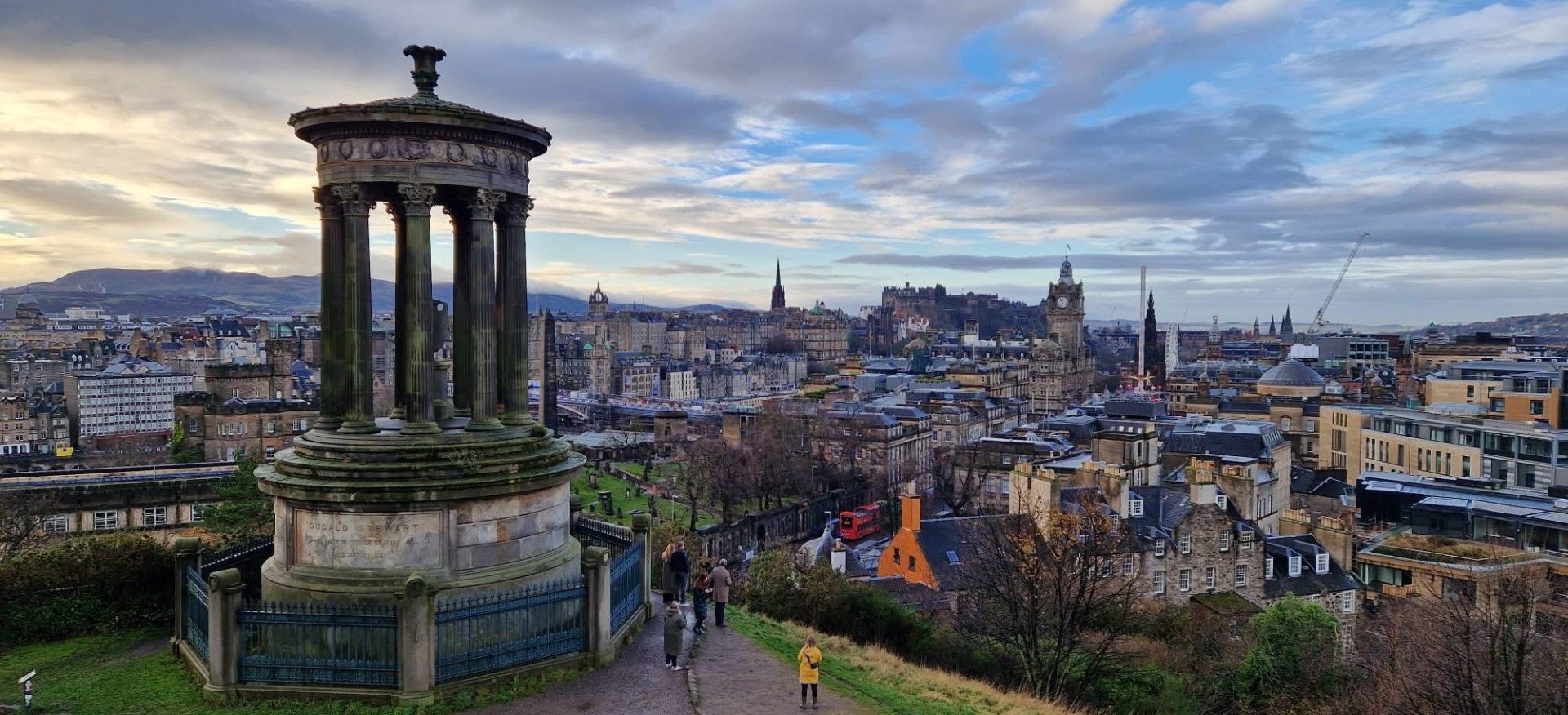
Edinburgh: Scotland’s Historic, Cultural, and Atmospheric Capital
Edinburgh is a city where ancient stone streets meet vibrant modern life, where dramatic hills rise above elegant Georgian avenues, and where centuries of history sit comfortably alongside world‑class festivals, food, and culture. As Scotland’s capital and one of Europe’s most captivating cities, Edinburgh offers travelers a rich blend of architecture, storytelling, natural beauty, and unforgettable experiences. Whether you’re here for a weekend or a longer journey through Scotland, Edinburgh is a destination that rewards both first‑time visitors and returning explorers.
The Character of Edinburgh
Edinburgh is built around two historic hearts: the Old Town, with its medieval closes and the iconic Royal Mile, and the New Town, a masterpiece of Georgian planning. Together, they form a UNESCO World Heritage Site and create one of the most atmospheric cityscapes in the world. The city is also shaped by its volcanic geography—Arthur’s Seat, Castle Rock, and Calton Hill offer dramatic viewpoints and easy access to nature within minutes of the city center.
Edinburgh is known for its literary heritage, its thriving arts scene, and its warm, welcoming spirit. It’s a city that feels intimate yet full of depth, making it easy to explore but endlessly rewarding.
Top Landmarks and Must‑See Experiences
Edinburgh is filled with iconic sights that define the city’s identity. Some of the essentials include:
- Edinburgh Castle — Perched atop Castle Rock, this fortress offers sweeping views and centuries of history.
- The Royal Mile — A historic street lined with museums, shops, pubs, and hidden alleyways leading down to the city’s oldest corners.
- Holyrood Palace — The official Scottish residence of the British monarch, located at the foot of the Royal Mile.
- Arthur’s Seat — A short but rewarding hike up an ancient volcano with panoramic views of the city and coastline.
- Calton Hill — One of the best spots for sunrise and sunset photography.
- National Museum of Scotland — A free, world‑class museum covering everything from natural history to Scottish culture.
- Grassmarket — A lively area filled with pubs, restaurants, and views of the castle.
These highlights form the backbone of most visits, but Edinburgh’s charm lies equally in its quieter corners.
Neighborhoods to Explore
Each part of Edinburgh has its own personality:
- Old Town — Medieval, atmospheric, full of history and character.
- New Town — Georgian architecture, elegant streets, boutique shopping, and refined dining.
- West End — Independent shops, cozy cafés, and cultural venues.
- Stockbridge — Leafy, village‑like, with a popular Sunday market and riverside walks.
- Leith — A waterfront district with excellent restaurants and a more local feel.
Exploring these neighborhoods gives you a deeper sense of the city beyond its major attractions.
Food, Drink, and Local Culture
Edinburgh’s food scene blends traditional Scottish flavors with modern creativity. Expect fresh seafood, hearty classics, and innovative tasting menus. Whisky bars are plentiful, offering tastings and flights for beginners and enthusiasts alike. The city’s pub culture is warm and inviting, and its café scene is perfect for slow mornings or rainy afternoons.
Edinburgh is also famous for its festivals—especially the Edinburgh Festival Fringe, the world’s largest arts festival, which transforms the city every August. Other highlights include the International Festival, the Book Festival, and the world‑renowned Hogmanay celebrations at New Year.
Outdoor Activities and Scenic Walks
Despite being a capital city, Edinburgh offers abundant outdoor experiences:
- Arthur’s Seat and Holyrood Park — A rugged landscape right in the city.
- Salisbury Crags — A dramatic cliff walk with sweeping views.
- Water of Leith Walkway — A peaceful riverside path connecting Dean Village, Stockbridge, and Leith.
- Calton Hill — Easy access and stunning views of the skyline.
These natural spaces make Edinburgh ideal for travelers who enjoy combining city exploration with scenic walks.
Where to Stay
Accommodation options suit every style and budget:
- Old Town — Best for first‑time visitors who want to be close to major sights.
- New Town — Great for elegant hotels, shopping, and dining.
- West End — Quieter, stylish, and well‑connected.
- Leith — Trendy, waterfront, and home to some of the city’s best restaurants.
Booking early is essential during festival season (August) and around New Year.
Getting Around
Edinburgh is compact and walkable, especially in the central districts. Public transport includes buses and trams, with easy connections to the airport. Taxis and rideshares are widely available. Comfortable shoes are recommended—Edinburgh’s cobblestones and hills are part of its charm, but they can be demanding.
When to Visit
- Summer — Long days, warm weather, and major festivals; also the busiest season.
- Autumn — Beautiful colors, fewer crowds, and mild temperatures.
- Winter — Atmospheric, festive, and great for cozy pubs and holiday markets.
- Spring — Blossoms, fresh greenery, and pleasant weather.
Edinburgh is a year‑round destination, with each season offering its own appeal.
Practical Tips
- Book attractions like Edinburgh Castle in advance during busy months.
- Wear layers—weather can shift quickly.
- Start early for popular hikes and viewpoints.
- Explore beyond the Royal Mile to discover quieter, more local areas.
- Plan extra time for wandering—Edinburgh rewards slow exploration.
Edinburgh is a city that captures the imagination and invites you to explore its layers of history, culture, and natural beauty. It’s the perfect starting point for any journey through Scotland.