
Leaving Hamburg

There’s a particular kind of quiet that settles over Hamburg in the early morning — not silence, exactly, but a softness, like the city is still deciding what kind of day it wants to be. When I stepped outside that morning, the air had that crisp northern edge, cool enough to wake me up but gentle enough to feel like a promise. The sky was a pale, washed‑out blue, the kind that slowly deepens as the sun gathers confidence. It felt like the perfect moment to begin a journey.
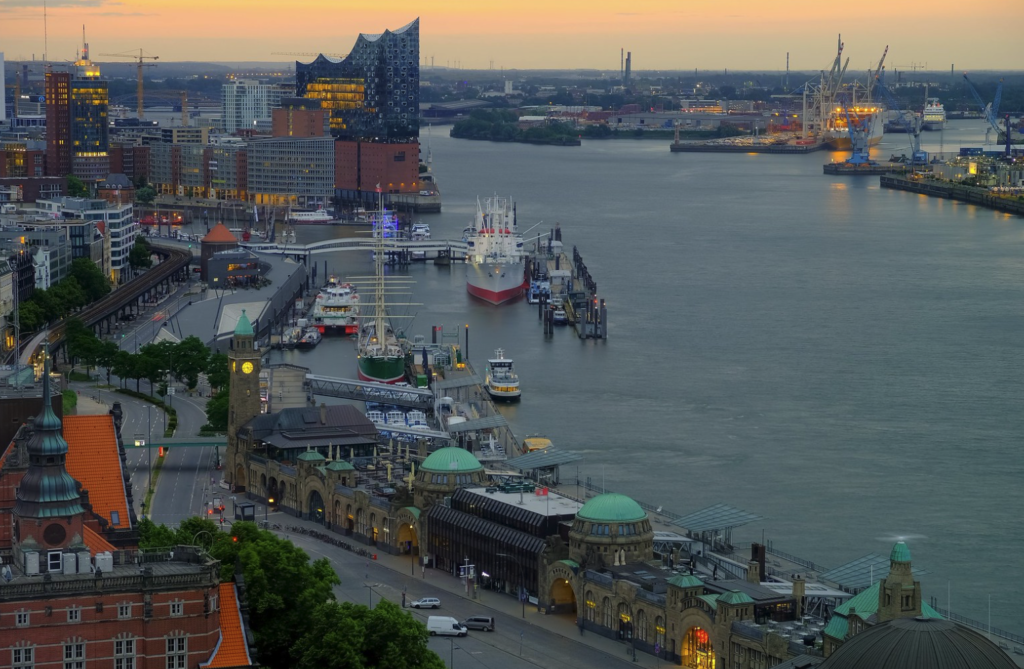
I loaded my bag into the car, shut the trunk with a satisfying thud, and took a breath before turning the key. The engine hummed to life, steady and familiar. There’s something grounding about that sound — the quiet assurance that the road ahead is yours to shape. I pulled out of the parking spot and eased into the still‑sleepy streets of Hamburg, where the morning light was just beginning to slip between the buildings.
Driving through Hamburg at that hour feels like moving through a city in soft focus. The Elbe shimmered faintly as I crossed over it, the water catching the first hints of sunlight like scattered coins. A few early cyclists glided along the paths, their silhouettes long and stretched. Delivery vans rumbled in the distance. Even the Speicherstadt, usually so dramatic with its red‑brick facades and sharp lines, seemed gentler, as if the warehouses were still stretching their limbs after a long night.
As I merged onto the A1, the city slowly loosened its grip. The buildings thinned out, replaced by open stretches of road and the kind of wide‑sky horizon that always makes me feel like anything is possible. There’s a moment on every road trip when you feel the shift — when the familiar falls away and the journey truly begins. For me, it happened just past the city limits, when the traffic lightened and the road unfurled ahead like a ribbon.
The hum of the tires on the asphalt became a kind of soundtrack, steady and hypnotic. Wind turbines stood tall in the fields, their blades turning with a slow, deliberate grace. I’ve always loved that sight — the quiet choreography of these giant structures, moving with the wind as if they’re in no rush at all. It’s a reminder to breathe, to settle into the rhythm of the road.
As the kilometers slipped by, I found myself reflecting on why I love road trips so much. There’s a freedom in them that’s hard to replicate. You’re not confined to a schedule or a seat number. You can stop when something catches your eye, take a detour just because the name of a town sounds interesting, or linger somewhere longer than planned. The journey becomes as important as the destination — sometimes even more so.
Hamburg faded behind me, but not abruptly. It was more like a slow dissolve, the way a scene transitions in a film. One moment I was surrounded by the city’s industrial edges and waterways, and the next I was gliding through the softer landscapes of Schleswig‑Holstein. Fields stretched out on either side, dotted with farmhouses and clusters of trees. The light grew warmer, brushing the tops of the grass with gold.
I rolled down the window slightly, letting the cool air sweep through the car. It carried the faint scent of damp earth and early‑morning dew — that unmistakable smell of northern Germany waking up. There’s something grounding about it, something that makes you feel connected to the land even as you’re passing through it.
As Lübeck drew closer, the anticipation of the first stop added a quiet excitement to the drive. I’d been to Lübeck before, but there’s something about approaching a familiar place from the road that makes it feel new again. The signs began to appear — Lübeck 20 km, Lübeck 10 km — and with each one, I felt the subtle shift from the openness of the highway to the promise of a city with centuries of stories woven into its streets.
But before reaching Lübeck, I allowed myself a moment to simply enjoy the in‑between — that stretch of road where you’re not quite where you started and not yet where you’re going. It’s a liminal space, a pause in the narrative, and it’s often where the best reflections happen. The car became its own little world, moving steadily forward while my thoughts drifted like clouds across the sky.
By the time the spires of Lübeck appeared in the distance, rising above the landscape like a quiet greeting, I felt fully immersed in the journey. Hamburg was behind me, Copenhagen ahead, but in that moment, I was exactly where I needed to be — on the road, in motion, open to whatever the day would bring.
The Lübeck Stop
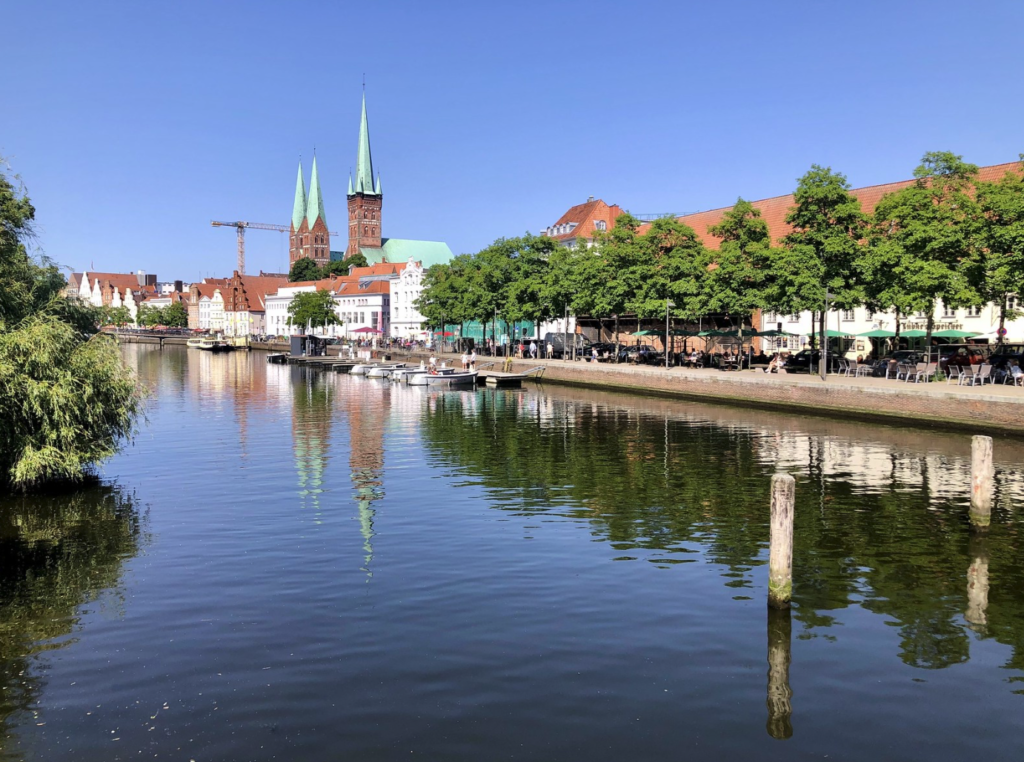
Lübeck always seems to rise out of the landscape with a kind of quiet confidence, as if it knows exactly who it is and has no need to announce itself. Even from a distance, the spires appear first — thin, elegant silhouettes that pierce the sky long before the rest of the city comes into view. As I approached, the morning light caught the copper roofs, giving them a soft, muted glow. It felt like driving toward a memory rather than a destination.
The transition from highway to city streets was gentle, almost seamless. One moment I was cruising along open road, the hum of the engine steady beneath me, and the next I was gliding into a place where time seemed to move differently. Lübeck has that effect — it slows you down without asking, invites you to breathe a little deeper, look a little closer.
I found parking near the old town, close enough to walk but far enough that the first steps into the city felt like an approach, a small ritual of arrival. The air carried a faint sweetness, subtle but unmistakable: marzipan. It’s impossible to be in Lübeck and not catch that scent drifting from one of the traditional confectioners. It’s like the city’s signature, woven into the atmosphere.
Crossing the bridge into the Altstadt, the Holstentor stood before me — that iconic brick‑gothic gate with its slightly leaning towers and dark, almost brooding presence. It’s the kind of structure that feels both imposing and welcoming, like a guardian that has watched centuries of travelers pass beneath it. I paused for a moment, letting the weight of history settle around me. There’s something grounding about standing in front of a building that has seen so much, endured so much, and still stands with such quiet dignity.
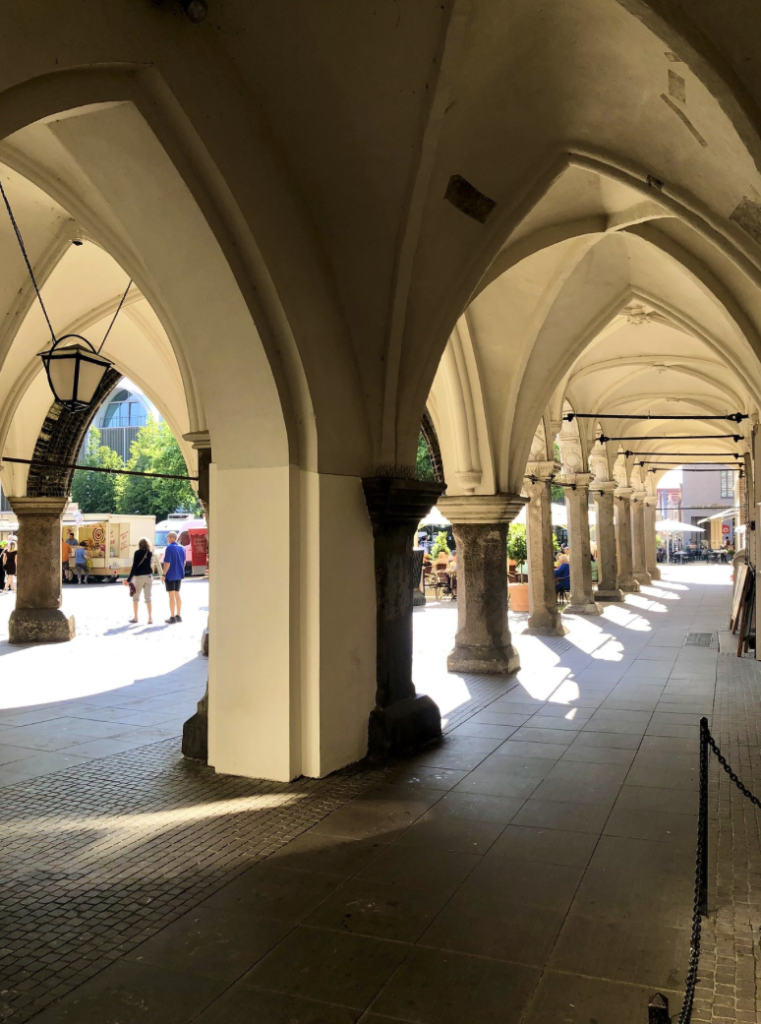
Inside the old town, the streets narrowed into a maze of cobblestones and red‑brick facades. The morning sun filtered through the gaps between buildings, casting long, soft shadows that stretched across the ground like brushstrokes. A few locals moved through the streets with the unhurried ease of people who know their city intimately. Cyclists glided past, their wheels clicking softly against the stones. Shopkeepers were just beginning to open their doors, sweeping thresholds or adjusting displays.
I wandered without any particular plan, letting instinct guide me. Lübeck is the kind of place where getting lost feels intentional, almost necessary. Every corner reveals something — a quiet courtyard, a church tower, a glimpse of water between buildings. The city has layers, and each one feels like a small discovery.
Eventually, I found myself drawn toward a café tucked between two tall, narrow houses. Its windows were fogged slightly from the warmth inside, and the smell of fresh pastries drifted out each time someone opened the door. I stepped in and was greeted by the soft murmur of conversation, the clink of cups, the low hum of an espresso machine. The interior was cozy, all warm wood and soft light, the kind of place where time seems to slow down just enough.
I ordered a coffee and a small slice of marzipan cake — because in Lübeck, it felt almost disrespectful not to — and settled into a seat by the window. From there, I could watch the street outside as the city continued to wake up. People passed by in small waves: an older couple walking arm in arm, a young woman balancing a stack of books, a man with a dog that trotted proudly beside him. Each one seemed to belong to the rhythm of the place.
As I sipped my coffee, I felt that familiar sense of grounding that comes from being somewhere with deep roots. Lübeck isn’t loud about its history; it doesn’t need to be. It simply exists in a way that makes you aware of the passage of time, of the countless lives that have moved through its streets. It invites reflection without demanding it.
After finishing my coffee, I stepped back outside and continued wandering. The Marienkirche rose above the rooftops, its twin towers reaching skyward with a kind of solemn grace. Inside, the vastness of the space was almost overwhelming — the high ceilings, the echo of footsteps, the cool air that seemed to hold centuries of whispered prayers. I didn’t stay long, but the quiet stayed with me as I walked back into the sunlight.
Before returning to the car, I made one last stop at a small shop selling traditional Lübeck marzipan. I bought a few pieces — not out of obligation, but because it felt like taking a small piece of the city with me. Something sweet to carry forward.
Walking back toward the parking area, I felt a gentle shift inside me — the kind that happens when a place leaves its mark, even in a short visit. Lübeck had been a pause, a breath, a moment of stillness before the road continued north. It reminded me that journeys aren’t just about movement; they’re about the spaces in between, the places that catch you unexpectedly and stay with you long after you’ve left.
As I started the car and eased back onto the road, the city receded behind me, its spires shrinking into the distance. But the feeling lingered — a quiet warmth, a sense of connection. The road ahead stretched out once more, leading toward Denmark, toward new landscapes and new reflections. But Lübeck had already given the day a kind of depth, a richness that would shape everything that followed.
North Toward Denmark
Leaving Lübeck felt a little like stepping out of a warm room into the open air — not jarring, but noticeable, a shift in atmosphere. The city’s brick‑gothic towers receded behind me as I merged back onto the highway, their silhouettes shrinking until they became just another part of the horizon. The road ahead stretched long and clean, a pale ribbon cutting through the soft greens and golds of Schleswig‑Holstein. It was still morning, but the light had grown stronger, more confident, as if the day had fully woken up and was ready to travel with me.
There’s a particular rhythm that settles in after a good stop — a kind of renewed energy that makes the road feel fresh again. The hum of the engine blended with the steady whisper of tires on asphalt, creating a soundtrack that was both grounding and strangely meditative. The landscape opened up around me, wide fields dotted with farmhouses, clusters of trees, and the occasional herd of cows grazing lazily as if time moved differently for them. Northern Germany has a way of being both simple and expansive, a place where the sky feels impossibly large.
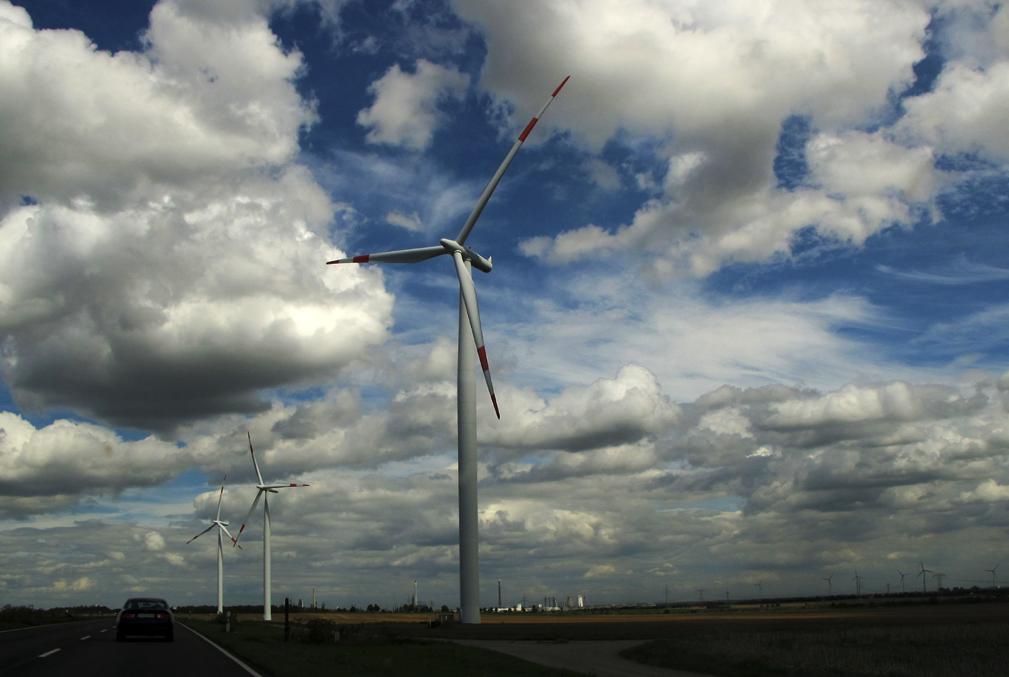
Wind turbines appeared again, scattered across the fields like giant white sentinels. Their blades turned with that slow, deliberate grace I always find calming. There’s something almost poetic about them — these towering structures harnessing the invisible, moving in harmony with forces you can’t see. They make the landscape feel alive, dynamic, even in its quietness.
As the kilometers slipped by, I found myself drifting into that reflective space that only long stretches of road seem to create. The kind where thoughts come and go like passing clouds, unhurried and unforced. I thought about the morning in Hamburg, the softness of Lübeck, the way each place had its own rhythm, its own light. Travel has a way of stitching moments together, creating a tapestry of impressions that feel both fleeting and lasting.
The highway northward was smooth and open, the kind of road that invites you to settle into a steady pace. Traffic was light — a few cars, a handful of trucks, the occasional caravan making its slow pilgrimage toward the Danish coast. Every so often, a sign would appear announcing the distance to Flensburg, to the border, to places that felt like stepping stones on the way to something larger.
I passed small towns whose names I didn’t know, each one marked by a cluster of rooftops and a church spire rising above them. They flickered by like brief chapters in a story I wasn’t reading but could somehow feel. There’s a beauty in that — in knowing that every place you pass has its own life, its own rhythm, even if you’re only brushing against it for a moment.
The sky began to shift as I drove, the blue deepening, clouds gathering in soft, painterly strokes. Northern light is different — cooler, more diffused, as if filtered through a thin veil. It gives everything a kind of quiet clarity, a softness that makes even the simplest scenes feel cinematic. A lone tree in a field. A farmhouse with a red roof. A stretch of road disappearing into the distance. All of it felt like part of a film I was both watching and living.
Somewhere past Rendsburg, I pulled into a rest area — not because I needed to, but because the landscape had taken on a stillness that made me want to pause. I stepped out of the car and stretched, feeling the cool air brush against my skin. The rest stop was simple: a few picnic tables, a small building, a scattering of trees. But there was something peaceful about it, something grounding. I stood there for a moment, listening to the faint rustle of leaves, the distant hum of passing cars, the quiet pulse of the day.
Back on the road, the signs for Denmark began to appear more frequently. Each one brought a small flicker of anticipation — not excitement exactly, but a sense of crossing into something new. Borders have always fascinated me, not because of the lines they draw, but because of the subtle shifts they represent. Language, landscape, rhythm — all changing gradually, like a slow fade between scenes.
As I approached Flensburg, the landscape grew even more open, the fields stretching wider, the sky expanding above them. The air felt different too — a little cooler, a little clearer, as if the north was making its presence known. The road curved gently, leading me toward the border with a kind of quiet inevitability.
I thought about how journeys often mirror the inner landscapes we carry with us. The open road inviting introspection. The changing scenery reflecting shifting thoughts. The movement forward echoing the desire for something new, something just beyond the horizon. There’s a reason people take road trips when they need clarity, or space, or simply a reminder that the world is larger than the routines that shape their days.
By the time the border came into view — understated, almost unremarkable — I felt a sense of calm settle over me. Lübeck was behind me, Denmark ahead, and the road had done its work. It had opened space, invited reflection, created a rhythm that felt both grounding and freeing.
The last stretch before crossing felt like a deep breath — the kind you take before stepping into a new chapter. The sky above was a soft, shifting blue, the fields glowing gently in the late morning light. And as the border approached, I felt ready for whatever the next part of the journey would bring.
Crossing Into Denmark
The border approached without drama, the way northern borders often do — quietly, almost shyly, as if reluctant to interrupt the rhythm of the road. There were no grand arches, no imposing checkpoints, no theatrical announcements that I was leaving one country and entering another. Just a gentle transition, a soft shift in the world around me. One moment I was in Germany, the next I was gliding into Denmark, the landscape opening up like a new chapter.
The first sign that I had crossed over wasn’t the language on the road signs — though the Danish words, with their soft consonants and unexpected vowels, did catch my eye. It was the light. It changed in a way that’s hard to describe but impossible to miss. Cooler, clearer, almost crystalline. As if the sky had been rinsed clean. The clouds seemed to float a little higher, the horizon stretched a little wider. It felt like stepping into a different kind of quiet.
The road smoothed out beneath me, the asphalt a darker shade, the markings crisp and bright. Danish highways have a kind of understated elegance — nothing flashy, nothing excessive, just clean lines and thoughtful design. Even the rest stops looked curated, with their minimalist architecture and soft wooden accents. It was as if the country had decided that even the most mundane places deserved a touch of beauty.
I rolled down the window slightly, letting the air sweep in. It carried a faint scent of salt, subtle but unmistakable — the sea wasn’t far. Denmark always feels close to the water, even when you can’t see it. There’s a maritime softness in the air, a coolness that lingers on the skin. It made me sit a little straighter, breathe a little deeper.
The landscape shifted too. The fields were wider, the colors more muted — soft greens, pale yellows, the occasional burst of red from a farmhouse roof. Everything felt open, spacious, as if the land itself had decided to give you room to think. Wind turbines dotted the horizon again, but here they seemed even more at home, their white blades turning with a quiet confidence. They looked like part of the natural order, not intrusions but companions to the sky.
As I drove deeper into Denmark, I felt a subtle change inside me — a lightness, a sense of ease. Borders do that sometimes. They remind you that the world is larger than the routines you carry, that there are places where the air feels different, where the light falls in new ways. It wasn’t excitement exactly, but something gentler, more grounded. A feeling of being welcomed without ceremony.
Traffic remained light, the road stretching ahead in long, graceful lines. Every so often, a car would pass — usually a sleek Danish model, often with a bicycle strapped to the back. It made me smile. Denmark is a place where cycling isn’t a hobby but a way of life, woven into the fabric of daily existence. Even on the highway, you can sense it.
I passed signs for small towns — Aabenraa, Haderslev, Kolding — names that felt both foreign and familiar, like words from a story I’d heard long ago. Each one tempted me with the possibility of a detour, a small adventure off the main route. But the road ahead held its own pull, a quiet promise of what was waiting further north.
Somewhere near the midpoint of Jutland, I pulled into a rest area. It was simple but beautiful in that distinctly Danish way — clean lines, natural materials, a sense of calm. I stepped out of the car and stretched, feeling the cool air settle around me. The sky above was a soft, shifting blue, streaked with thin clouds that looked like brushstrokes. The silence was different here — not empty, but full of space.
I walked a short path behind the rest stop and found myself looking out over a wide field bordered by a line of trees. The wind moved through the grass in gentle waves, creating patterns that rippled like water. I stood there for a moment, letting the stillness sink in. It felt like the kind of pause that resets something inside you, even if you don’t realize it at the time.
Back in the car, I eased onto the highway again, the engine humming softly. The kilometers ticked by, each one bringing me closer to Copenhagen. But I wasn’t in a hurry. The road had its own rhythm, and I was content to follow it.
As I approached the eastern part of Jutland, the landscape began to shift once more. The fields gave way to glimpses of water, flashes of blue between the trees. Bridges appeared — long, elegant stretches of steel and concrete that carried me over inlets and channels. Denmark is a country of islands, and you feel it in the way the roads rise and fall, the way the land meets the sea again and again.
The closer I got to the Great Belt, the more the anticipation grew — not in a loud, excited way, but in a quiet, steady pulse. The kind that comes when you know something beautiful is waiting just ahead.
Crossing into Denmark hadn’t been a moment of fanfare. It had been a gentle unfolding, a soft shift in light and air and rhythm. But as the road carried me toward the Great Belt Bridge, I felt the journey gathering itself again, ready to open into something grand.
The Great Belt Bridge and the Final Stretch to Copenhagen
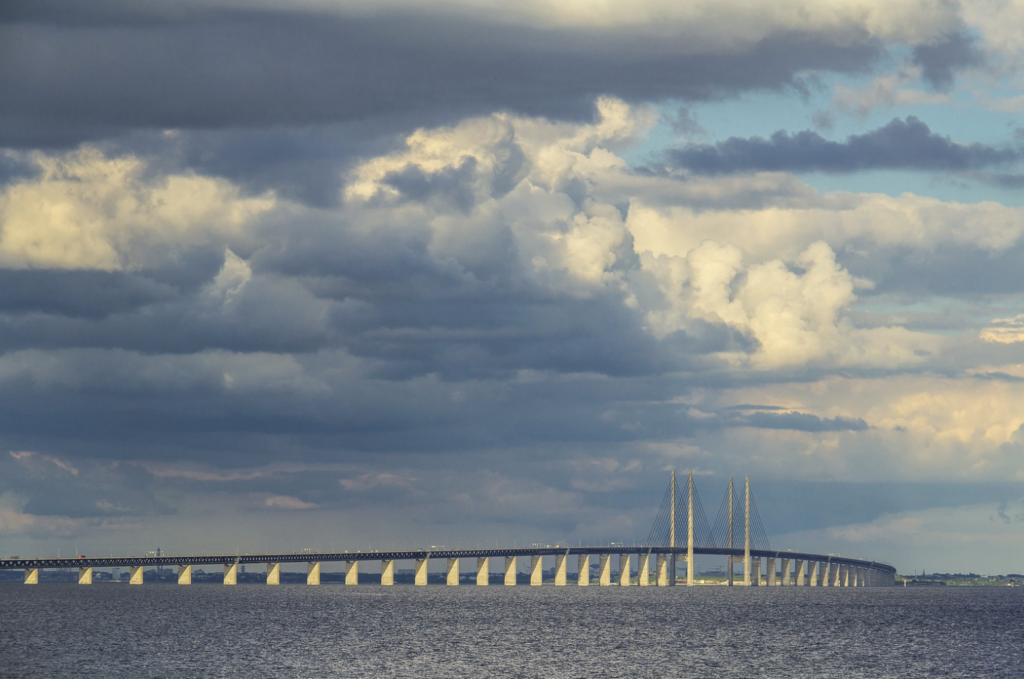
There are certain moments on a road trip when the world seems to widen all at once, as if the landscape has been quietly gathering itself for something extraordinary. Approaching the Great Belt Bridge is one of those moments. Even before you see it, you feel it — a subtle shift in the air, a faint scent of salt carried inland, the way the horizon begins to open as the land gives way to water. It’s as if Denmark is preparing to reveal one of its most breathtaking gestures.
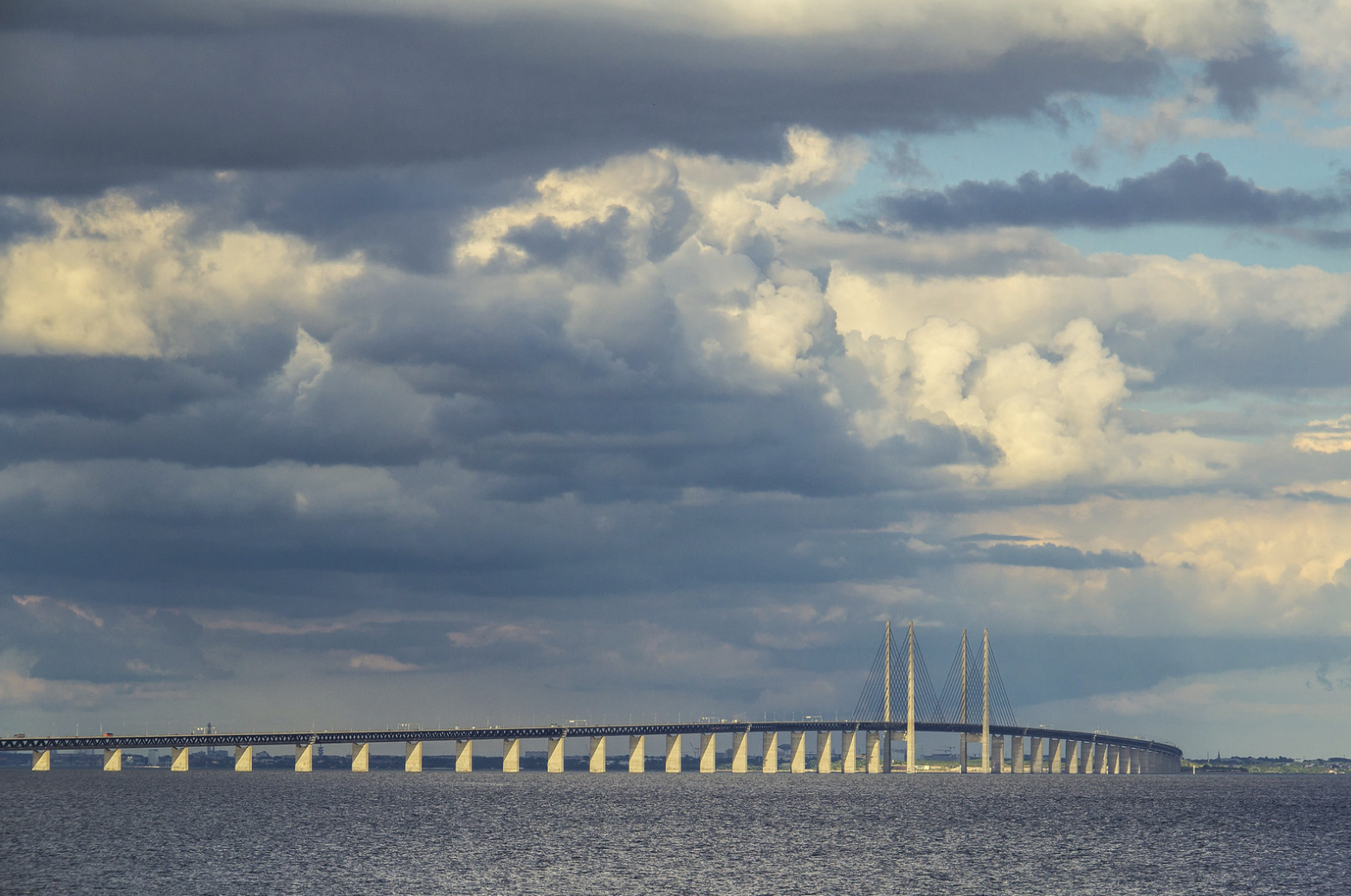
The road curved gently, rising and falling in soft waves, and then, suddenly, the bridge appeared — a long, elegant sweep of steel stretching across the sea. The towers rose like pale giants, their lines clean and impossibly tall, reaching into a sky that had turned a deeper, more luminous blue. For a moment, I simply stared, letting the scale of it settle in. It felt less like infrastructure and more like a piece of architecture designed to make you feel something.
As I approached the entrance, the sea came fully into view — a vast expanse of shimmering blue-green water, flecked with white where the wind brushed its surface. The light danced across it in shifting patterns, as if the sea itself were alive with movement. I rolled down the window, letting the cool, salty air rush in. It carried a freshness that felt almost electric, a reminder that I was crossing into a different part of the world.
Driving onto the bridge felt like lifting off the ground. The road rose steadily, the incline gentle but unmistakable, and soon I was suspended above the water, the land behind me shrinking into the distance. The cables stretched upward in perfect symmetry, their lines converging toward the sky. There was something almost surreal about it — the way the structure framed the horizon, the way the sea stretched endlessly on either side, the way the wind seemed to sing as it swept past.
For a few minutes, the world narrowed to the road, the sky, and the sea. Everything else fell away — the towns, the fields, the quiet rest stops, even Lübeck’s brick towers lingering in memory. It was just me and the bridge and the vastness around us. The car felt small, almost weightless, gliding forward as if carried by the wind. I found myself slowing down slightly, not out of caution but out of reverence. Some places deserve to be savored.
Halfway across, I glanced in the rearview mirror. The western shore was a thin line now, softened by distance, the land dissolving into a haze of blue and green. Ahead, the eastern shore waited — Zealand, the island that holds Copenhagen. The bridge connected more than land; it connected moods, atmospheres, entire ways of being. It felt like crossing a threshold.
As the road began its gentle descent, the sea gradually gave way to coastline. The land rose up again, dotted with clusters of houses, patches of forest, and the occasional church spire. The light shifted once more, taking on that soft, golden quality that northern afternoons often have — warm but not heavy, bright but not harsh. It felt like the day was settling into itself, preparing for its final act.
Once back on solid ground, the highway carried me eastward, the landscape unfolding in a series of quiet, cinematic scenes. Rolling fields. Small lakes catching the sunlight. Villages with red‑roofed houses and tidy gardens. Denmark has a way of being understated yet deeply beautiful, a place where simplicity feels intentional, almost curated.
Traffic grew a little denser as I approached the outskirts of Copenhagen, but even then, the flow felt calm, almost choreographed. Danish drivers have a kind of quiet courtesy that makes the road feel less like a battleground and more like a shared space. The signs grew more frequent, pointing toward København, toward the city that had been the destination all along.
As I drew closer, the architecture began to shift — modern buildings with clean lines, glass facades catching the afternoon light, hints of the city’s blend of old and new. Bicycles appeared in increasing numbers, gliding along dedicated lanes with the effortless grace that Copenhagen is famous for. The air felt different too — a little saltier, a little brighter, carrying the hum of a city that moves at its own deliberate pace.
Crossing into Copenhagen proper felt like slipping into a different rhythm. The streets were wide and orderly, the buildings elegant without being ostentatious. There was a sense of openness, of space, even in the more urban areas. It was as if the city had been designed to breathe.
I found parking near the center and turned off the engine. For a moment, I just sat there, letting the silence settle around me. The journey from Hamburg — the soft morning light, the quiet charm of Lübeck, the open northern roads, the crystalline air of Denmark, the vast sweep of the Great Belt Bridge — all of it seemed to gather in that pause. A kind of stillness, a sense of arrival.
When I finally stepped out of the car, the city greeted me with a gentle breeze and the distant sound of bicycle bells. The light was warm, the sky a soft gradient of blue and gold. Copenhagen felt both new and familiar, a place I had been moving toward not just in distance but in mood.
The final stretch of the journey was complete, but the day still had more to offer — the first impressions, the first steps, the first taste of the city’s quiet magic. And as I walked toward the heart of Copenhagen, I felt the road behind me settle into memory, each part of it a thread woven into the story of the day.
First Impressions of Copenhagen
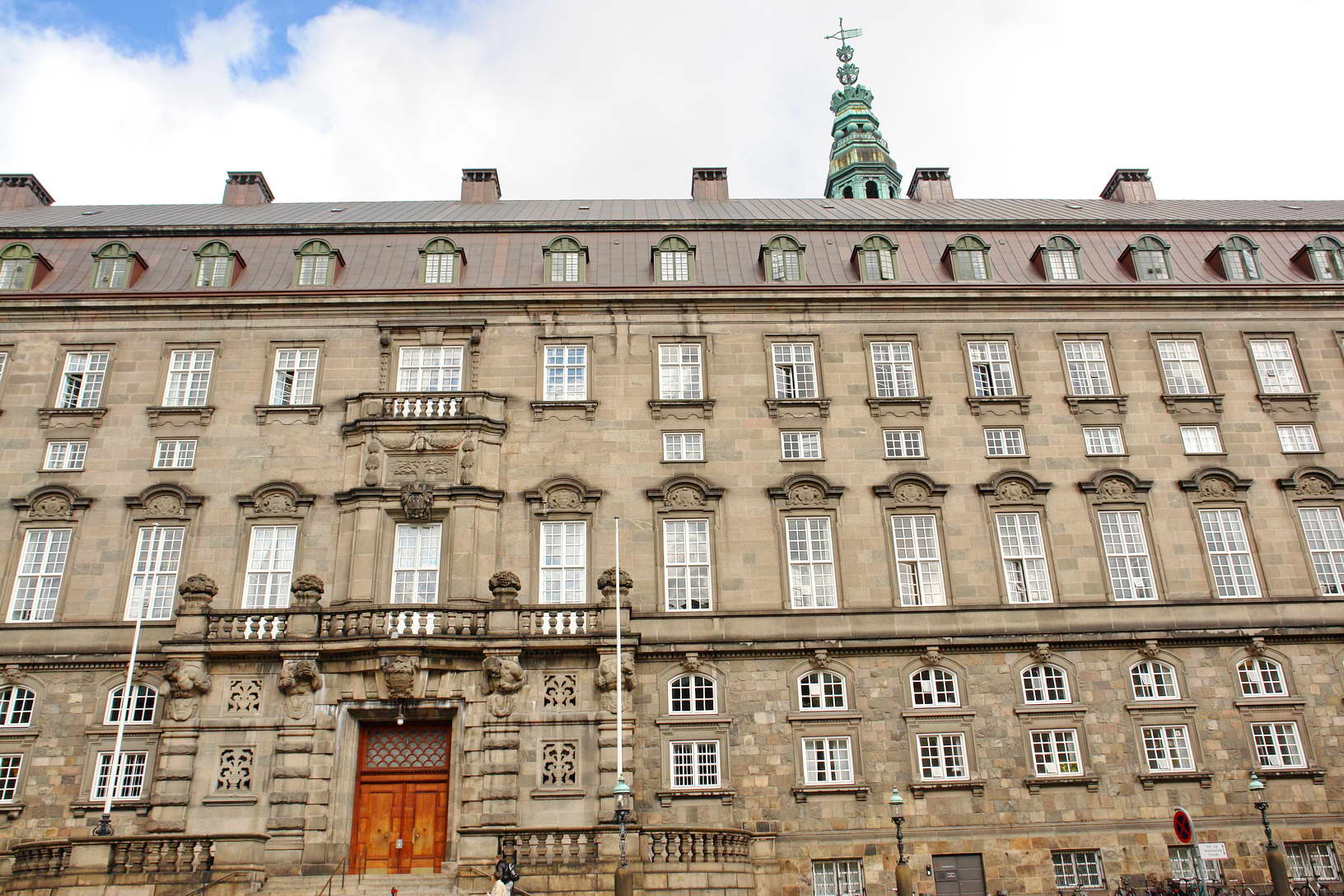
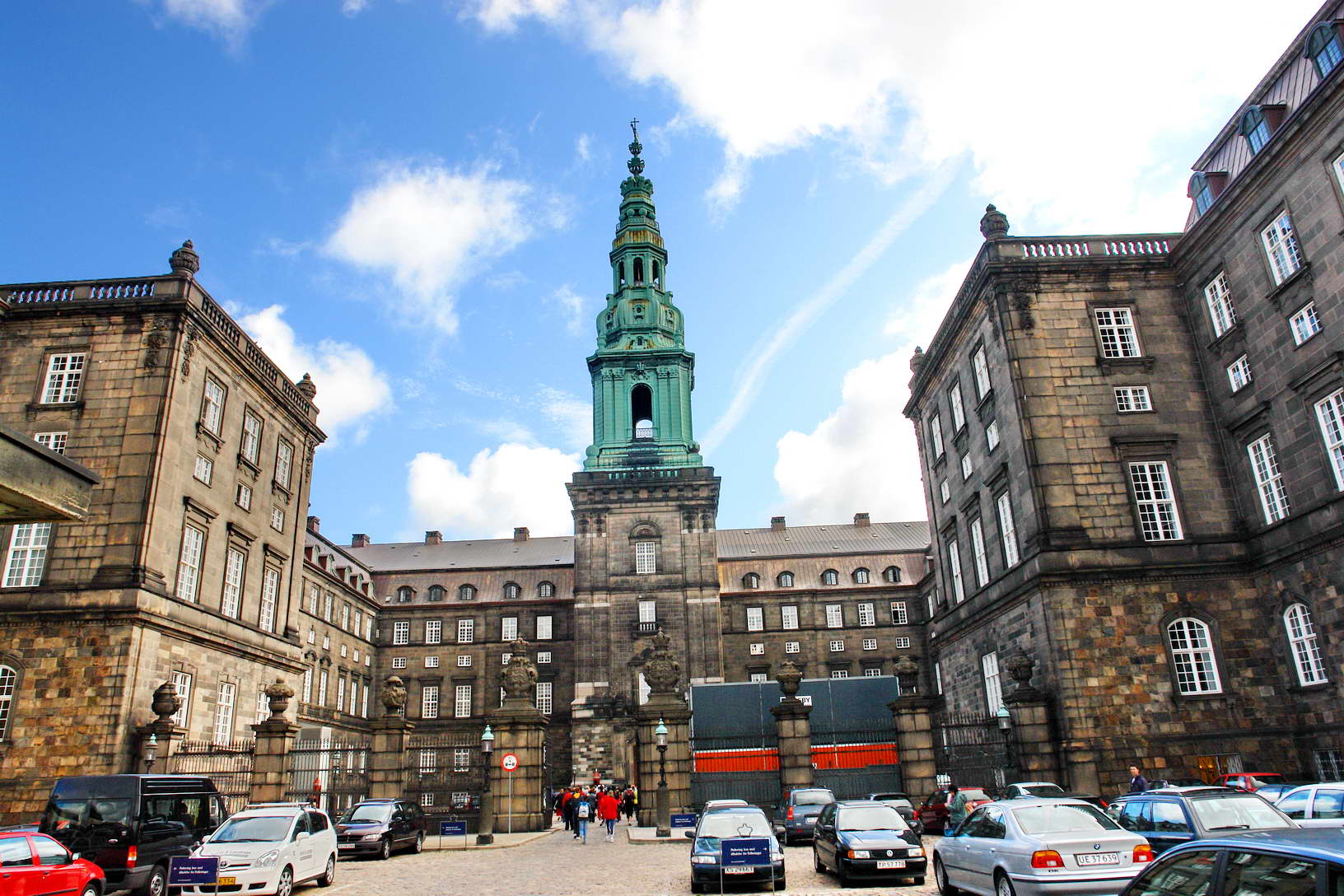
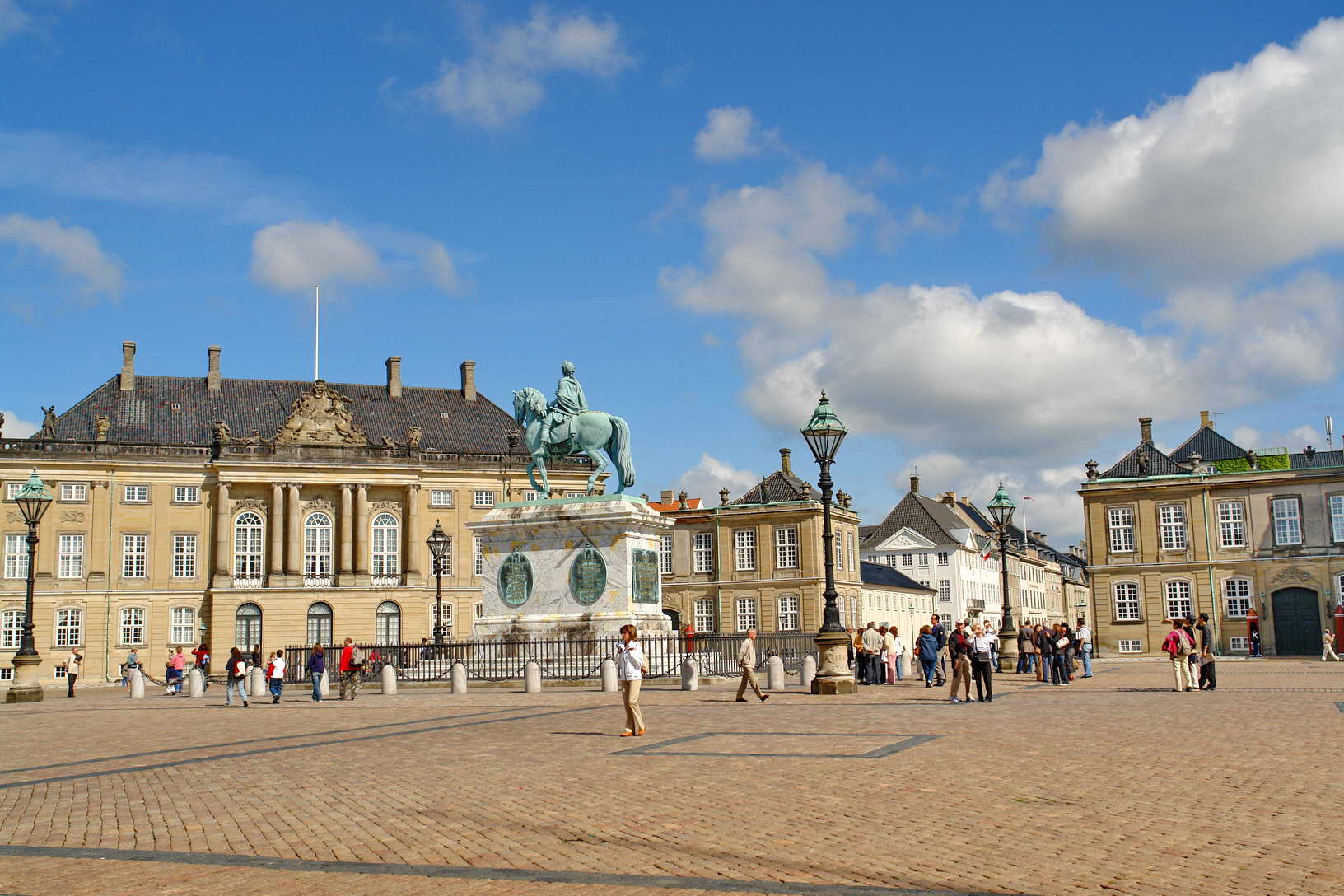
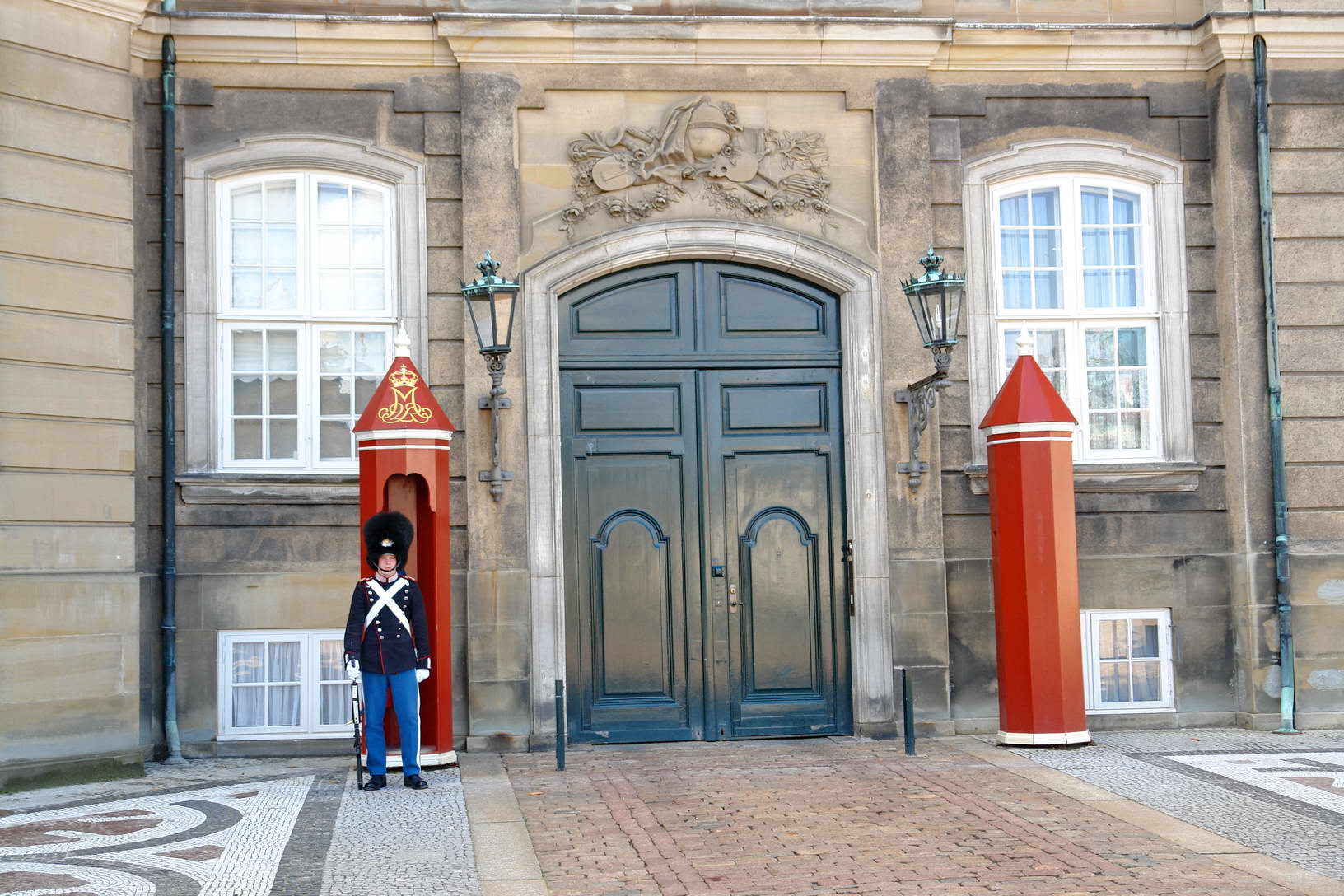
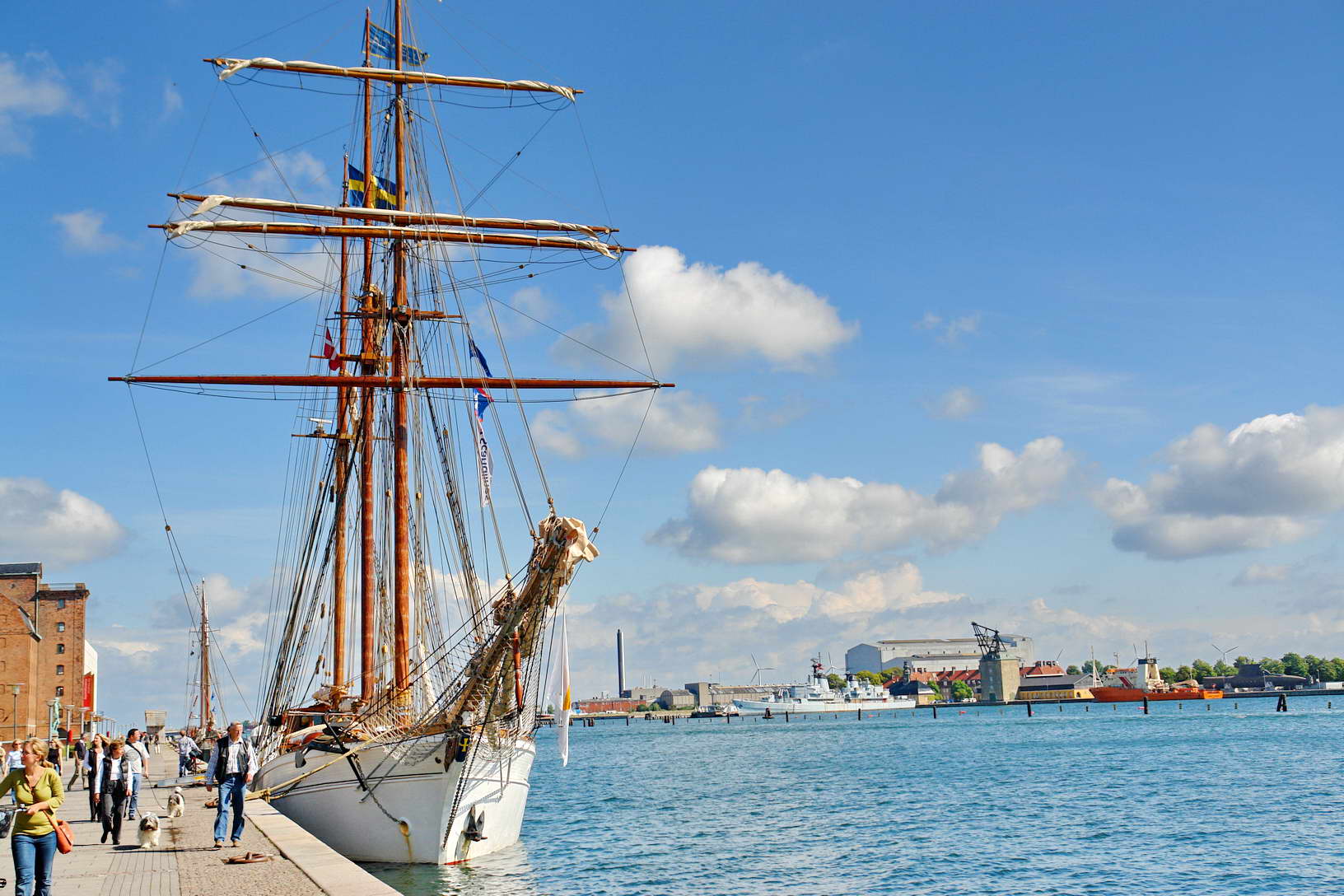
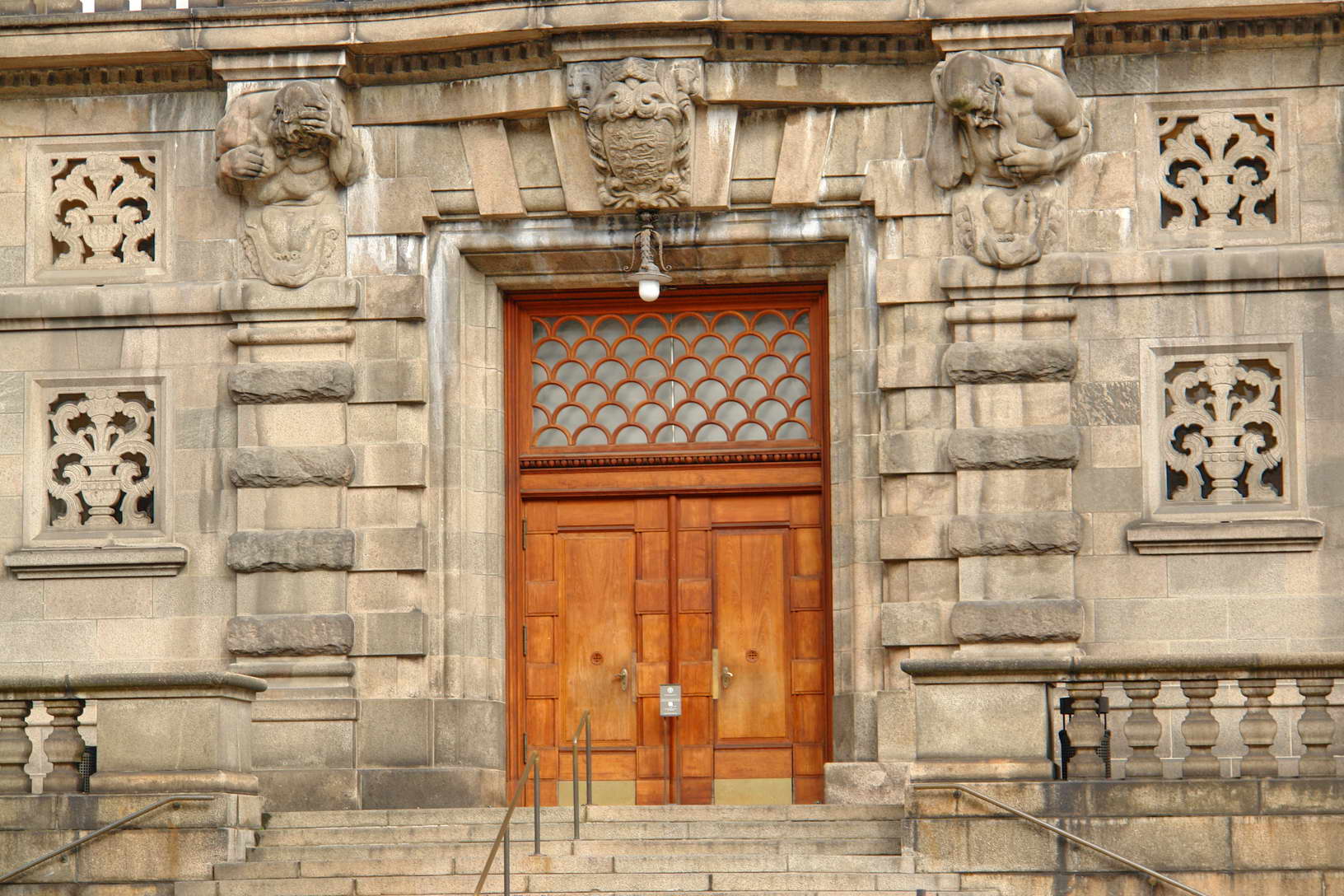
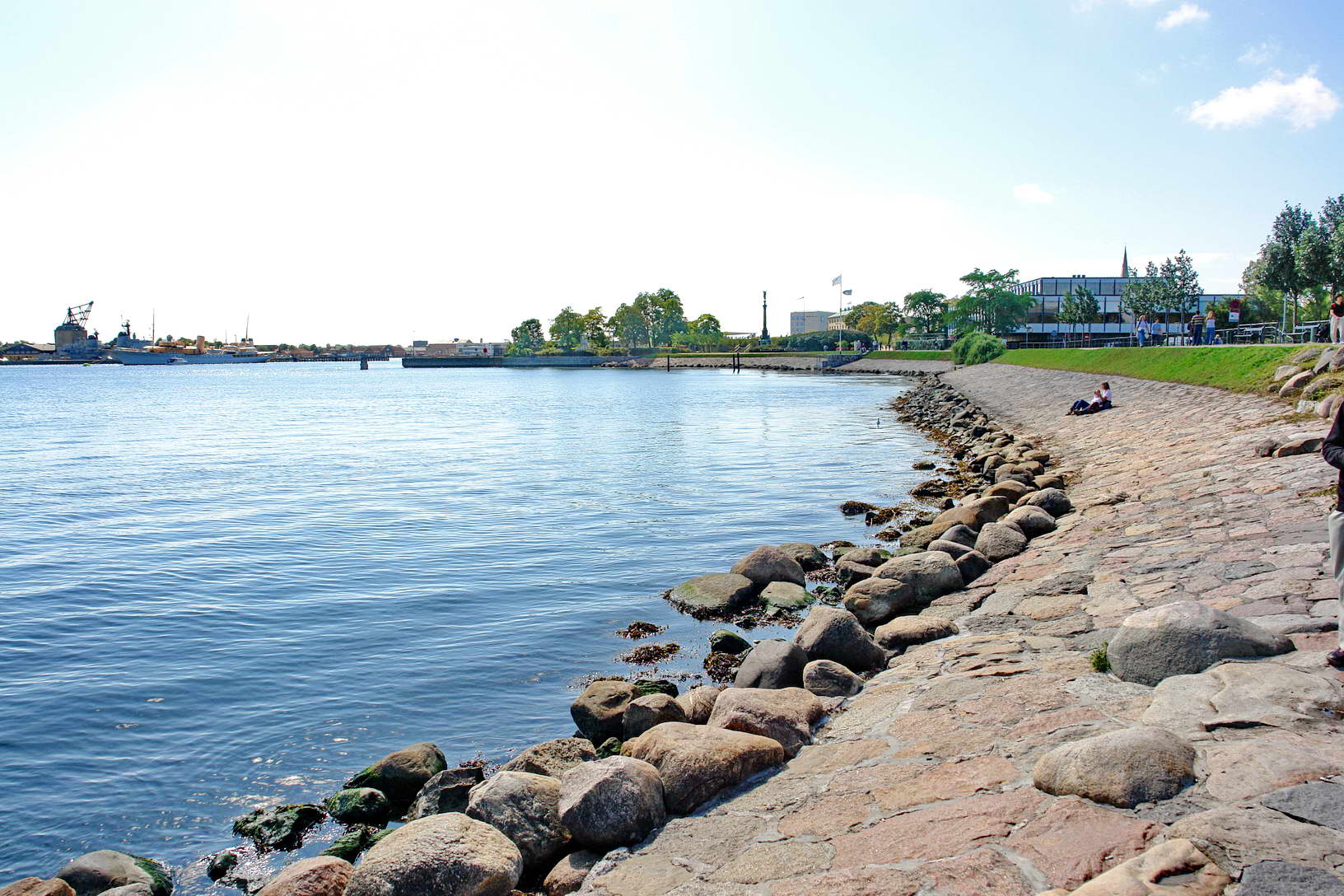
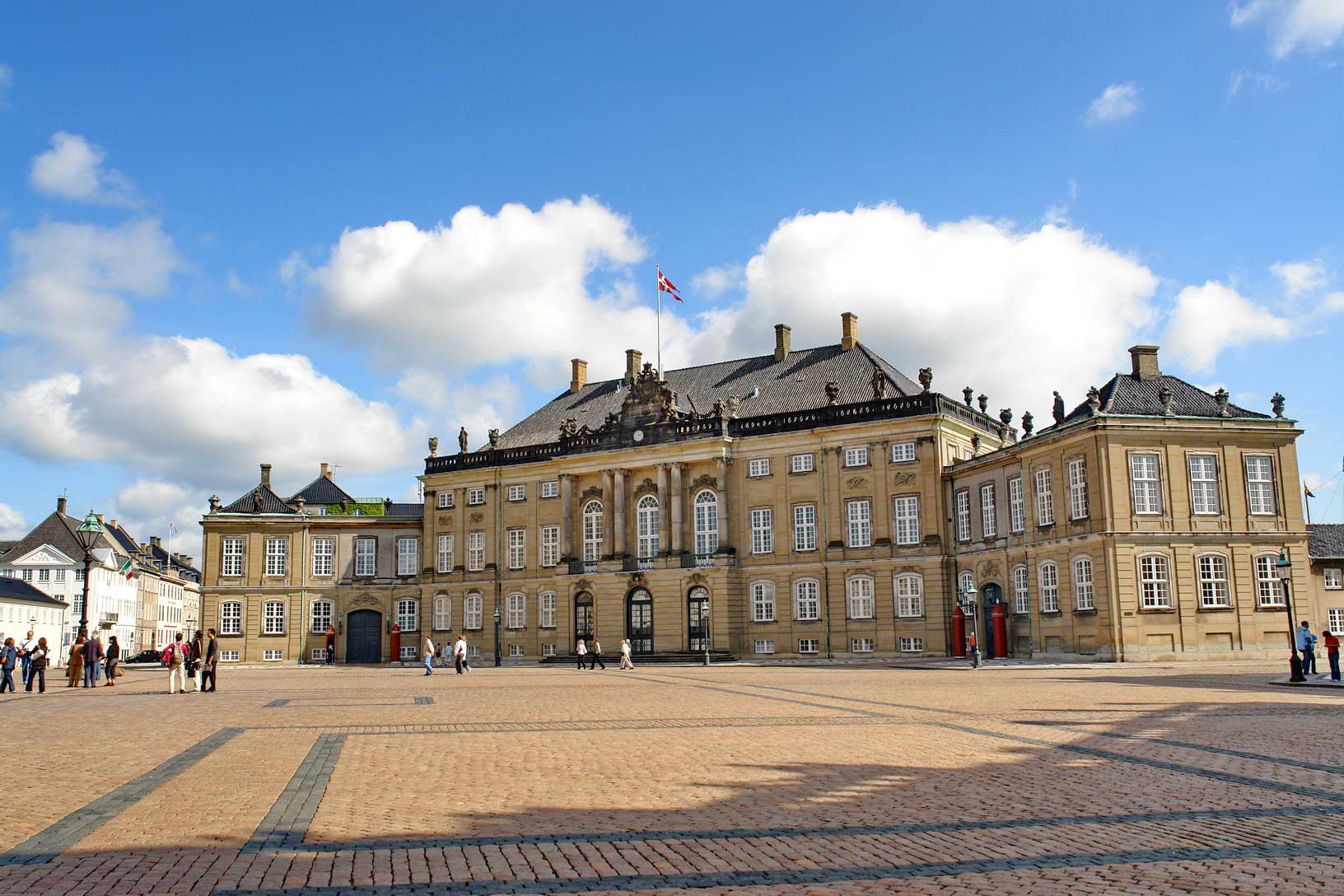
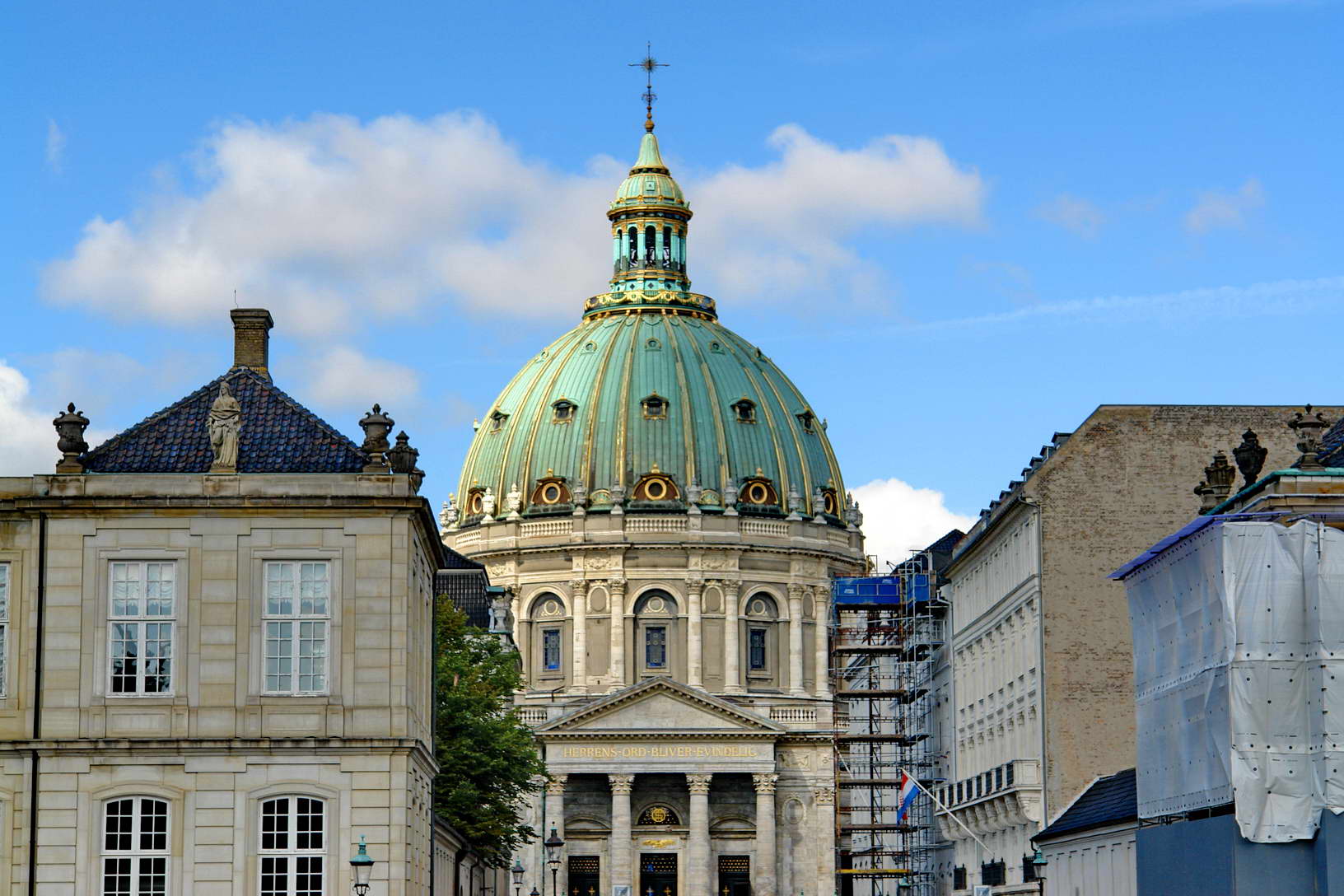
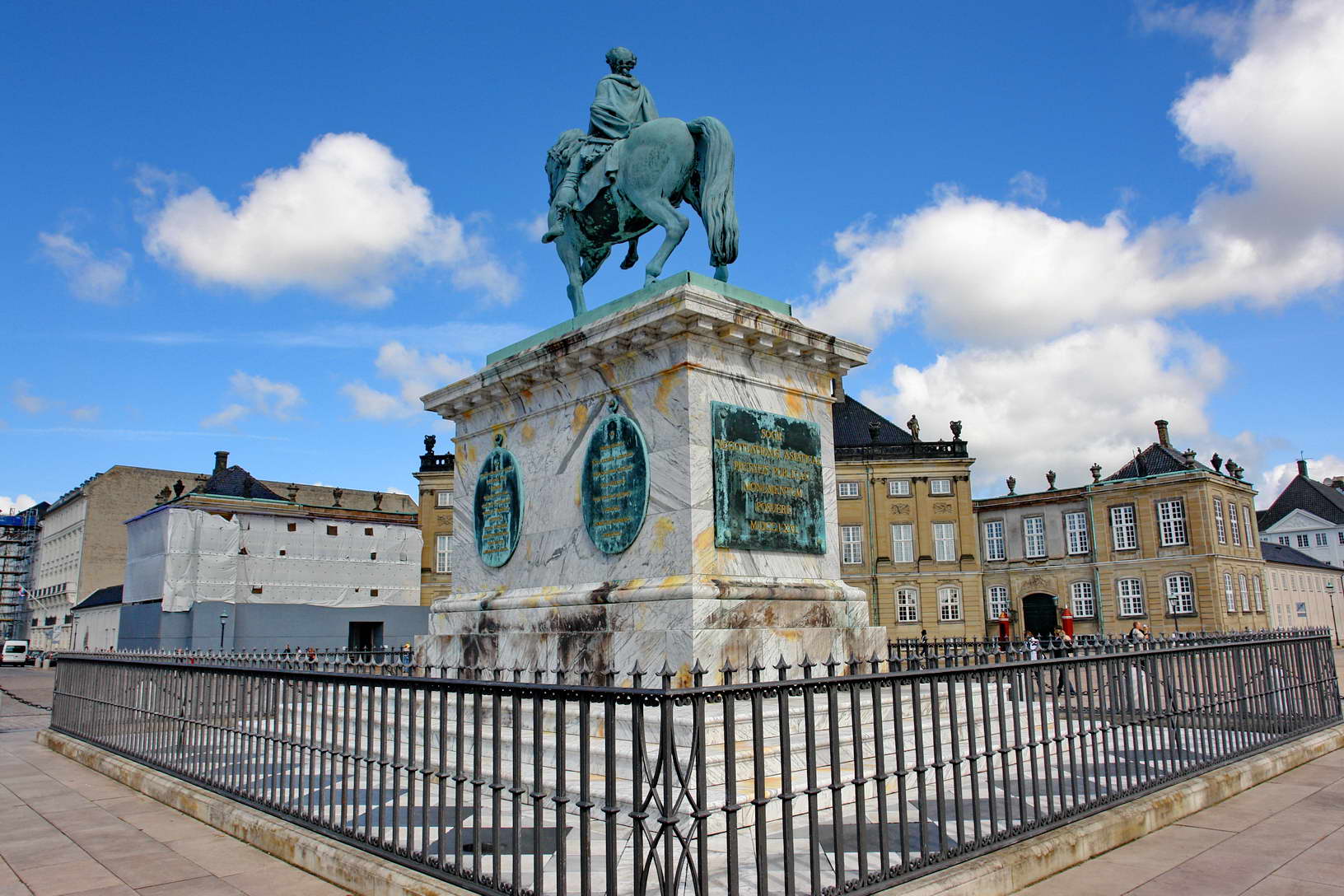
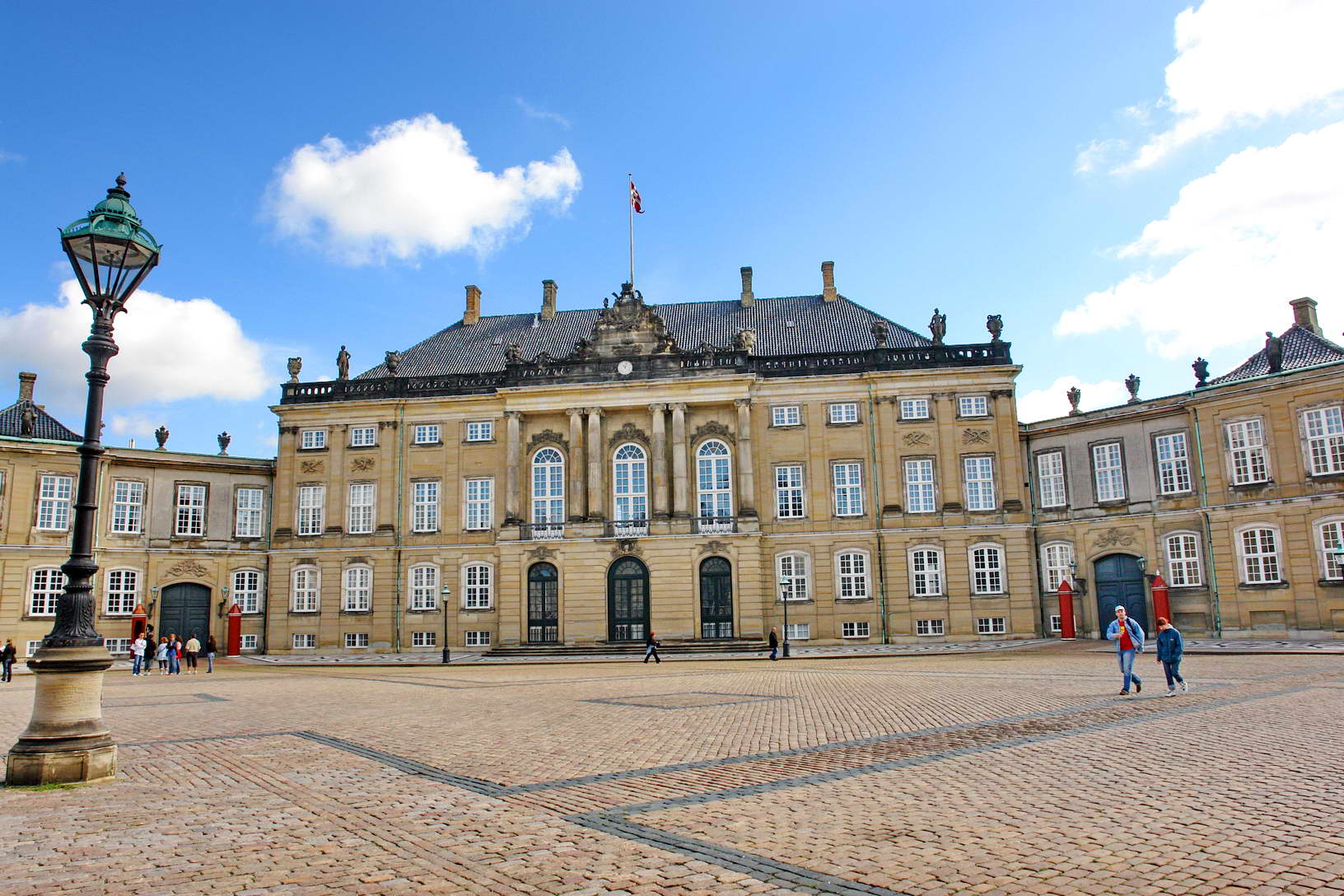
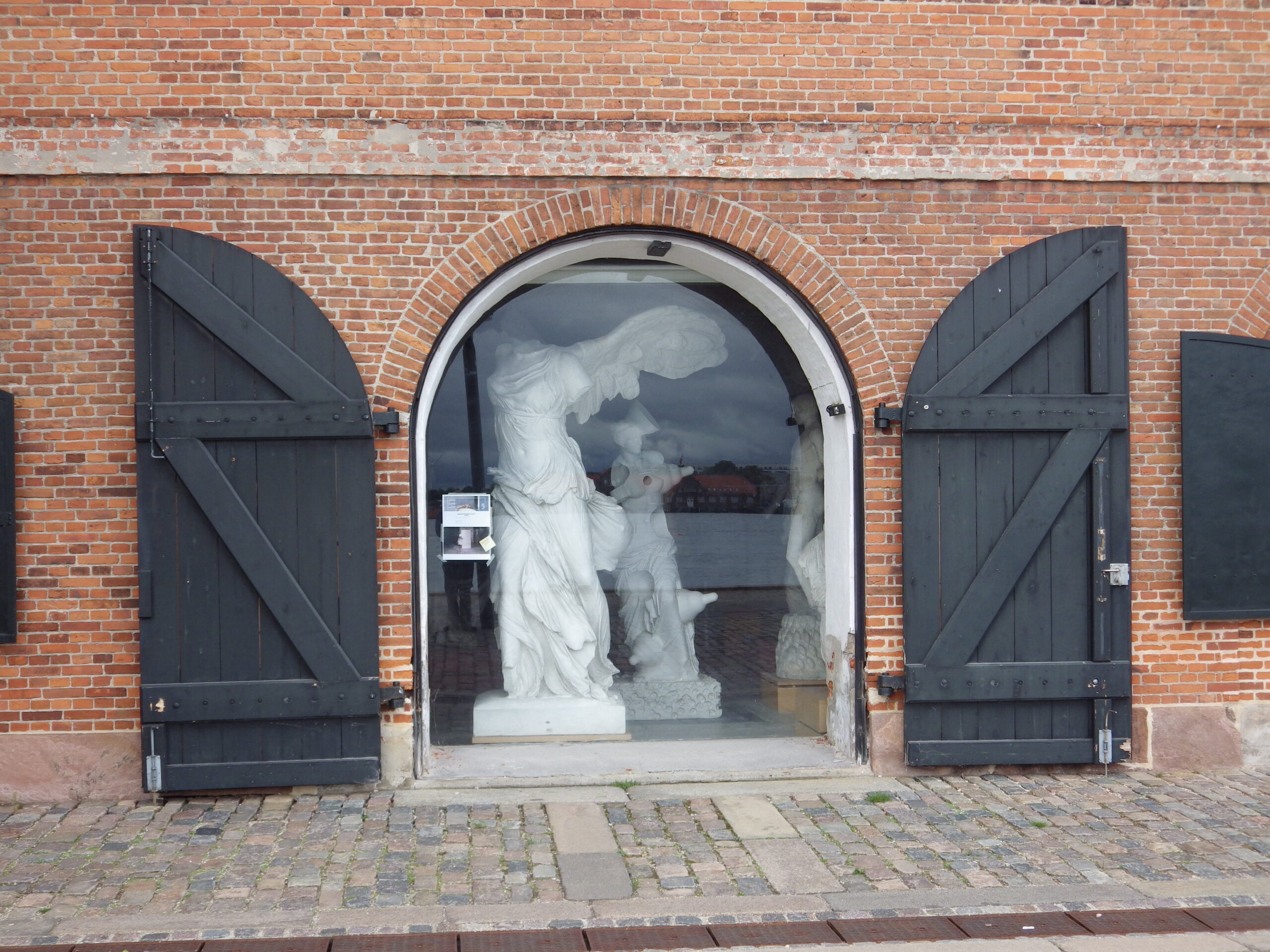
Stepping out of the car in Copenhagen felt like stepping into a different kind of quiet — not the rural stillness of the Danish countryside, nor the soft morning hush of Hamburg, but a calm that belonged uniquely to the city itself. It was the quiet of a place that moves with intention, a place that breathes at its own pace. The air was cool and bright, carrying the faint scent of the sea and something warm and comforting drifting from a nearby bakery. It was the kind of welcome that doesn’t announce itself, but settles around you like a soft coat.
The first thing I noticed was the light. Copenhagen has a way of catching sunlight and turning it into something almost tactile. It doesn’t blaze or overwhelm; it glows. It reflects off the pale façades of buildings, dances across the canals, and settles gently on the cobblestones. Even the shadows feel softer here, as if the city has decided that harshness has no place in its streets.
I took a moment before walking away from the car, letting the city’s rhythm wash over me. Bicycles glided past in a steady stream, their riders moving with a kind of effortless grace. There was no rush, no frantic weaving, no honking horns. Just a quiet choreography of wheels and motion. It struck me how natural it all seemed — as if the city had been designed around the idea that movement should be peaceful, not chaotic.
As I began to walk, the sounds of Copenhagen unfolded around me. The soft click of bicycle gears. The distant hum of a bus. The murmur of conversations drifting from open café doors. A gull calling somewhere overhead. It was a symphony of small sounds, each one gentle, each one adding to the sense that the city was alive but unhurried.
The streets were wide and clean, lined with buildings that seemed to balance history and modernity with effortless elegance. Some were tall and stately, with ornate details and muted colors; others were sleek and minimalist, all glass and clean lines. Yet nothing felt out of place. Copenhagen has a way of blending eras without forcing them together. It’s as if the city understands that beauty comes from harmony, not uniformity.
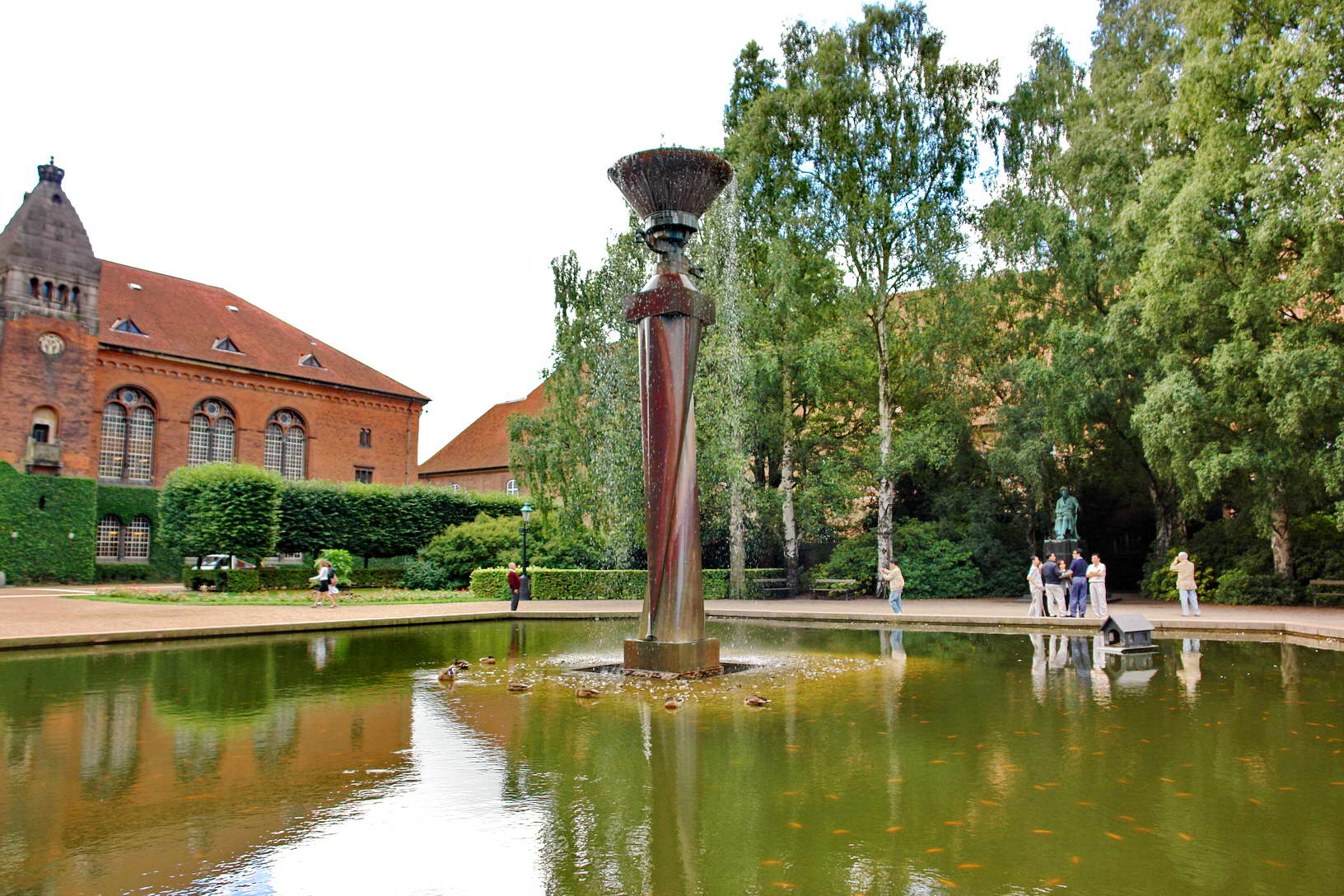
I wandered without a destination, letting curiosity guide me. A narrow side street caught my eye — cobblestones, ivy climbing up the walls, a row of bicycles leaning casually against a railing. I followed it and found myself in a small square where sunlight pooled like warm honey. A fountain trickled softly in the center, and a few people sat on benches, reading or talking quietly. It felt like stumbling into a secret pocket of calm.
From there, I drifted toward the canals. The water was a deep, reflective blue, rippling gently as boats moved slowly through it. The buildings along the water’s edge stood tall and colorful, their reflections shimmering like brushstrokes on a canvas. Copenhagen’s relationship with water is intimate — the canals aren’t just features of the city; they’re part of its heartbeat. Standing there, watching the light play across the surface, I felt a sense of ease settle into my bones.
I crossed a small bridge and found myself on a street lined with cafés and bakeries. The smell of fresh bread and roasted coffee beans drifted through the air, warm and inviting. My stomach reminded me that it had been a long time since Lübeck’s marzipan cake, so I stepped into a café with wide windows and soft wooden interiors. The space was filled with natural light, the kind that makes everything look a little more beautiful.
I ordered a coffee and sat by the window, watching the world outside. People passed by in a steady flow — some walking briskly, others strolling, many on bicycles. There was a sense of balance in the way they moved, as if the city itself encouraged a certain kind of grace. Even the traffic seemed to glide rather than rush.
As I sipped my coffee, I felt the weight of the journey settle into something warm and satisfying. The road from Hamburg had been long, but it had unfolded in a way that made each part feel meaningful — the soft morning light, the quiet charm of Lübeck, the open northern roads, the crystalline air of Denmark, the vast sweep of the Great Belt Bridge. And now, here I was, in a city that felt both new and strangely familiar.
Copenhagen didn’t overwhelm me with its presence. It didn’t demand attention or try to impress. Instead, it invited me in gently, offering small moments of beauty, quiet corners, and a rhythm that felt like a deep breath. It was a city that seemed to understand the value of calm, of space, of light.
As I finished my coffee and stepped back onto the street, I felt a sense of anticipation — not the rushed kind, but the slow, unfolding kind that comes when you know a place has more to reveal. The day was far from over, and the city was waiting, its canals shimmering, its streets humming softly, its light shifting toward the warm glow of late afternoon.
Ending the Day by the Water
By the time I made my way toward the water, the light in Copenhagen had shifted into that golden, late‑afternoon glow that feels almost unreal — as if the city has been dipped in warm honey. The sun hung low, casting long shadows that stretched across the cobblestones and shimmered on the surface of the canals. It was the kind of light that makes everything look softer, more forgiving, as though the day itself is offering a gentle closing gesture.
I walked without any particular direction, letting the city guide me. Copenhagen has a way of leading you toward the water, almost as if it knows that’s where you need to be. The streets narrowed, then opened again, revealing glimpses of blue between buildings. The sound of gulls drifted through the air, mingling with the soft hum of bicycle wheels and the distant murmur of conversations. The city felt alive but unhurried, as if it were settling into its evening rhythm.
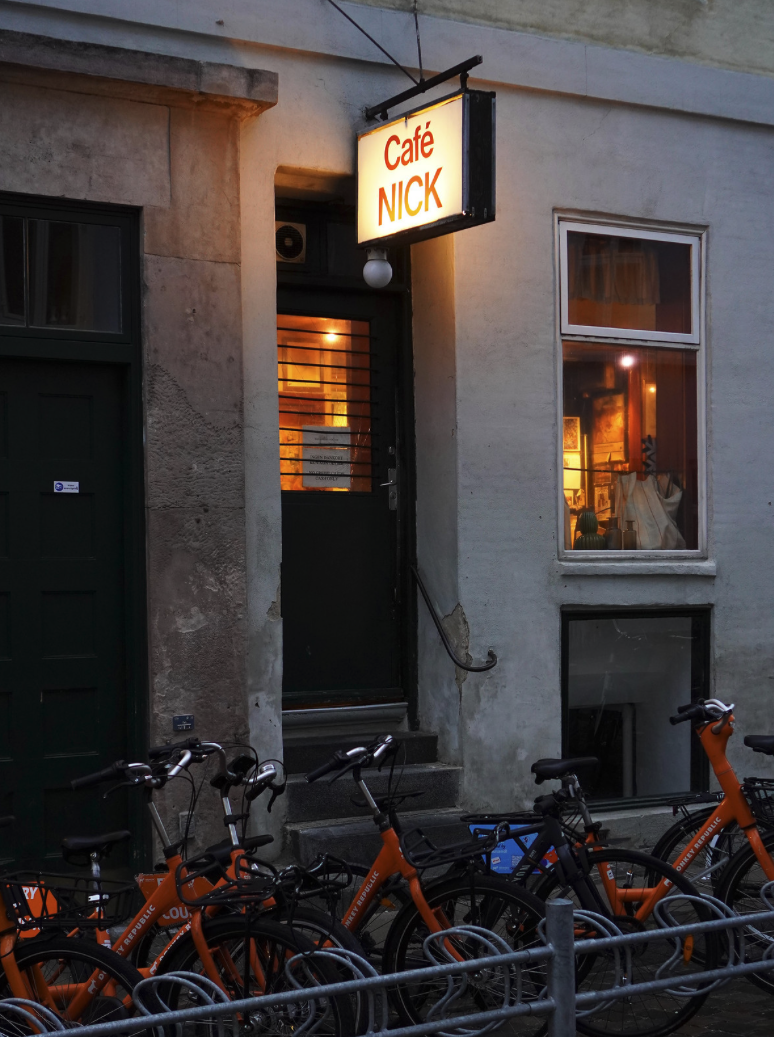
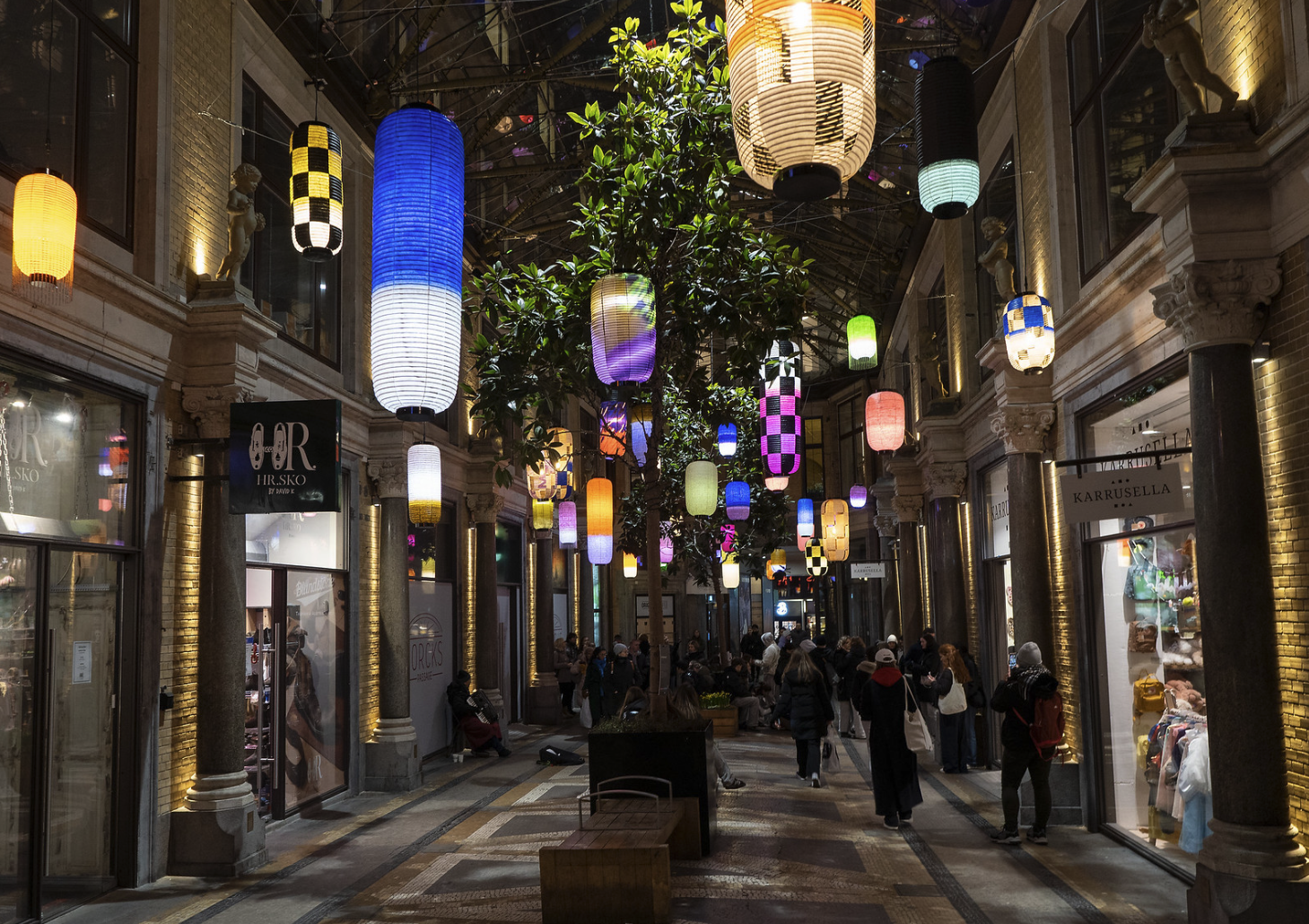
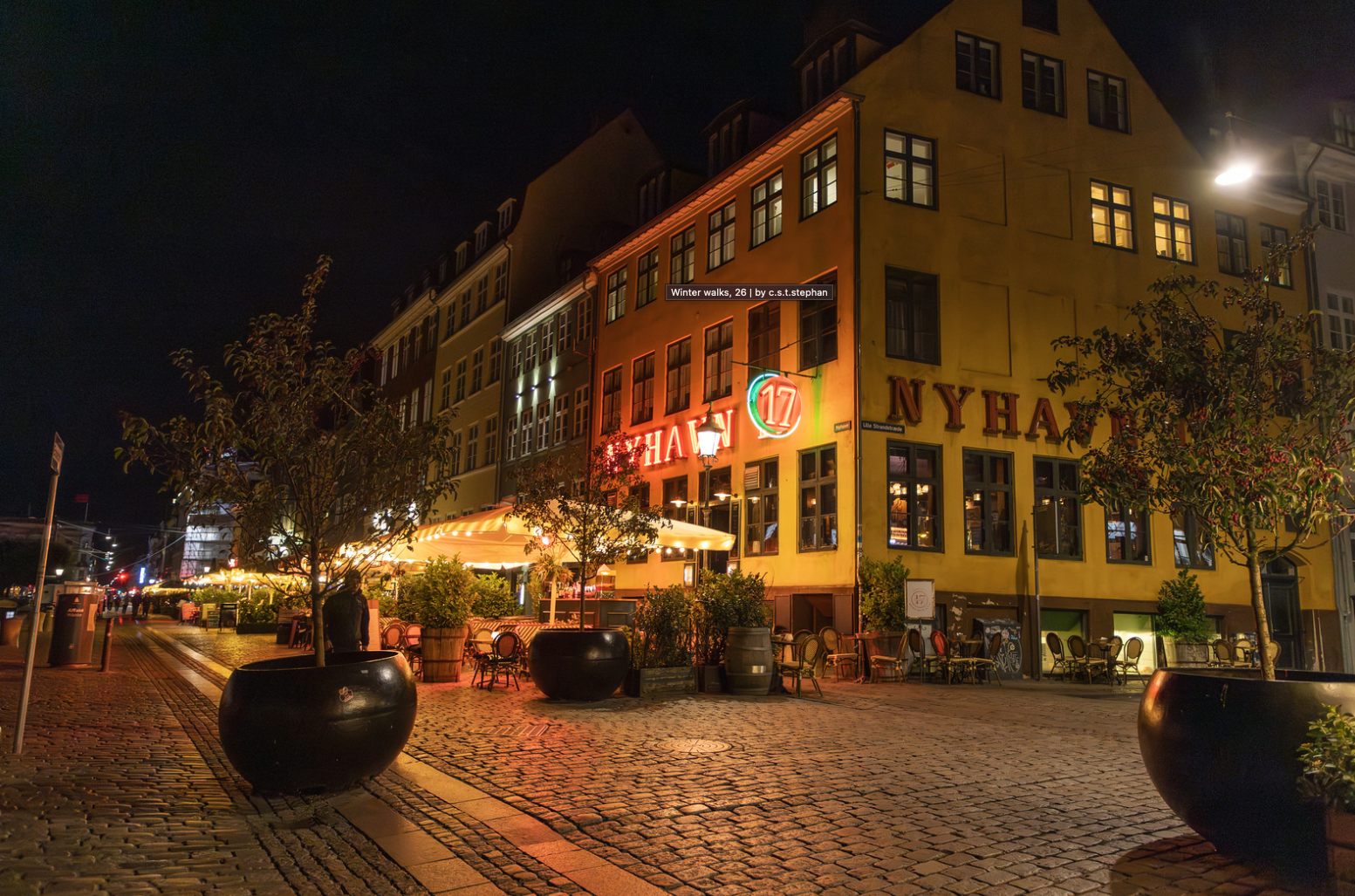
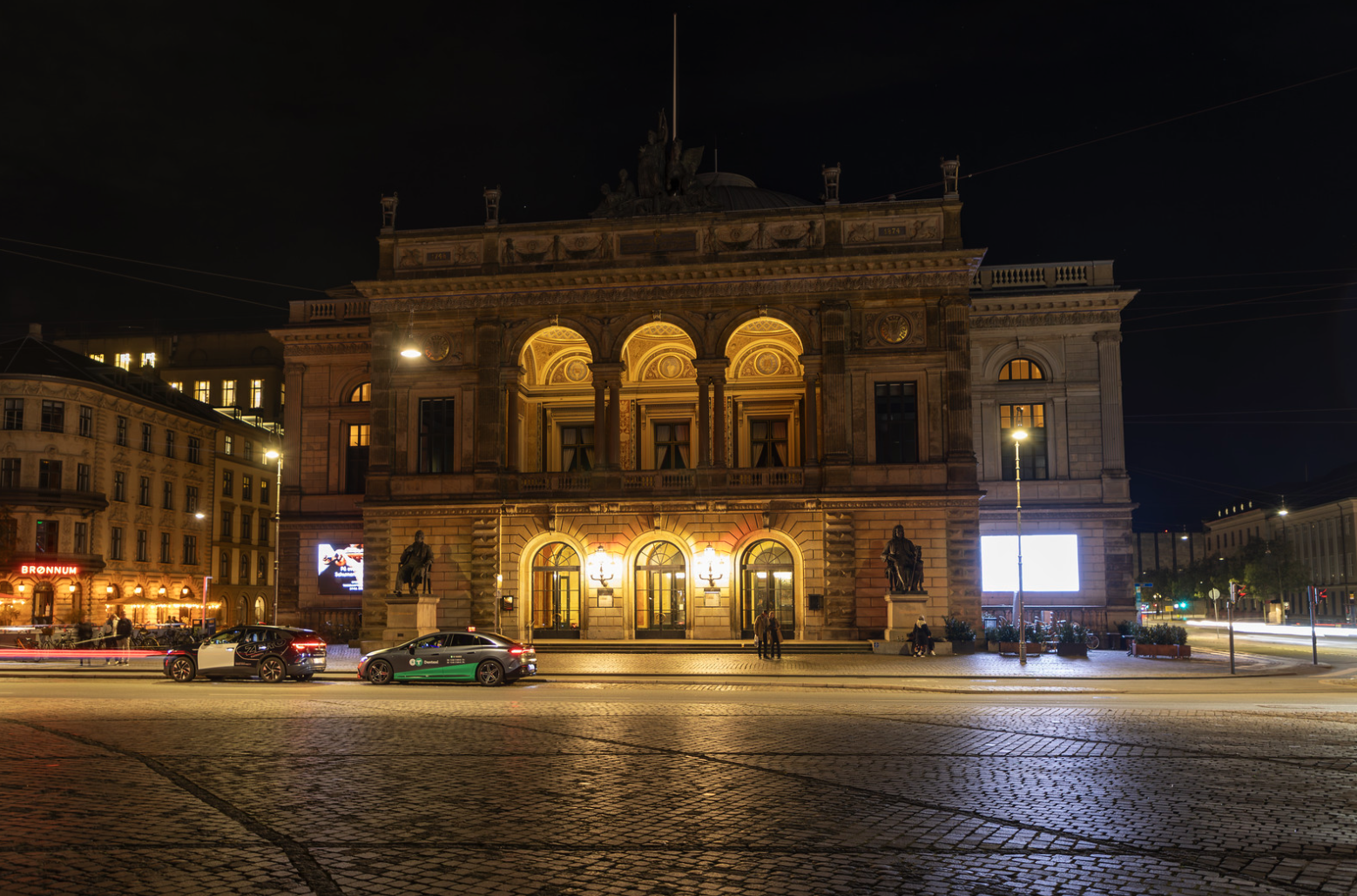
When I reached the harbor, the view opened wide — a vast expanse of water catching the last of the day’s light, turning it into a shimmering mosaic of gold and silver. Boats rocked gently at their moorings, their reflections rippling in the water like brushstrokes. The air carried a coolness that hinted at the coming night, but it wasn’t cold; it was refreshing, the kind of cool that wakes you up just enough to feel present.
I found a spot along the edge of the harbor — a simple stone ledge where people often sit, legs dangling over the water. I lowered myself onto it, feeling the solidness of the stone beneath me, the faint warmth it had absorbed from the sun. The water below lapped softly against the wall, a rhythmic, soothing sound that seemed to sync with my breathing.
For a while, I didn’t think about anything. I just watched. The way the light shifted from gold to amber to a soft, dusky pink. The way the boats moved with the tide, rising and falling in slow, gentle arcs. The way the city seemed to glow from within, its buildings catching the last light like lanterns. It was a moment suspended in time, a quiet pause at the end of a long, unfolding journey.
As the sun dipped lower, the sky transformed into a gradient of colors — pale orange near the horizon, fading into lavender, then deepening into a soft blue. The first lights flickered on across the harbor, reflecting in the water like scattered stars. People walked past in small groups, their voices low and warm, their silhouettes outlined against the glowing sky. Some sat nearby, sharing a drink or simply watching the evening settle in. There was a sense of shared stillness, a collective exhale.
I thought back to the morning in Hamburg — the cool air, the soft light, the quiet anticipation. It felt like a lifetime ago and also like it had happened just moments earlier. The road between the two cities had been long, but it hadn’t felt like a stretch to endure. It had felt like a story unfolding, each part adding its own texture, its own color. Lübeck’s medieval charm. The open northern roads. The crystalline air of Denmark. The vast sweep of the Great Belt Bridge. And now, this — the calm, glowing embrace of Copenhagen at dusk.
There’s something about ending a day by the water that feels right, especially after a journey. Water has a way of holding light, of reflecting the world back to you in softened, shimmering forms. It invites contemplation without demanding it. Sitting there, watching the sky darken and the city lights brighten, I felt a sense of completion — not the end of something, but the settling of it.
As evening deepened, the temperature dropped slightly, and I pulled my jacket a little tighter around me. The city’s sounds shifted — fewer bicycles, more footsteps, the occasional clink of glasses from nearby restaurants. The harbor took on a quieter tone, the water darkening to a deep blue, the reflections becoming sharper, more defined. It was beautiful in a different way now — less golden, more serene.
I stayed until the last traces of daylight faded, until the sky became a deep, velvety blue and the city lights shimmered like constellations on the water. When I finally stood up, my legs stiff from sitting, I felt a gentle ache — the kind that comes from a day well spent, from miles traveled, from moments absorbed fully.
Walking back through the city, the streets felt different — softer, quieter, wrapped in the calm of evening. Copenhagen at night has its own kind of magic, subtle and understated, like a whispered promise. The journey had brought me here, to this moment, to this feeling of quiet contentment.
By the time I reached my accommodation, the city had settled into its nighttime rhythm. I paused at the door, taking one last look at the street — the warm glow of windows, the soft hum of distant voices, the cool night air brushing against my skin. It felt like the perfect ending to a day that had unfolded with such gentle beauty.
The road from Hamburg had carried me through morning light, through history, through open landscapes and sweeping bridges, and finally into the soft embrace of Copenhagen’s evening. And as I stepped inside, I felt grateful — for the journey, for the stillness, for the way the world can feel both vast and intimate in the span of a single day.