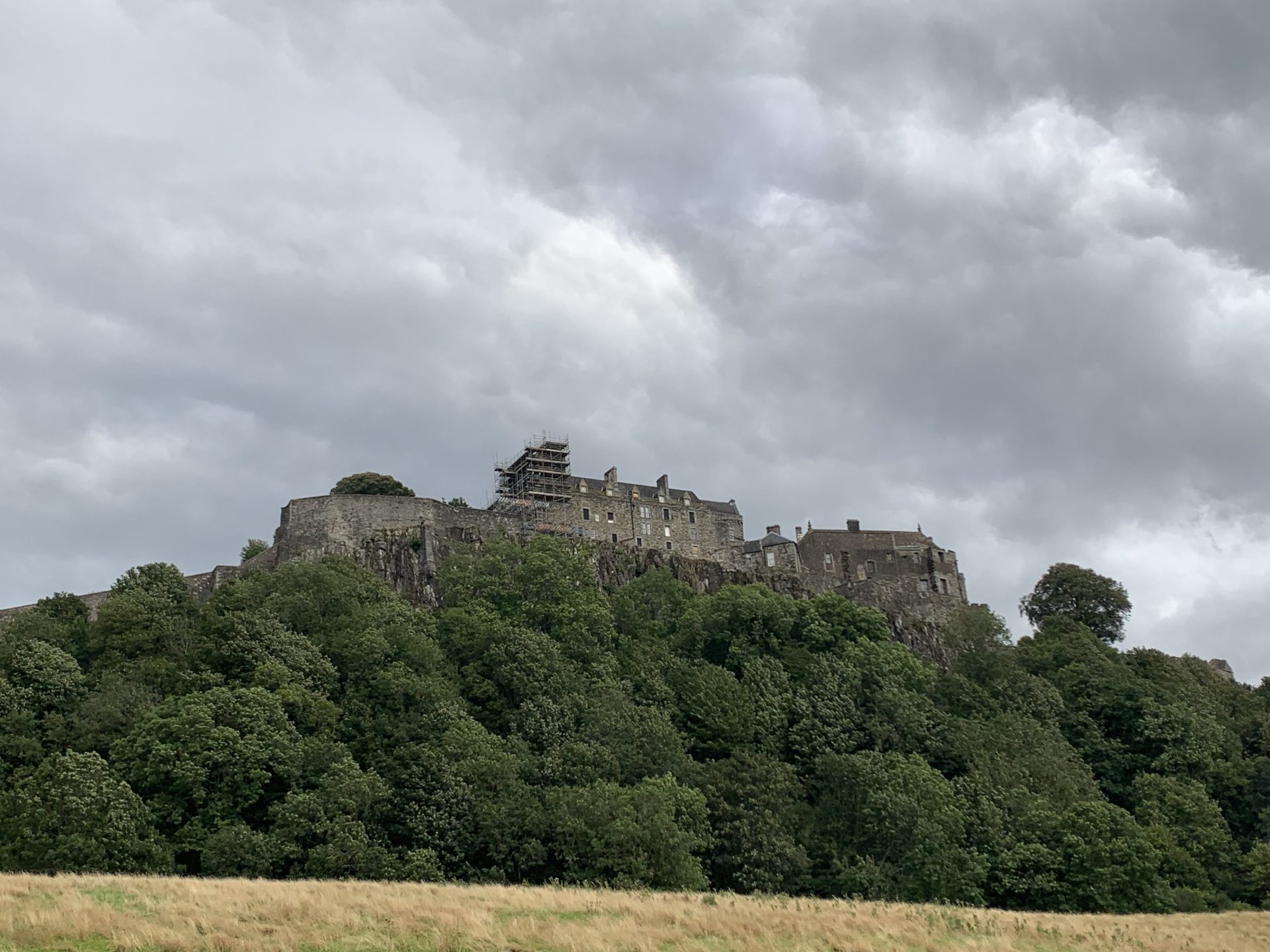

Stirling isn’t just a city—it’s a crucible of Scottish history. Nestled between the Lowlands and Highlands, it has long been the gateway to the north and the beating heart of Scotland’s fight for independence. From the ramparts of Stirling Castle to the solemn stones of the Church of the Holy Rude, from the towering Wallace Monument to the echoes of battle on Stirling Bridge, this city offers a vivid tapestry of courage, faith, and national pride.
🏰 Stirling Castle: Crown and Conflict
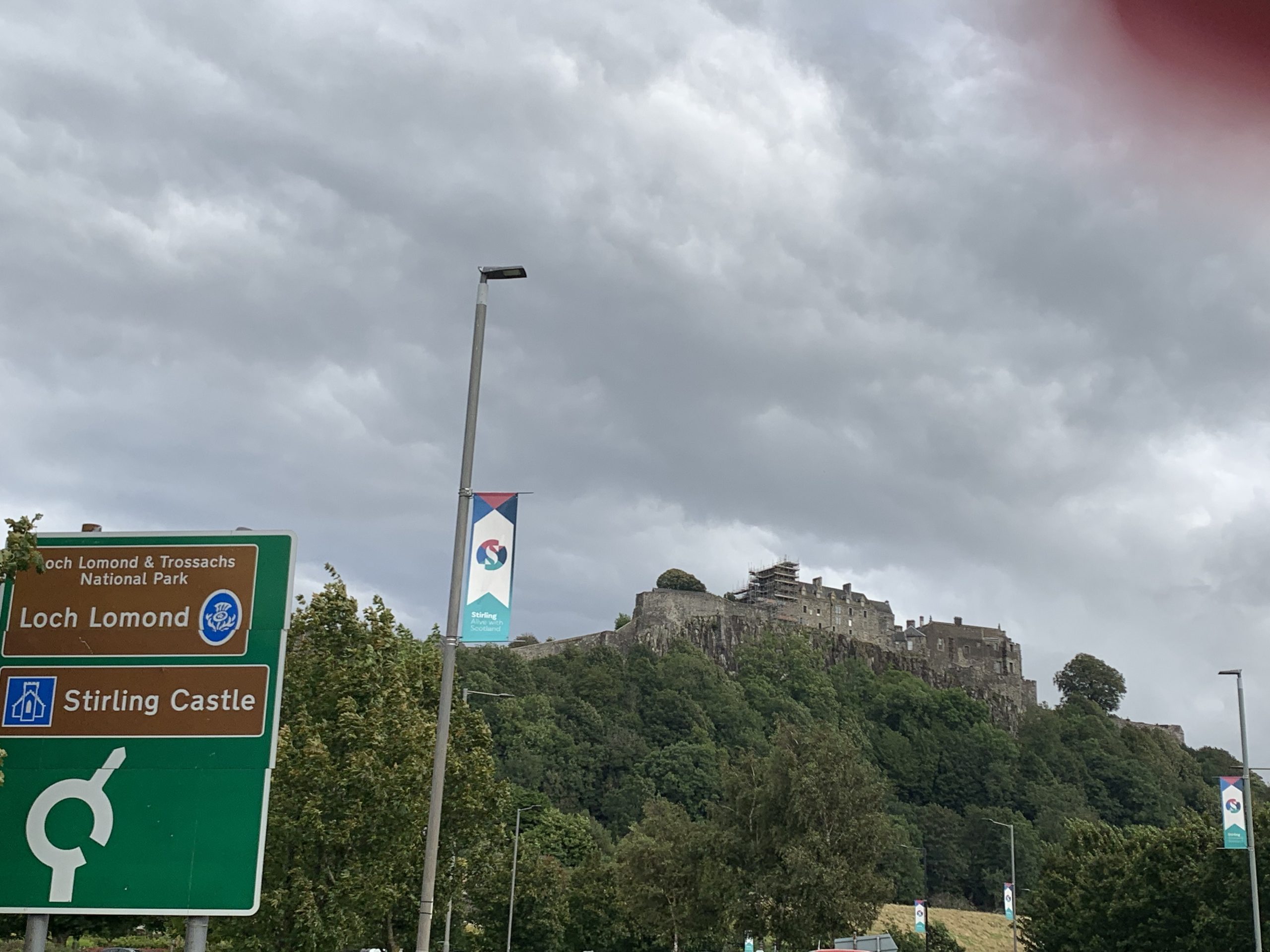
Perched atop Castle Hill, Stirling Castle commands sweeping views of the River Forth and the surrounding countryside. It was once the favored residence of the Stewart monarchs and played a pivotal role in Scotland’s royal and military history.
Key highlights:
- Mary, Queen of Scots was crowned here in 1543, just nine months old, in the castle’s Chapel Royal.
- The Great Hall, restored to its 16th-century glory, was the largest of its kind in Scotland.
- The Royal Palace showcases Renaissance architecture and the Stirling Heads—intricately carved oak portraits of kings, queens, and mythical figures.
- The castle’s strategic location made it a focal point during the Wars of Independence and later Jacobite conflicts.
Today, Stirling Castle is one of Scotland’s most visited historic sites, offering immersive exhibits, costumed interpreters, and panoramic views that stretch as far as the Highlands.
⛪ The Church of the Holy Rude: Stirling’s Sacred Heart
Just a stone’s throw from the castle lies the Church of the Holy Rude, one of Scotland’s oldest active parish churches. Founded in the 12th century and rebuilt in the 15th century after a fire, the church has witnessed coronations, sermons, and centuries of worship.
Most notably:
- In 1567, King James VI (later James I of England) was crowned here as an infant, in a ceremony attended by Protestant reformer John Knox.
- The church’s name, “Holy Rude,” means “Holy Cross,” and it was once closely tied to Stirling Castle, serving as the royal chapel.
- Its architecture features Gothic stonework, a rare surviving open timber roof, and medieval stained glass.
The Church of the Holy Rude remains a place of quiet reverence, where visitors can walk among ancient pews and reflect on the spiritual side of Scotland’s story.
⛓️ Stirling Old Town Jail: Justice and Reform
Built in 1847, the Stirling Old Town Jail replaced the grim Tolbooth Jail and was part of a wave of Victorian penal reform. Designed as a “model prison,” it emphasized rehabilitation over punishment.
Visitors today can explore:
- Original cells, complete with iron bars and graffiti.
- The observation tower, offering views over Stirling’s rooftops.
- Live performances, where actors portray prisoners, wardens, and reformers.
It’s a sobering yet fascinating glimpse into the evolution of justice in Scotland—and a reminder of the human stories behind the stone walls.
🗡️ The Battle of Stirling Bridge: Strategy and Symbolism
Fought on 11 September 1297, the Battle of Stirling Bridge was a landmark victory for William Wallace and Andrew Moray against English forces. Using the narrow wooden bridge to their advantage, the Scots attacked as the English crossed in small numbers, cutting off reinforcements and causing chaos.
Important clarification:
- The battle did not take place directly beneath the current Stirling Bridge. The original wooden bridge was located slightly upstream, closer to Abbey Craig, where Wallace’s forces were positioned.
- Interpretive signs and plaques near the site help visitors understand the terrain and tactics that led to this historic triumph.
The victory at Stirling Bridge galvanized Scottish resistance and made Wallace a national hero.
🗿 The Wallace Monument: Towering Tribute to a Legend
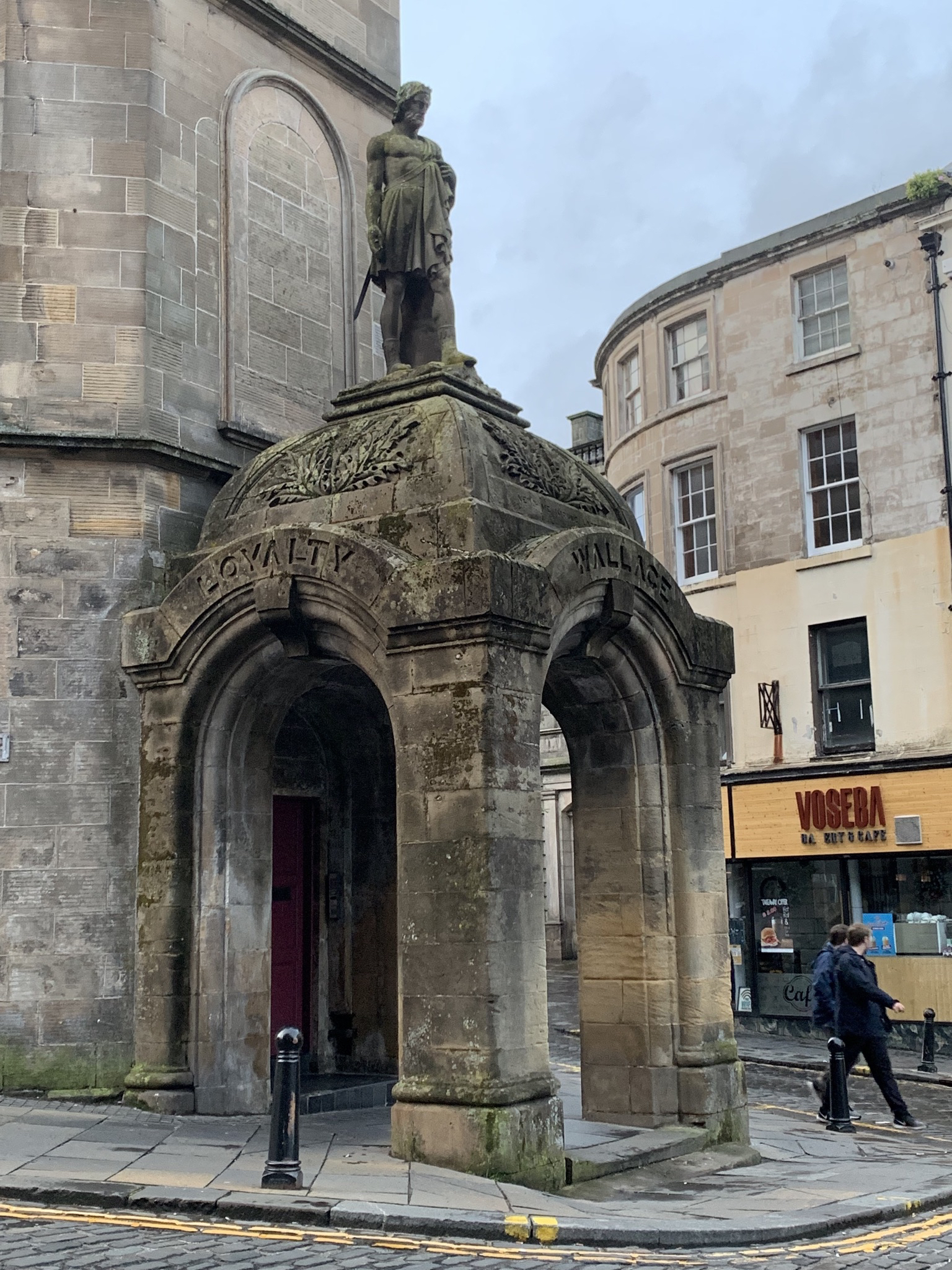
Standing atop Abbey Craig, the Wallace Monument is a 67-meter Gothic tower built in the 1860s to honor Sir William Wallace. It overlooks the battlefield and offers sweeping views of Stirling and the surrounding countryside.
Inside, you’ll find:
- Wallace’s Sword, a massive two-handed weapon said to have belonged to the man himself.
- The Hall of Arms, detailing Wallace’s life and the Wars of Independence.
- The Hall of Heroes, celebrating other great Scots like Robert Burns and Sir Walter Scott.
- The Crown Spire, reached by climbing 246 steps, offering one of the best views in Scotland.
The monument is a pilgrimage site for those who admire Wallace’s courage and Scotland’s enduring fight for freedom.
🏘️ Stirling and Its Surroundings: A Living Legacy
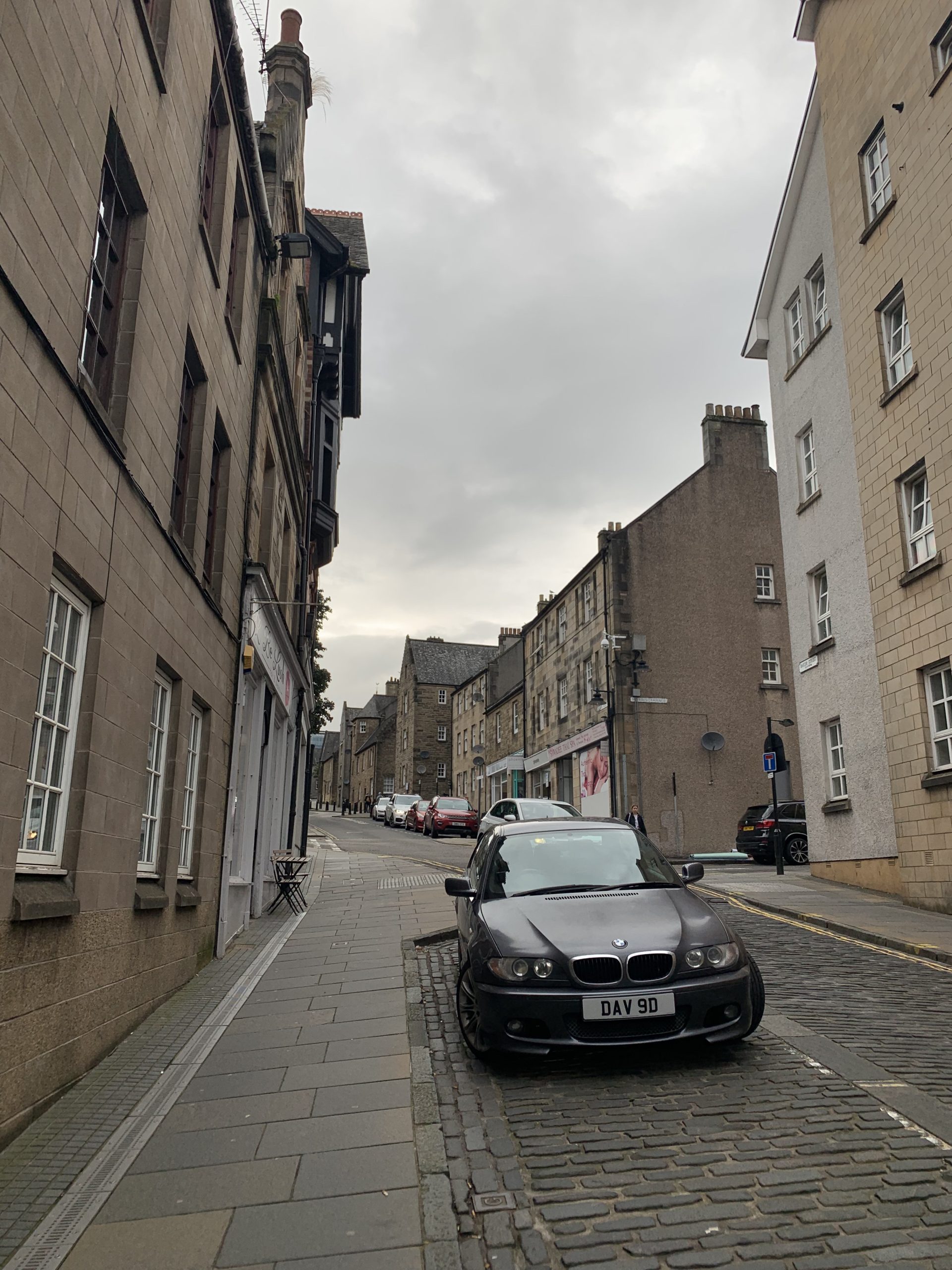
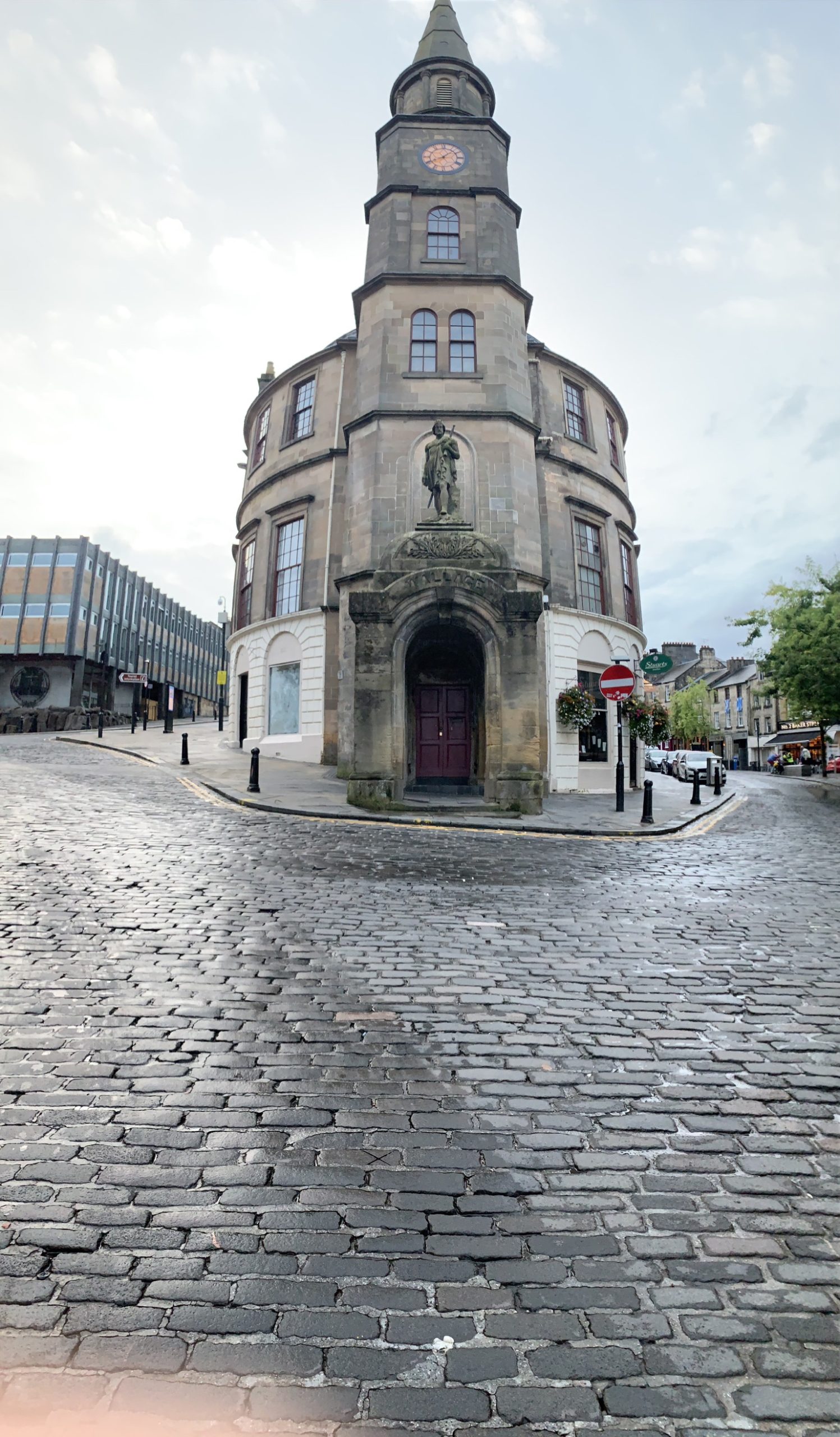
Beyond its historic landmarks, Stirling is a thriving city with a strong sense of identity. The Old Town is a maze of cobbled streets, medieval buildings, and cozy pubs. The University of Stirling, set in a stunning campus near Bridge of Allan, brings youthful energy and academic excellence.
Nearby communities include:
- Bridge of Allan: A Victorian spa town with boutique shops and leafy walks.
- Bannockburn: Site of the 1314 battle where Robert the Bruce defeated the English army.
- Cambusbarron: A village with quarrying heritage and scenic trails.
- Dunblane: Known for its cathedral and as the hometown of tennis champion Andy Murray.
Together, these communities form a rich tapestry of Highland and Lowland culture, blending tradition with modern life.
Final Thoughts
Stirling is more than a city—it’s a symbol of Scotland’s soul. From the sacred halls of the Church of the Holy Rude to the defiant ramparts of Stirling Castle, from the battlefield of Stirling Bridge to the towering Wallace Monument, every stone tells a story of courage, conviction, and national pride.
Whether you’re tracing the footsteps of kings and rebels, exploring the depths of the Old Town Jail, or simply soaking in the views from Abbey Craig, Stirling invites you to stand where history happened—and feel its heartbeat still.


Sources:
- Historic Environment Scotland: Stirling Castle & Wallace Monument
- Church of the Holy Rude Official Site
- Stirling Old Town Jail
- National Trust for Scotland: Battle of Stirling Bridge
- VisitScotland: Stirling and Surrounding Area

Leave a reply
You must be logged in to post a comment.