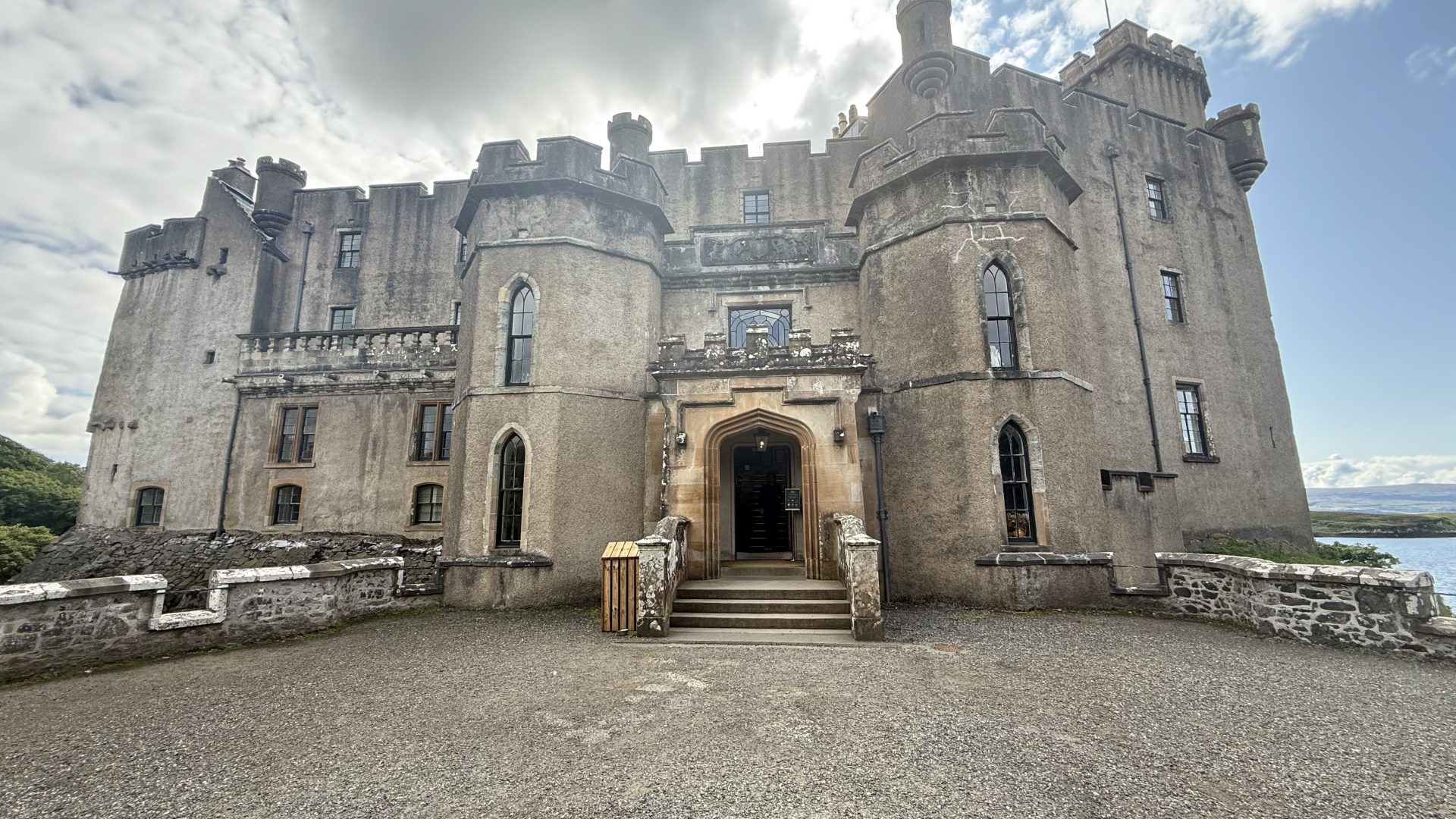

A Highland Promise: Getting Engaged at Dunvegan Castle
In August 2019, beneath the soft, shifting skies of the Isle of Skye, I asked Jennifer to marry me on the grounds of Dunvegan Castle. It was a moment steeped in meaning—not just for us, but for the centuries of heritage that surrounded us. Jennifer, descended from Clan MacLeod, stood on ancestral soil. And I, with roots in Clan MacGregor, felt the weight of my own lineage echoing through the Highland air. Our engagement wasn’t just a personal milestone—it was a union of two proud Scottish bloodlines, forged in a place where history breathes through stone.
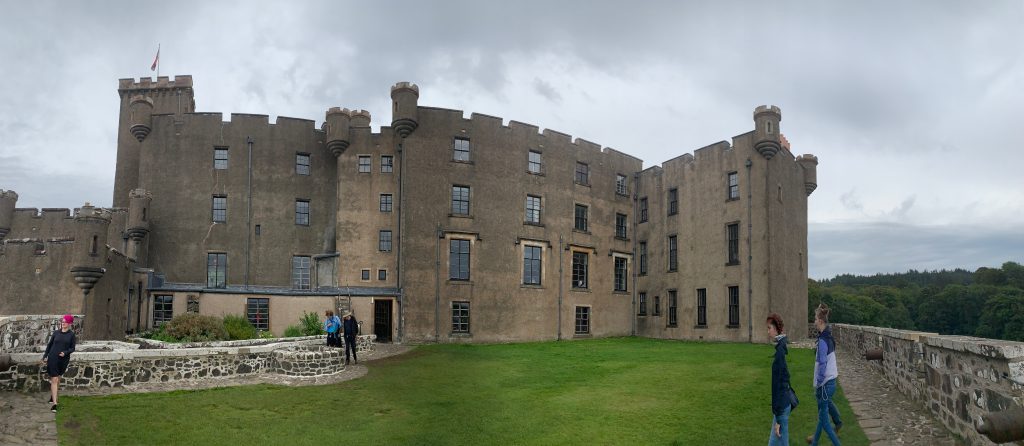
🏰 Dunvegan Castle: Stronghold of the MacLeods
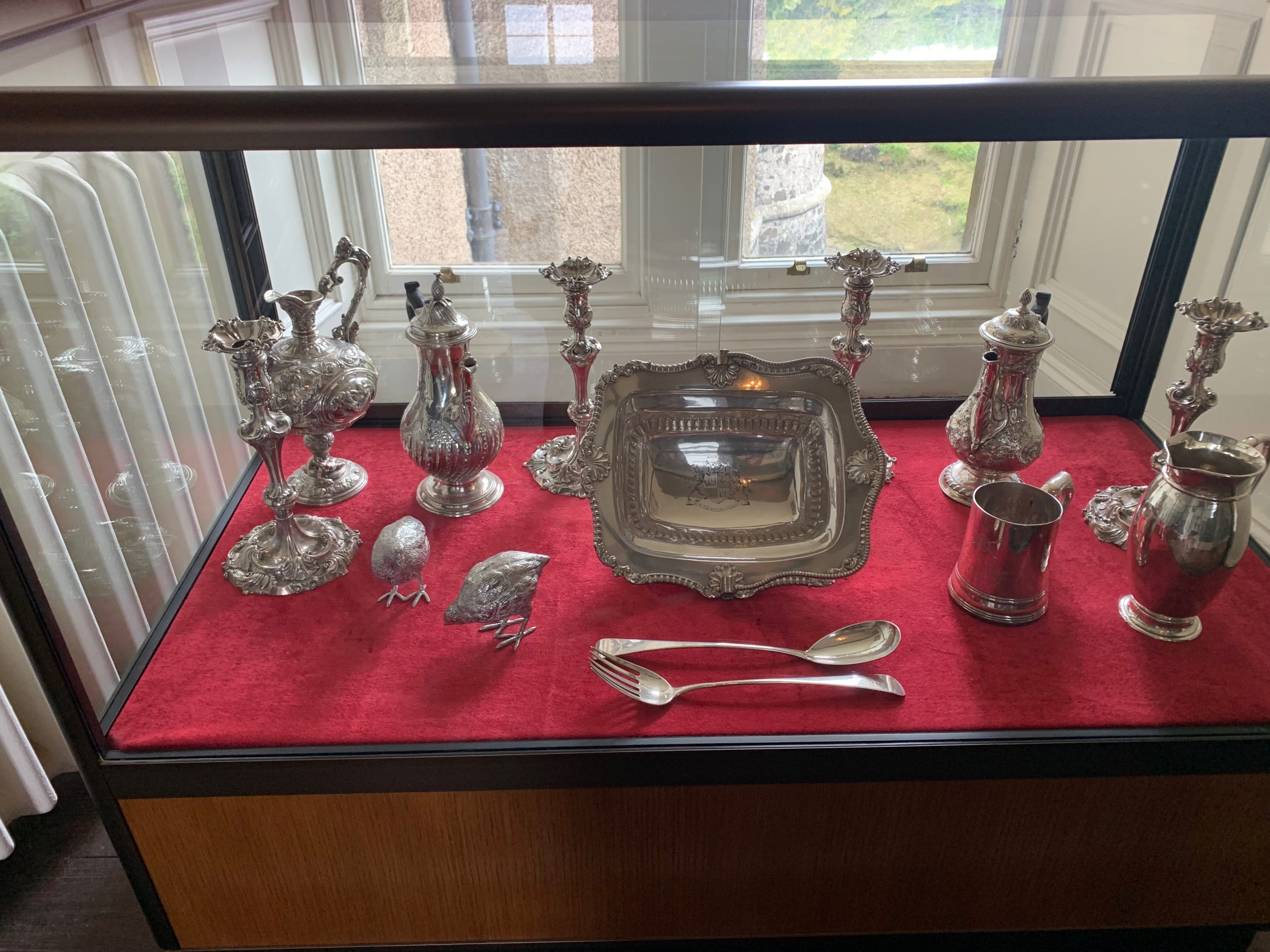
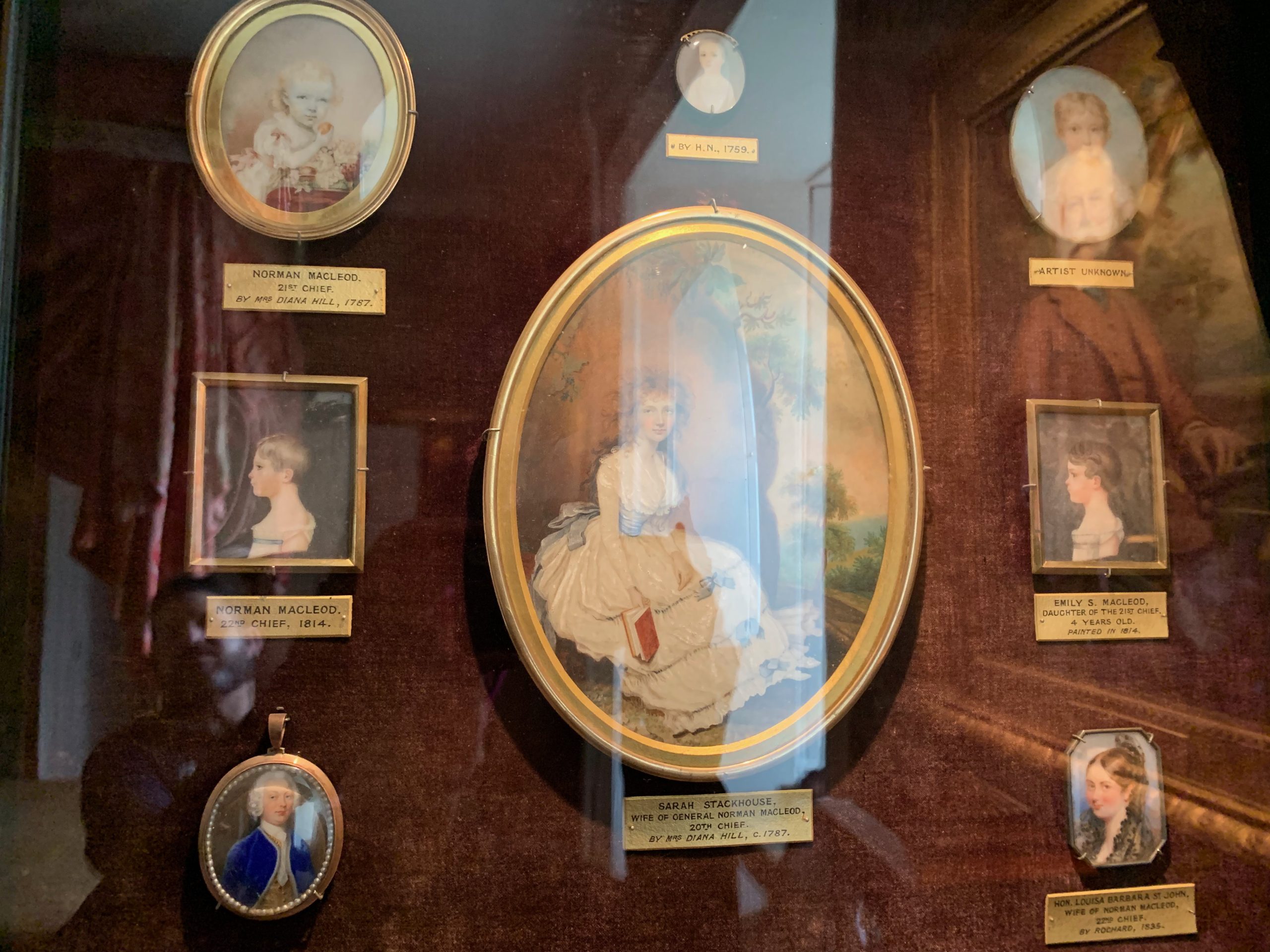
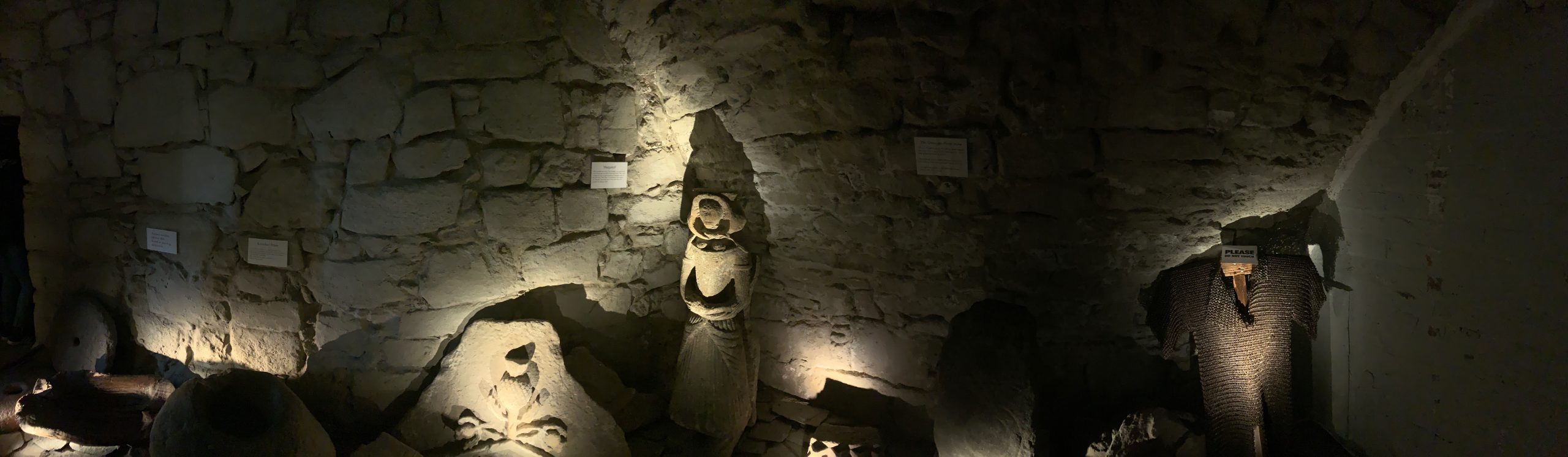
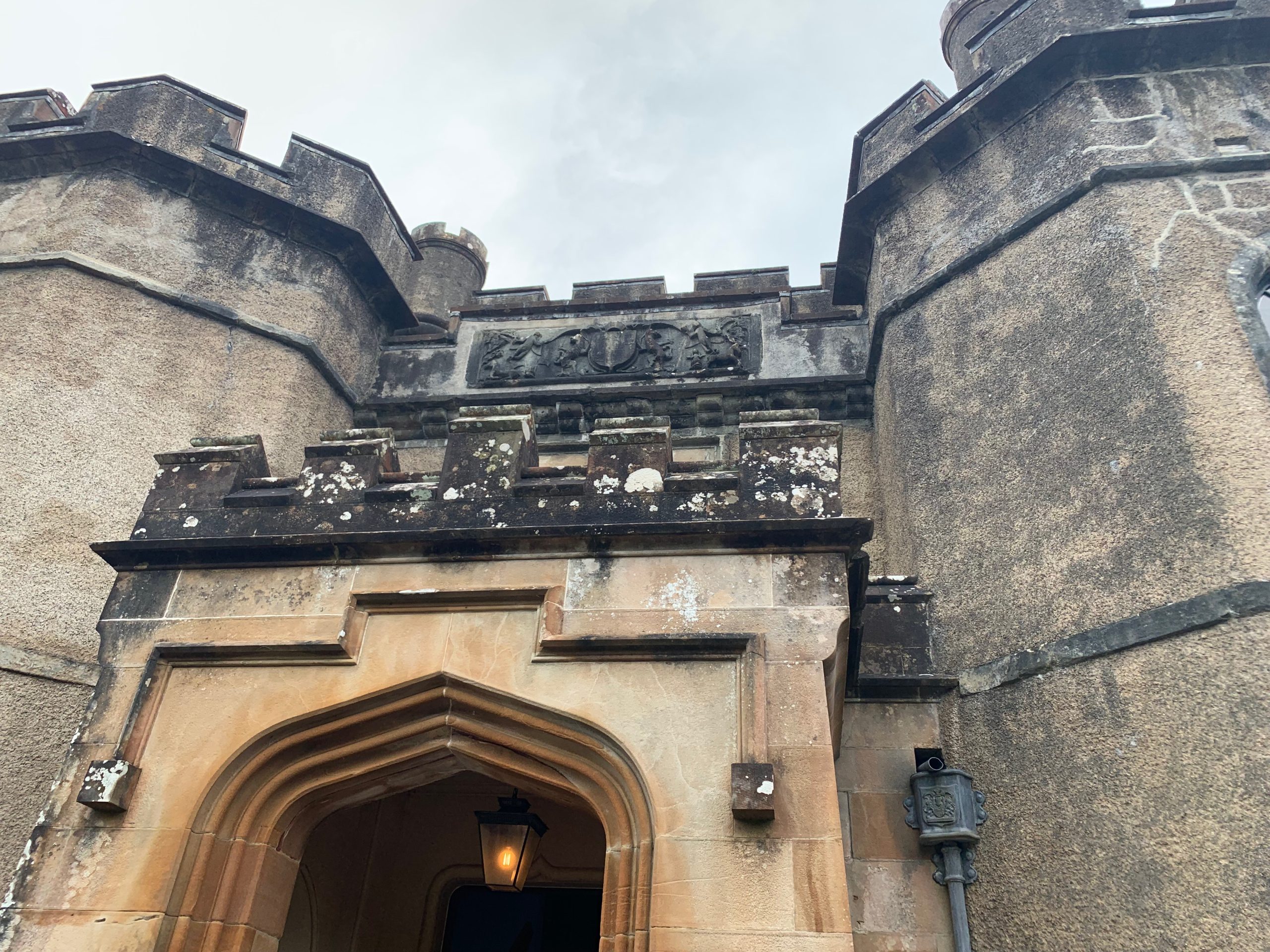
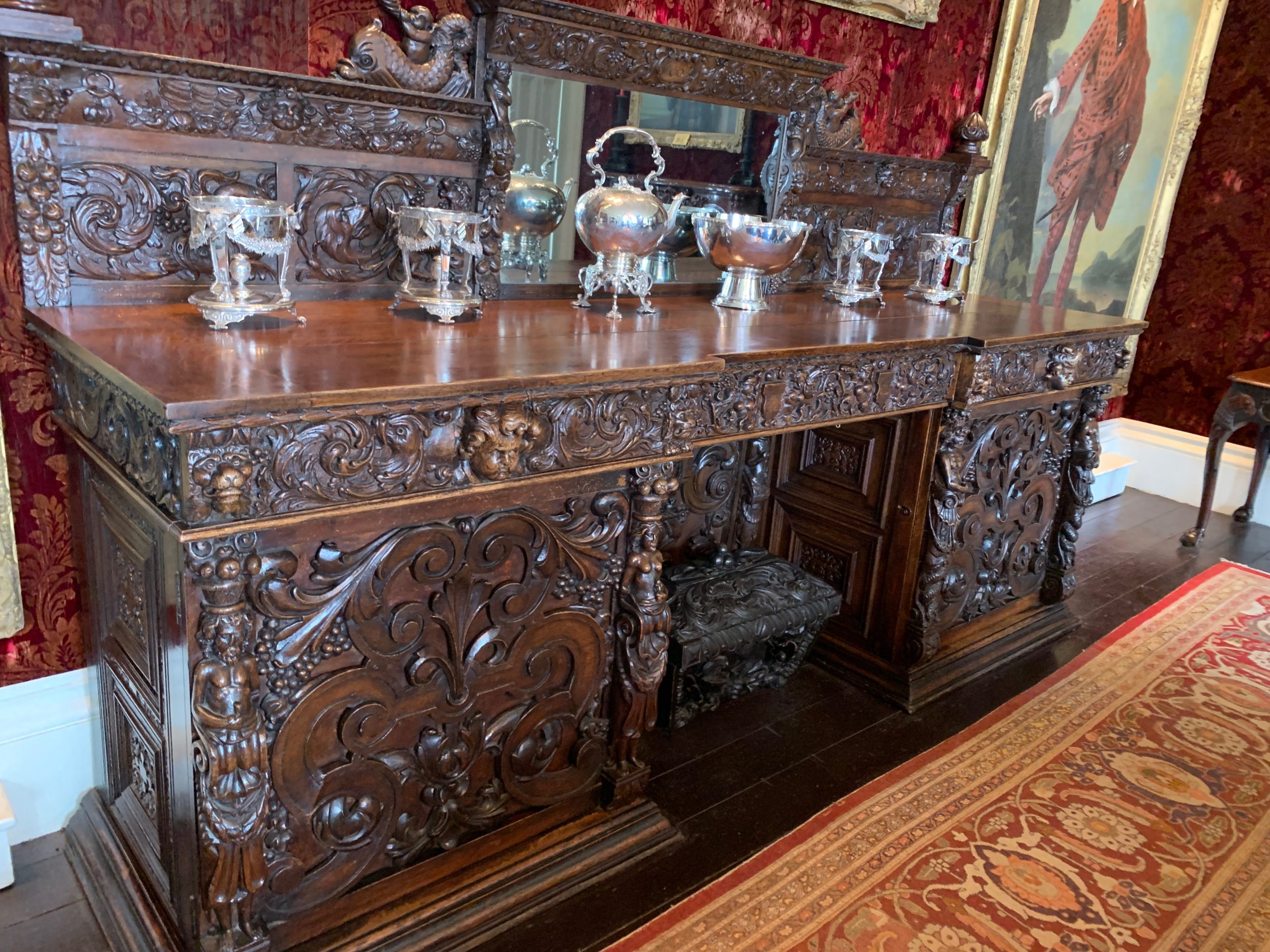
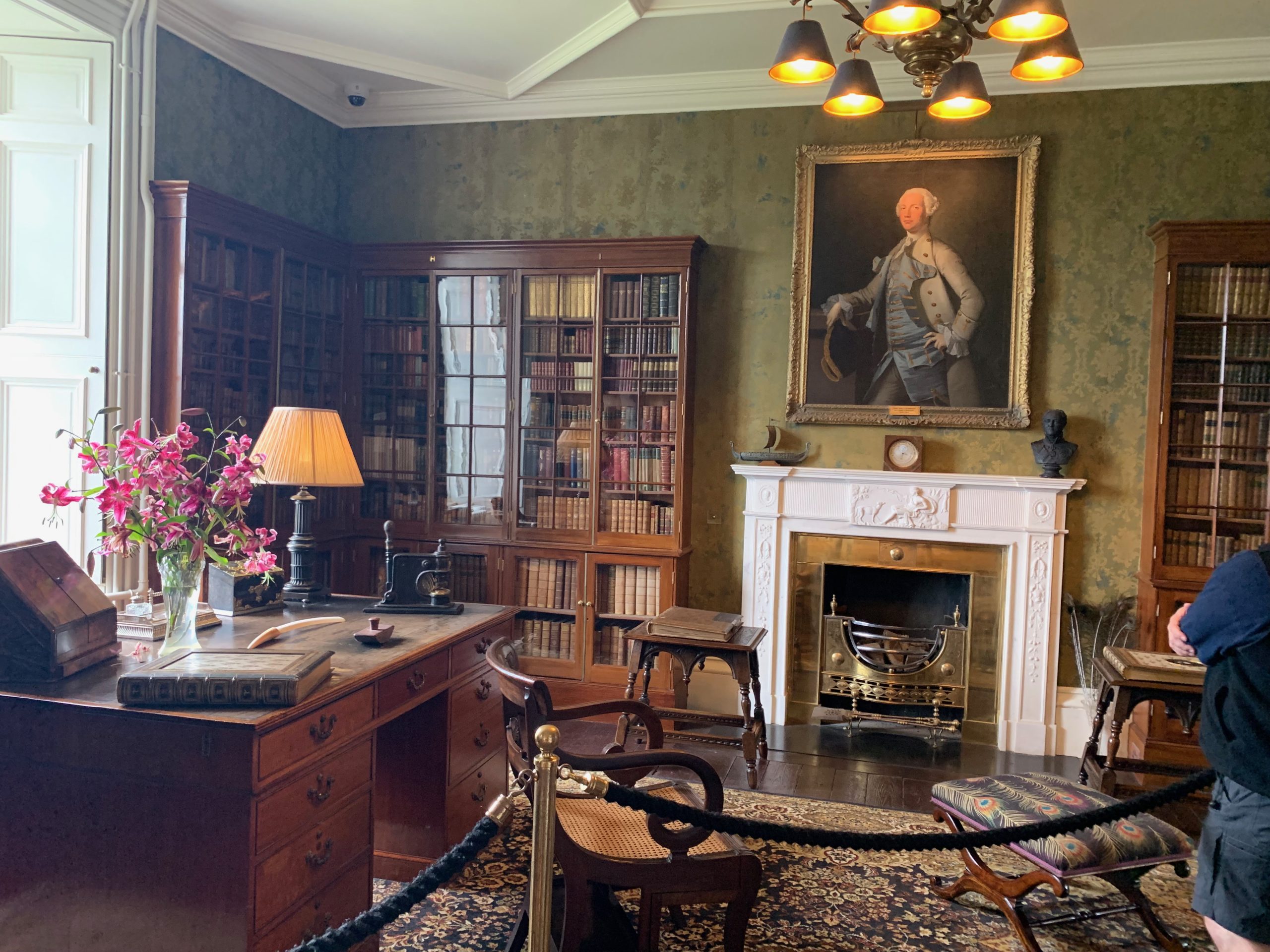
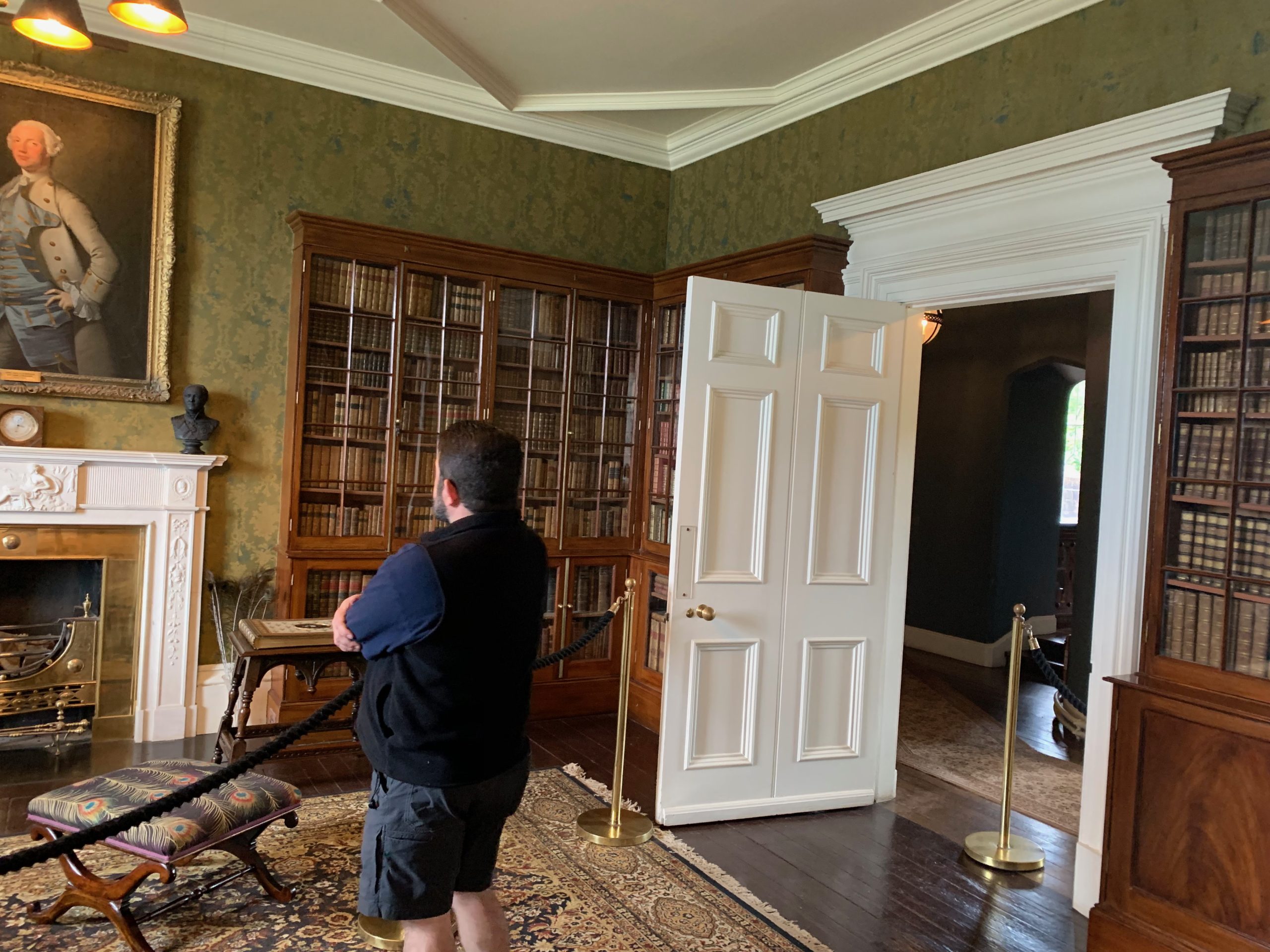
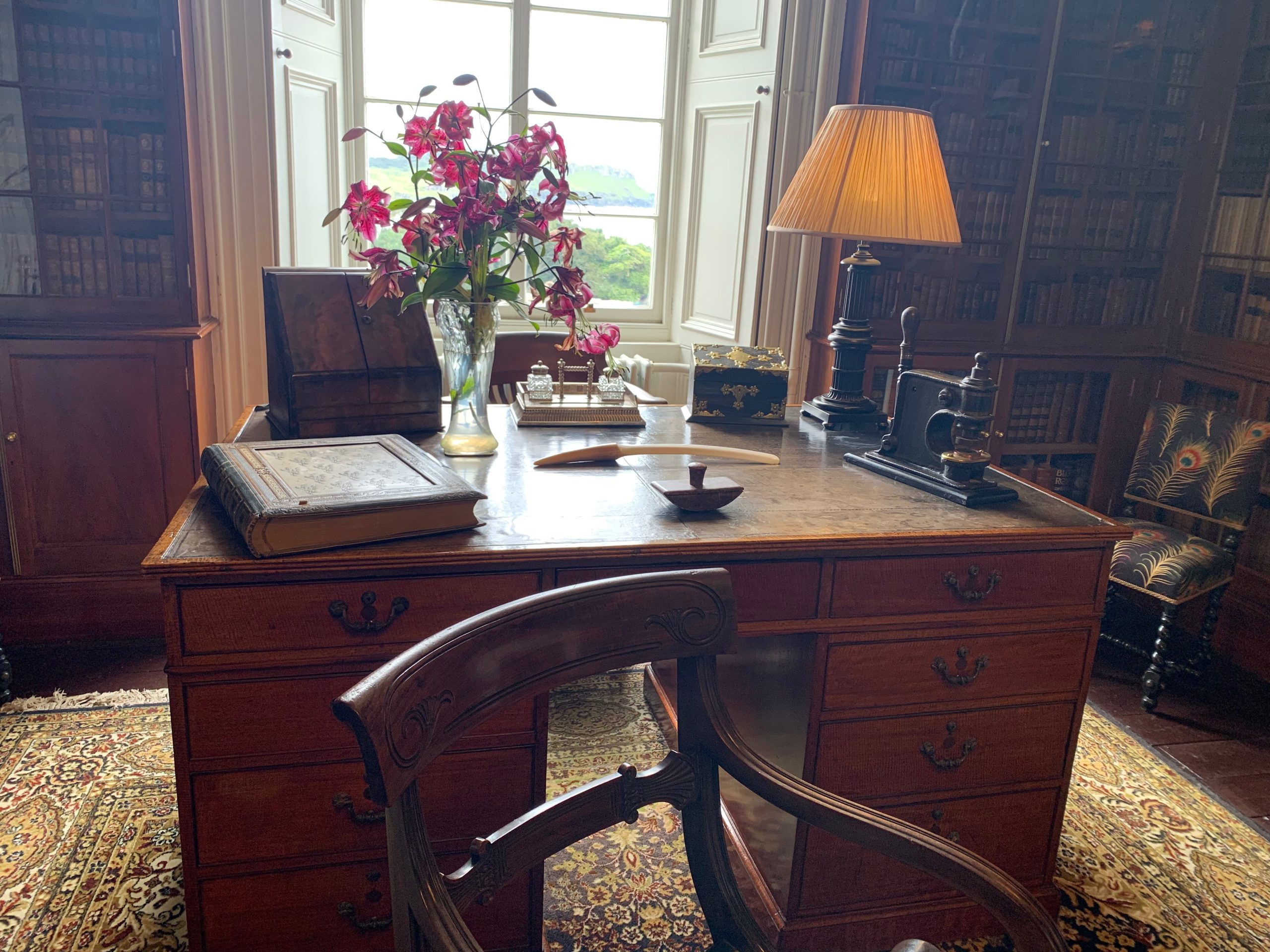
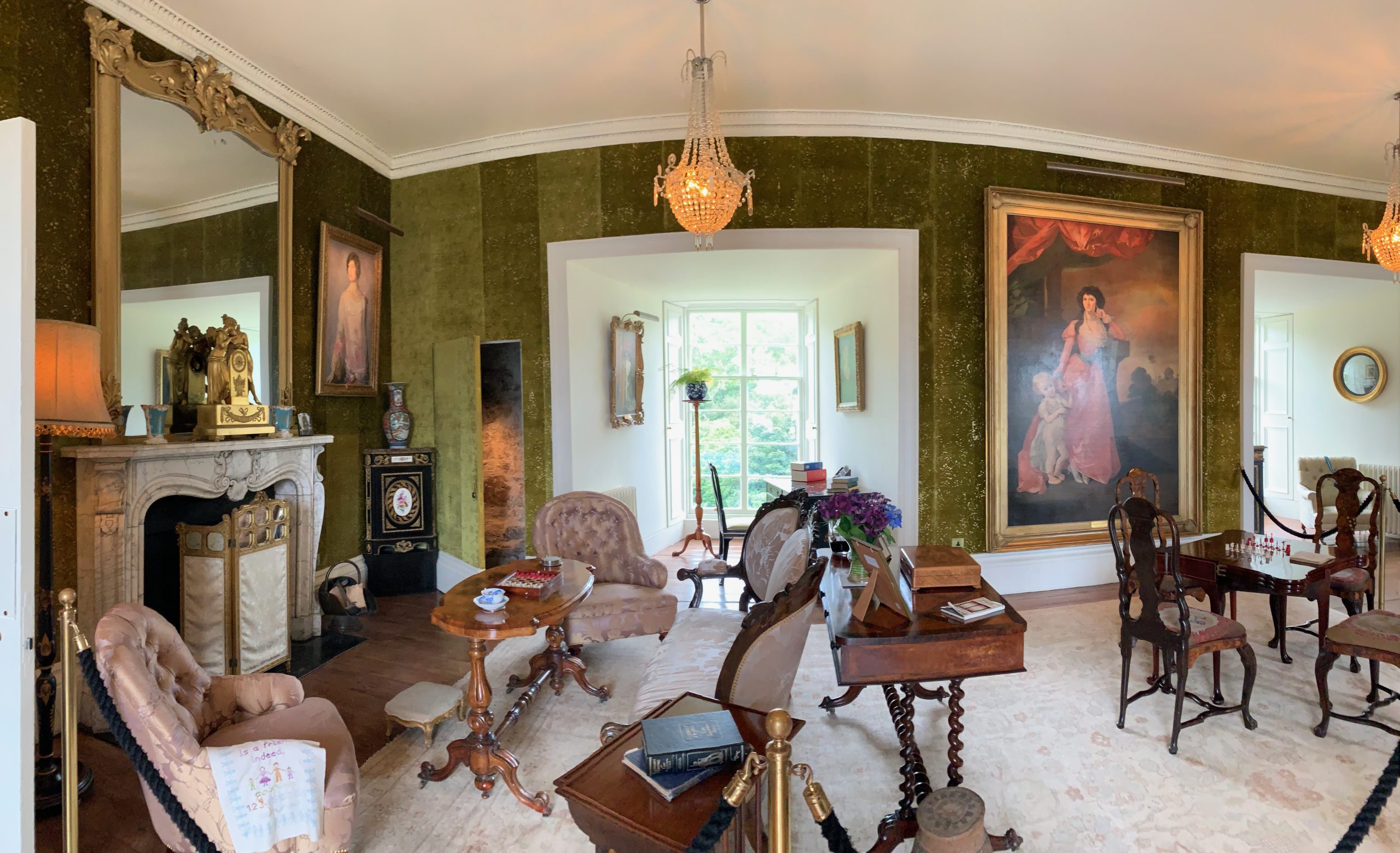
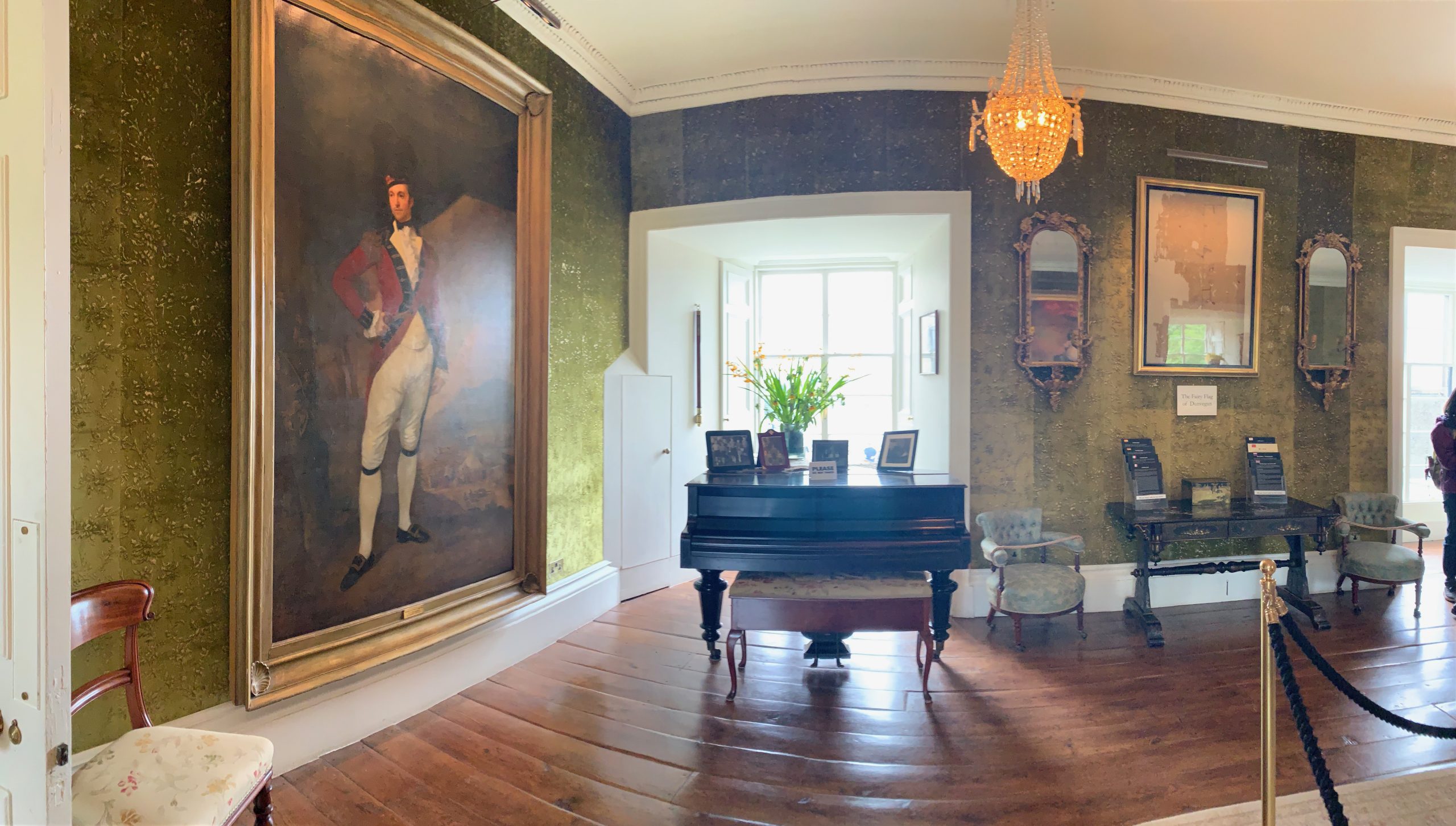
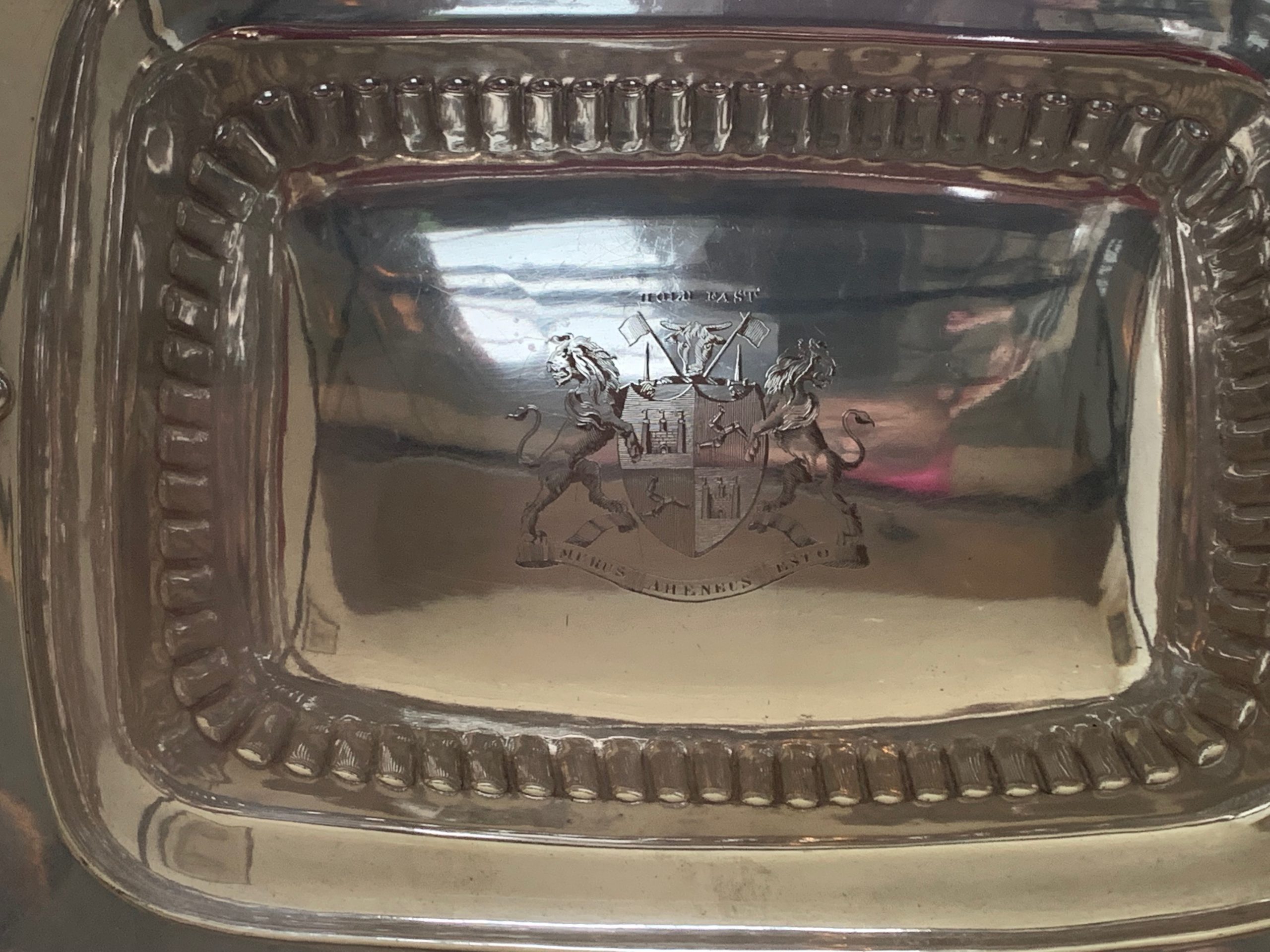
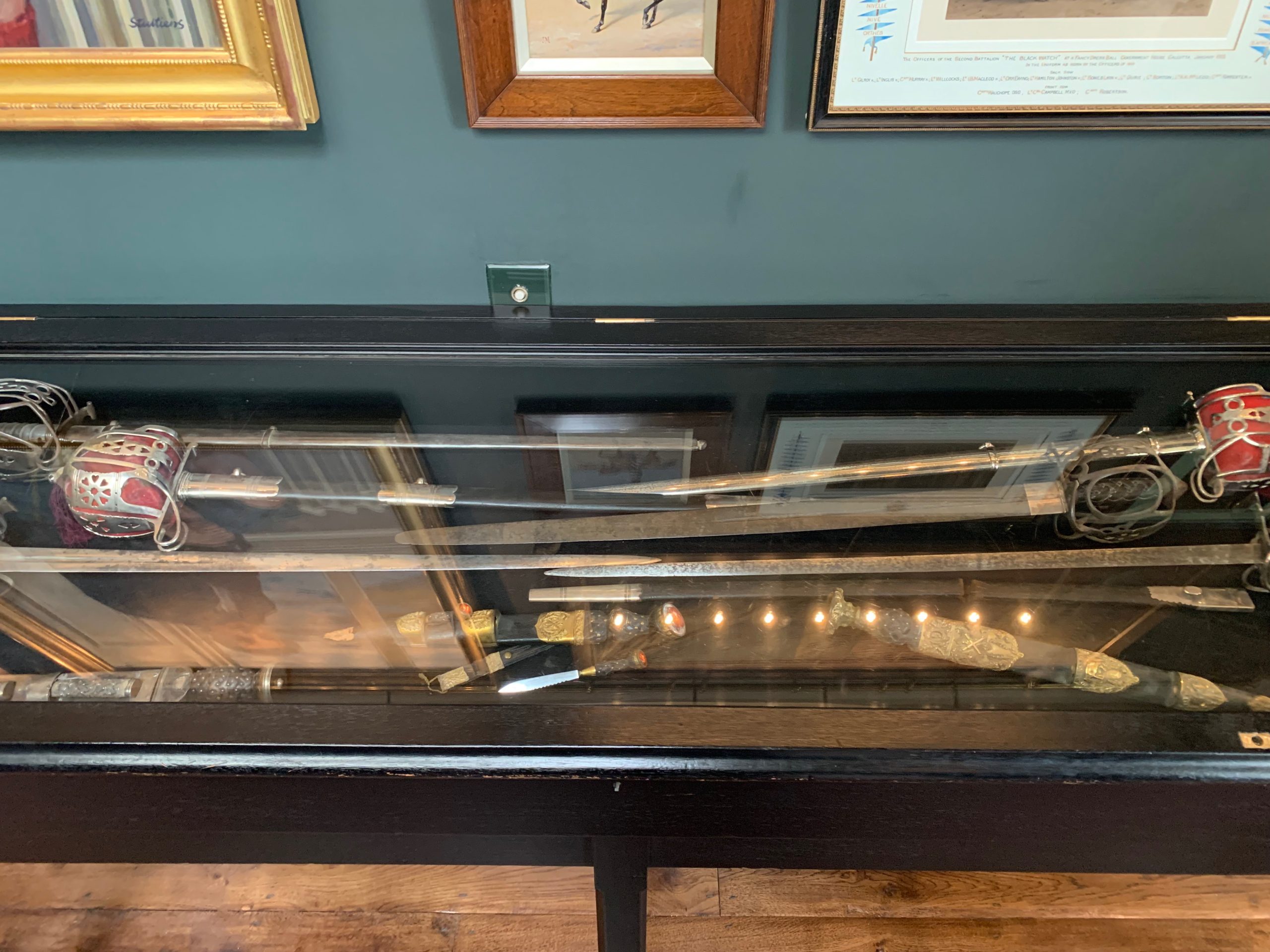
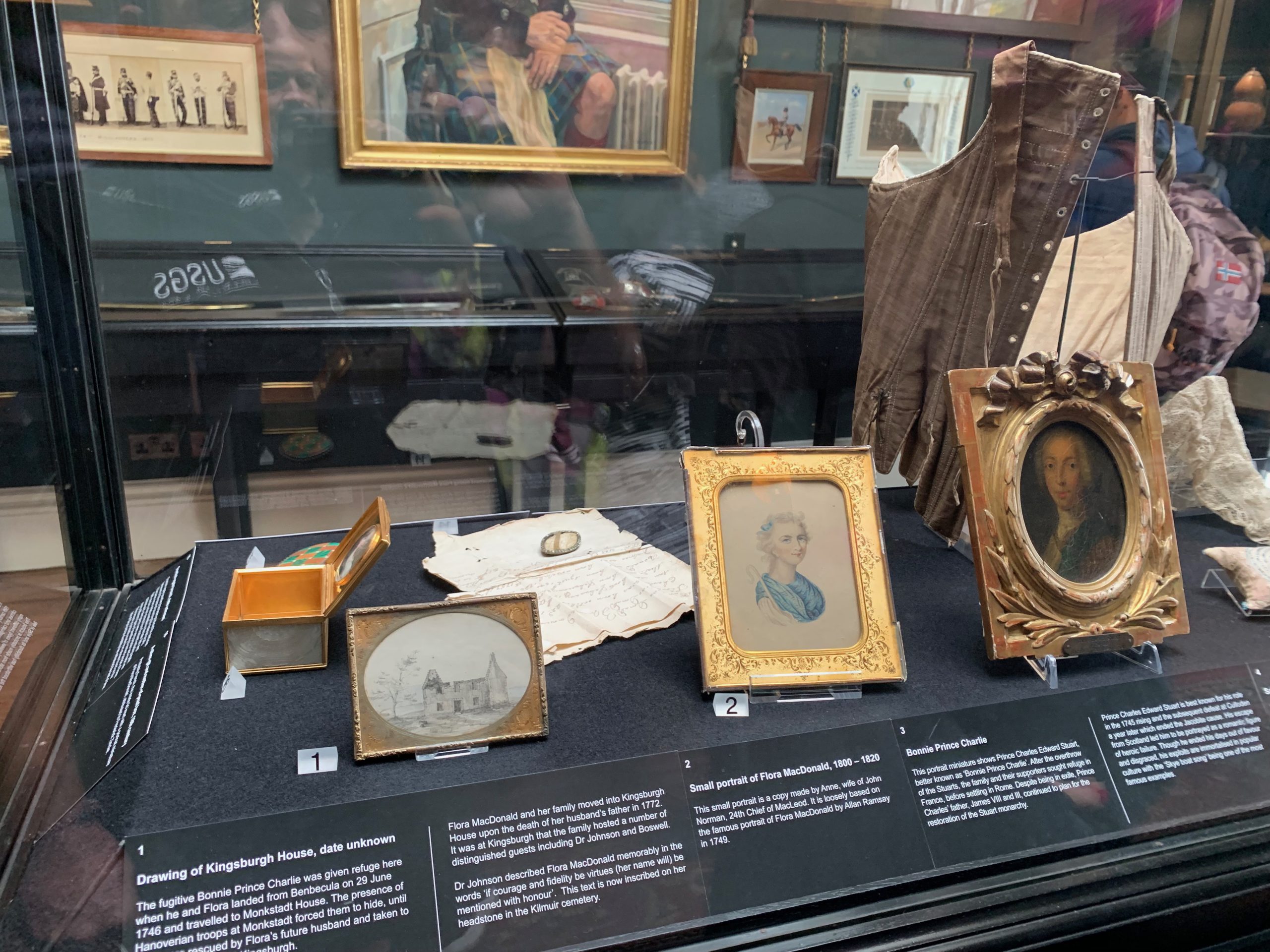
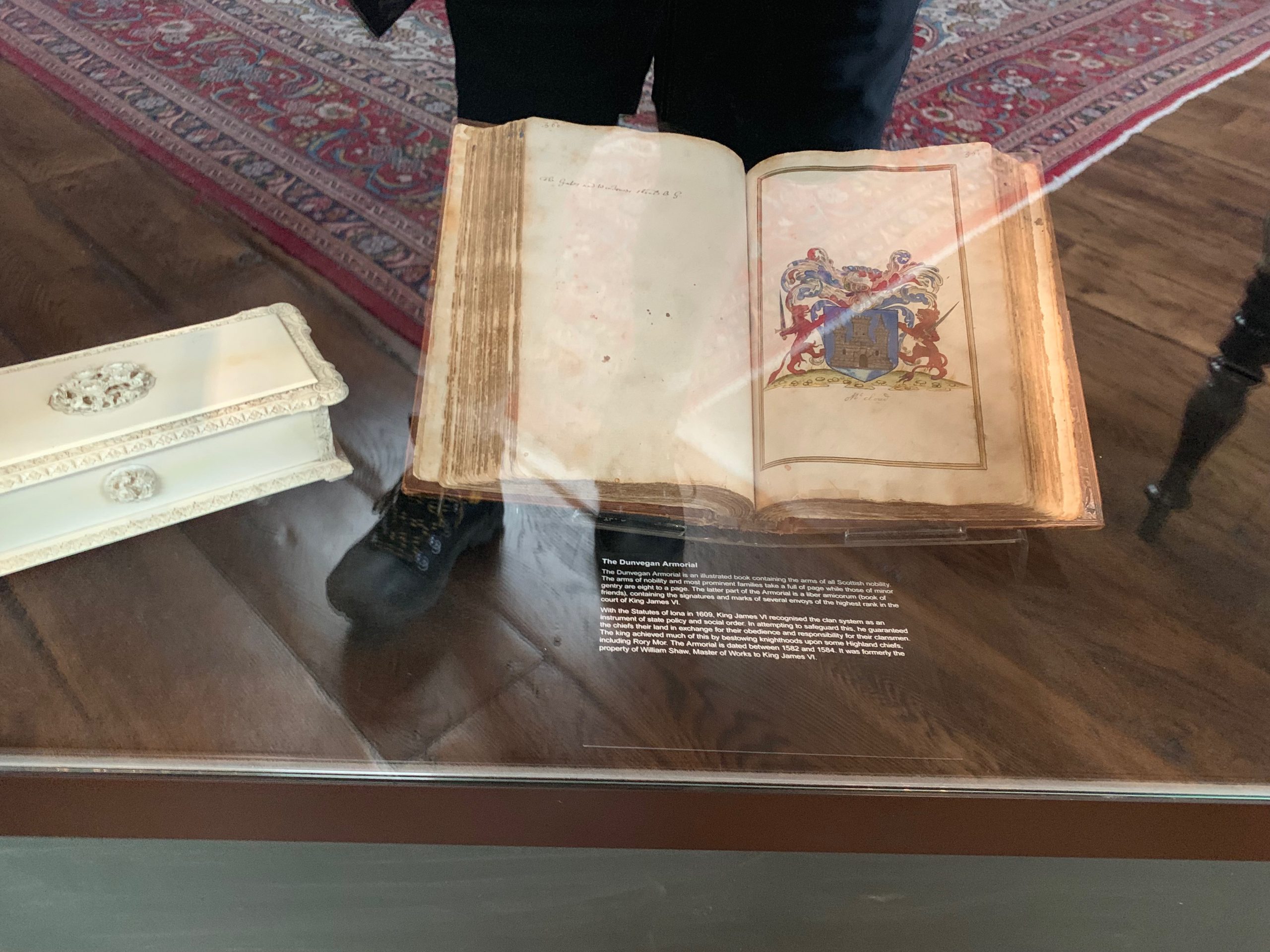
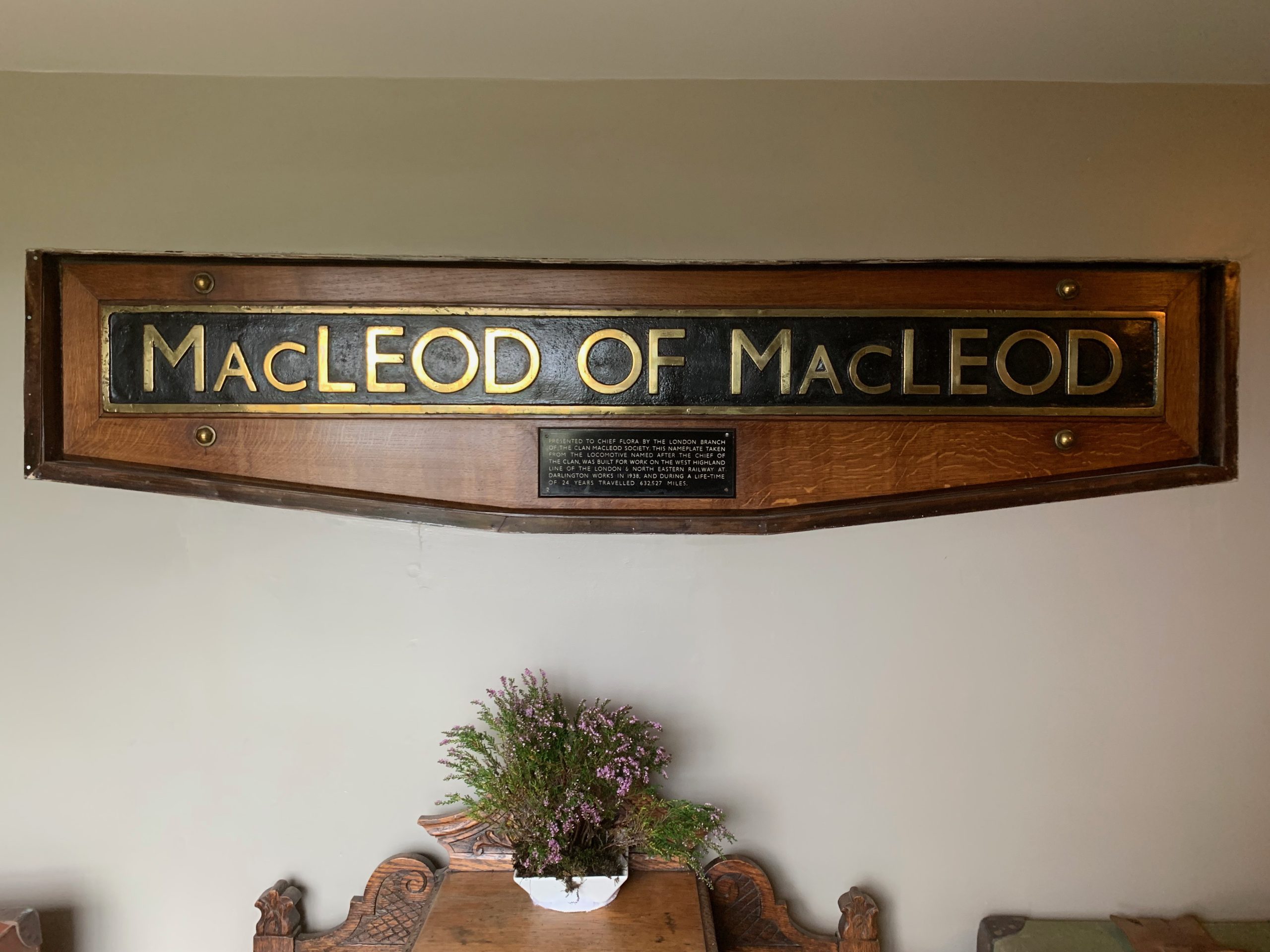
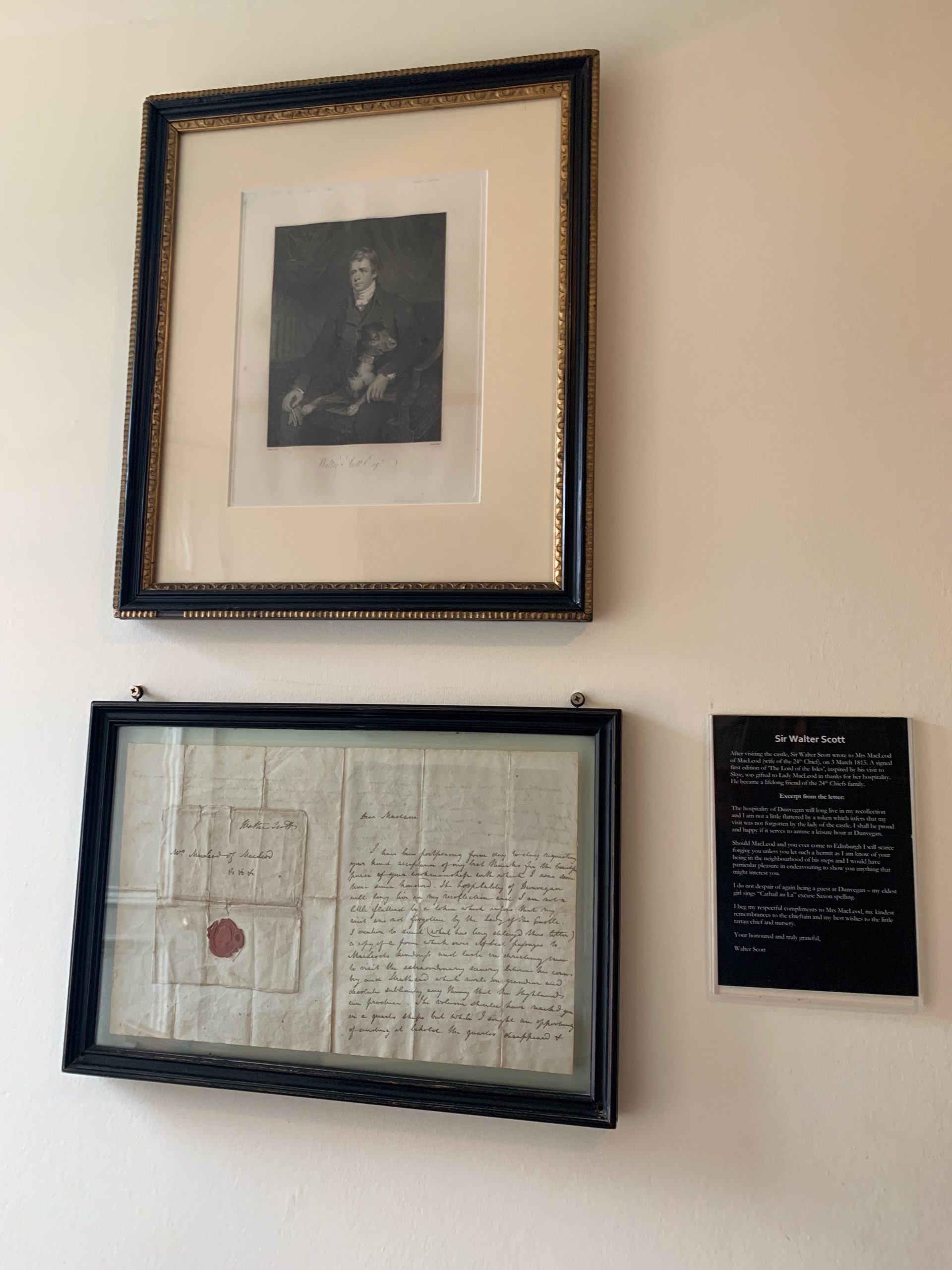
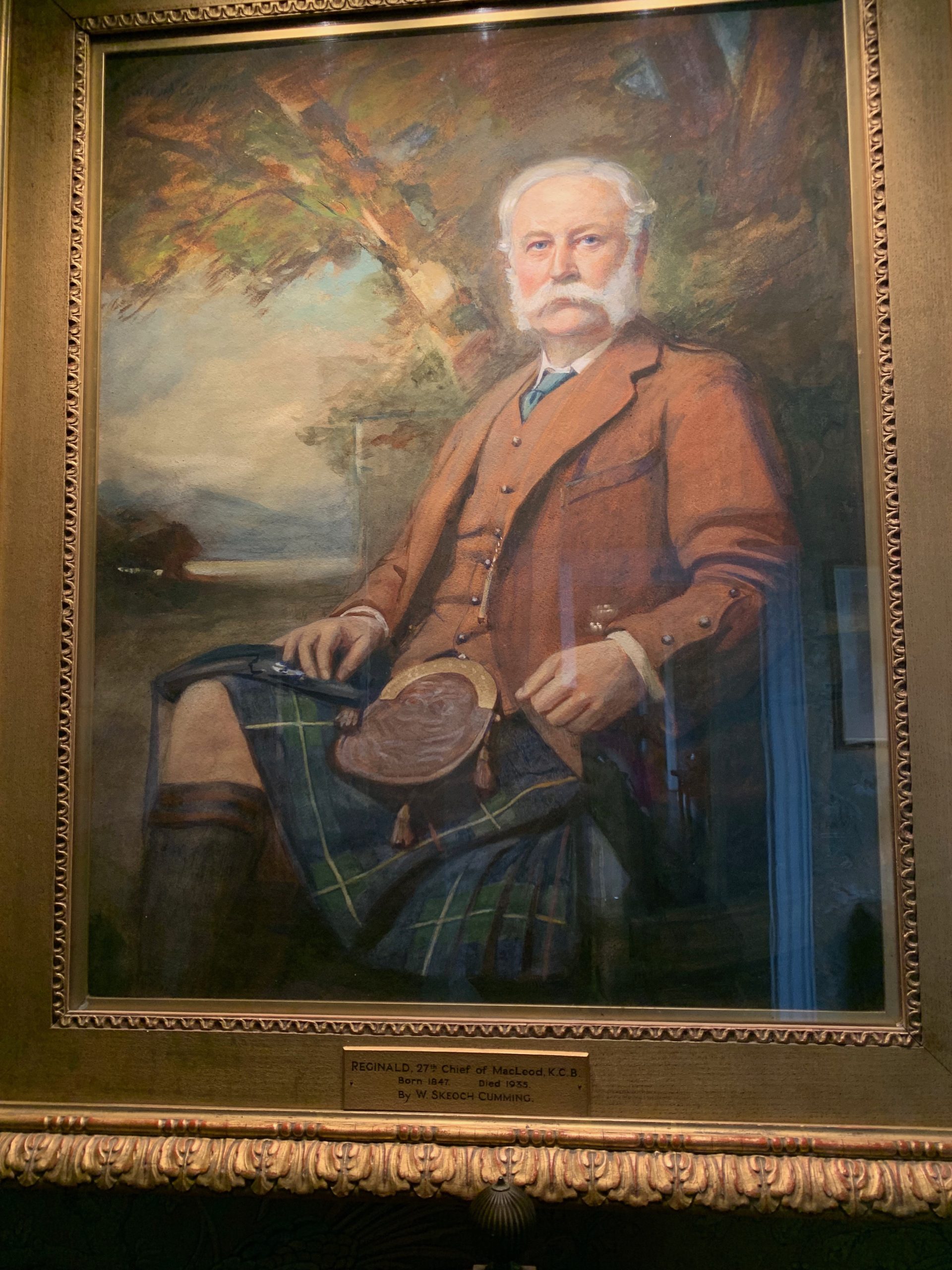
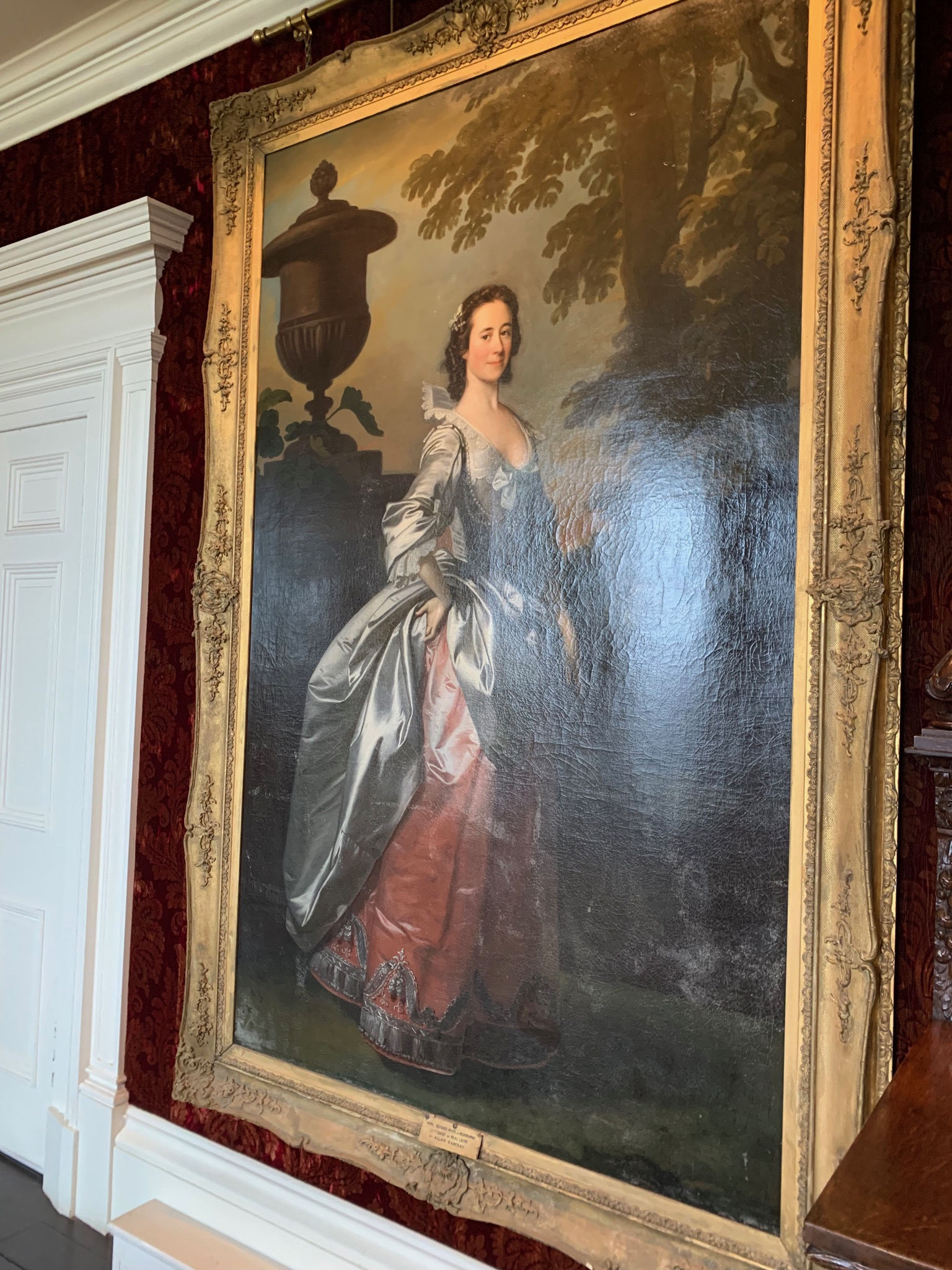
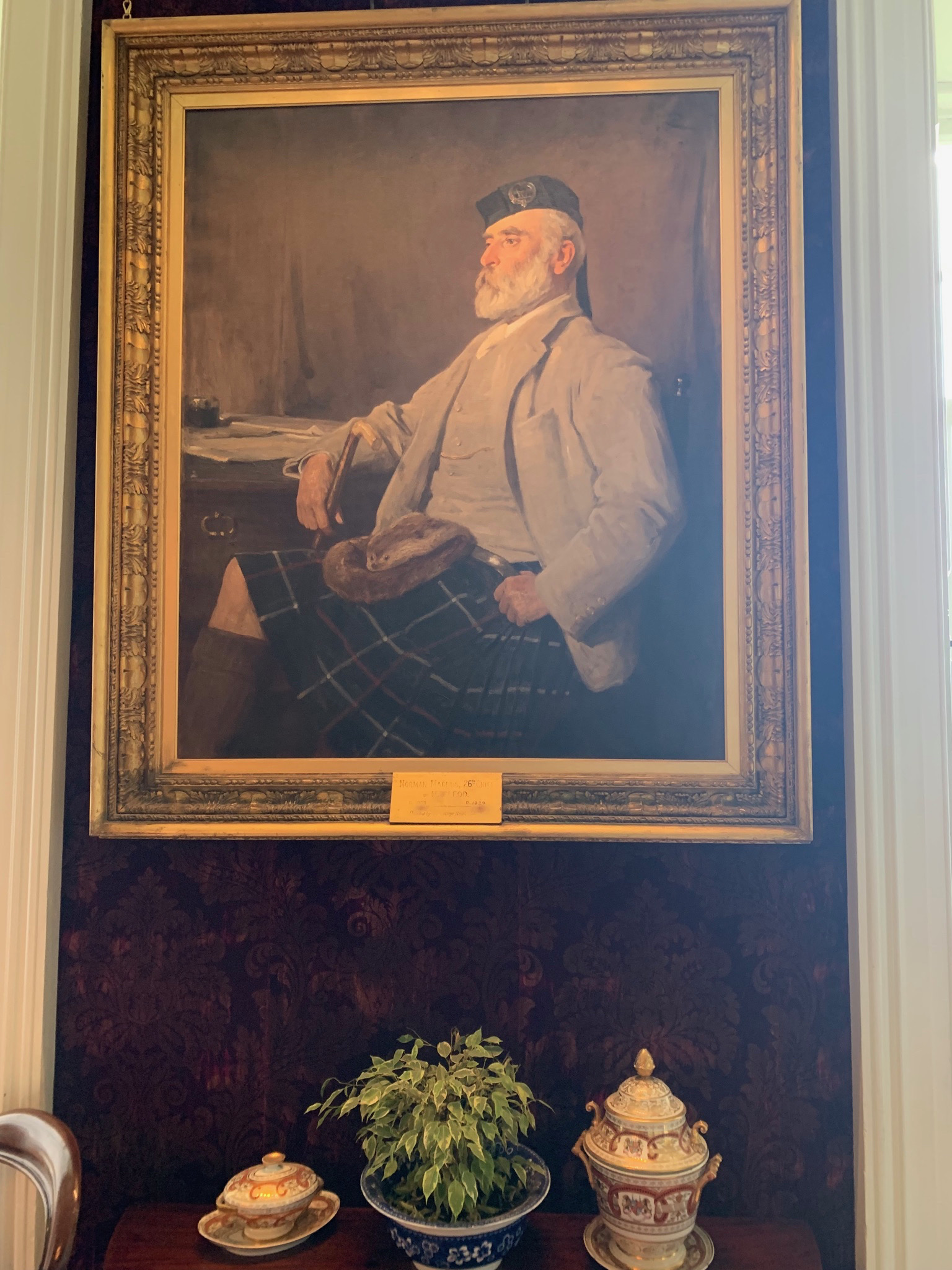
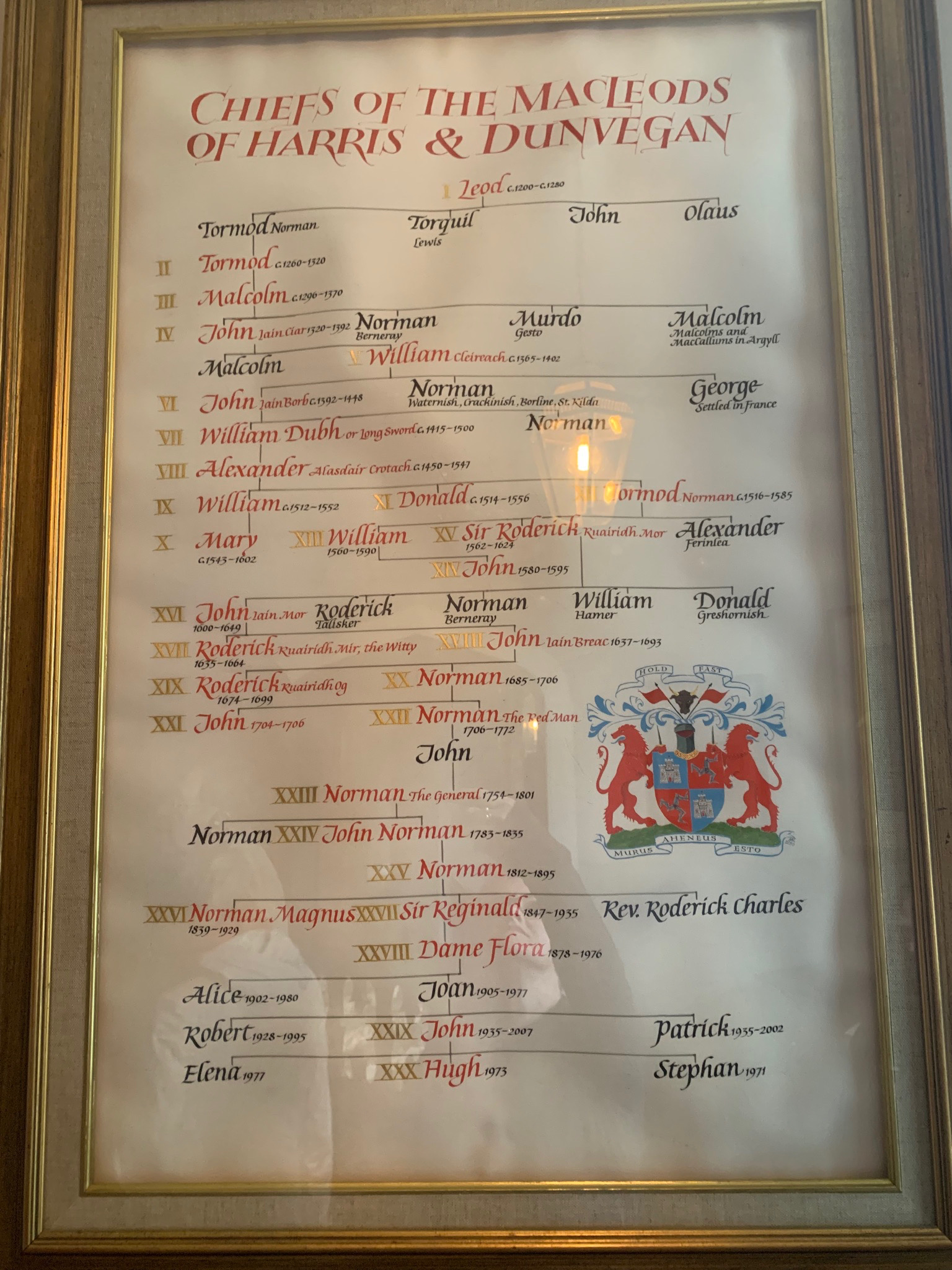
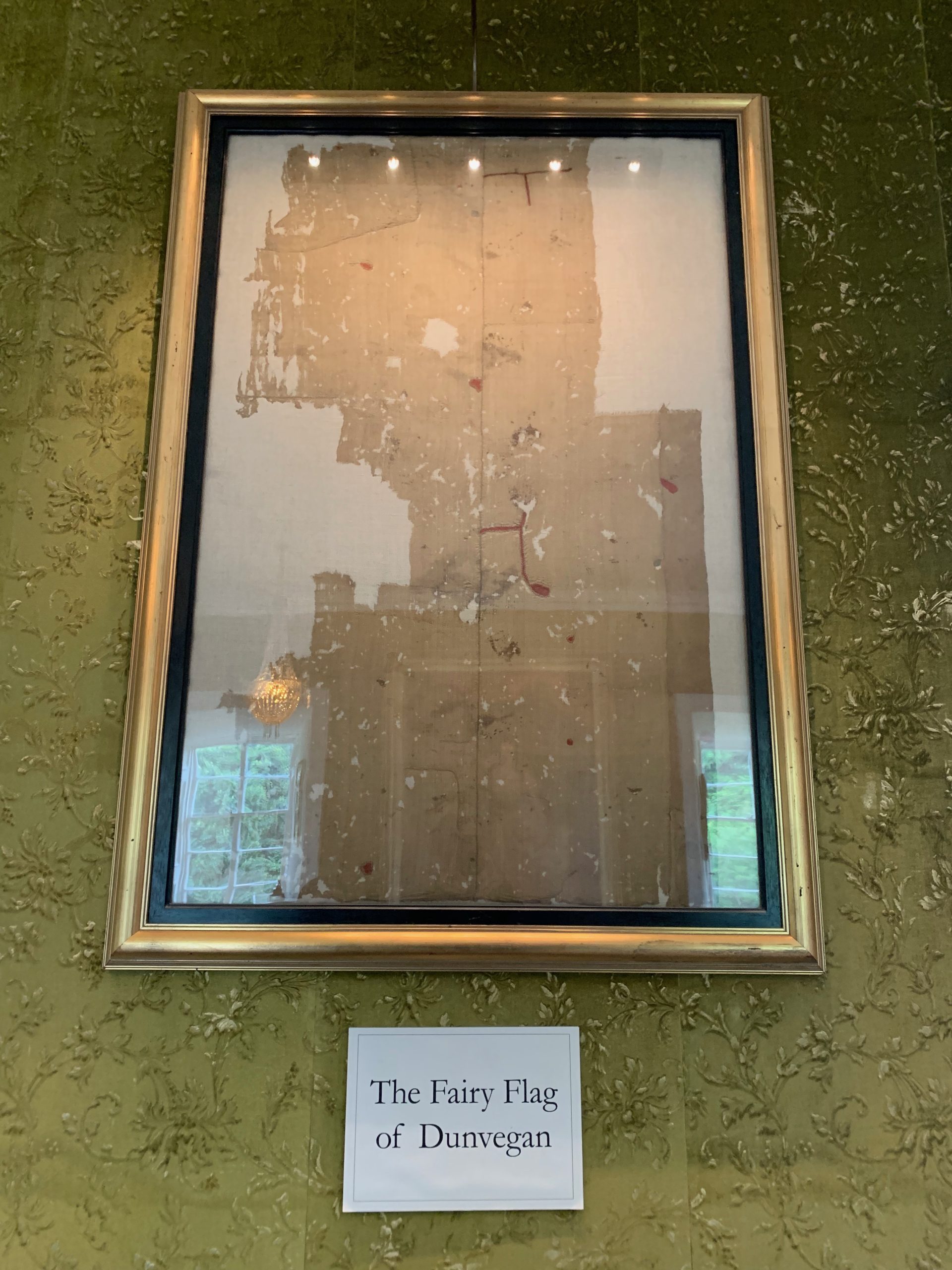
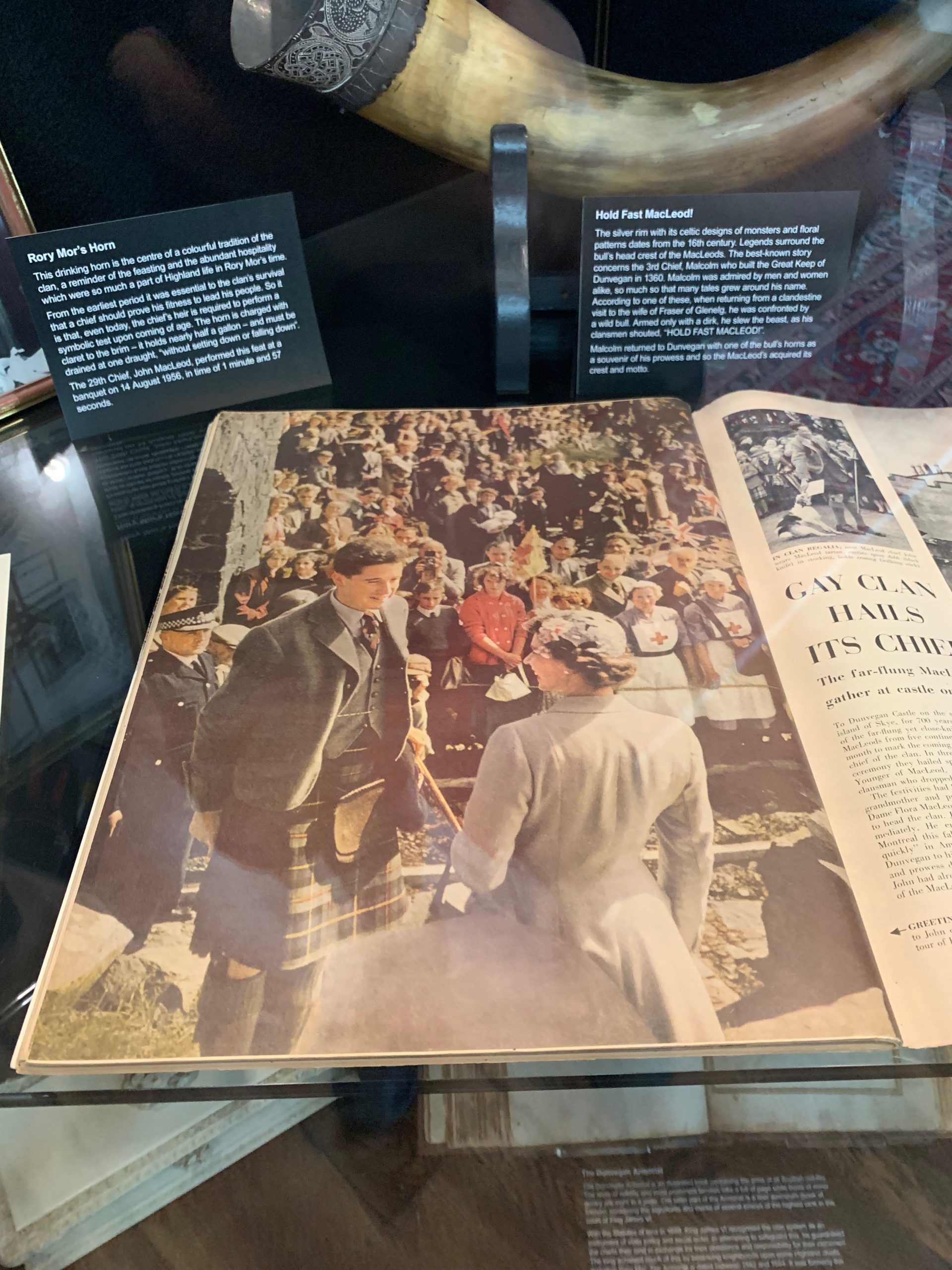
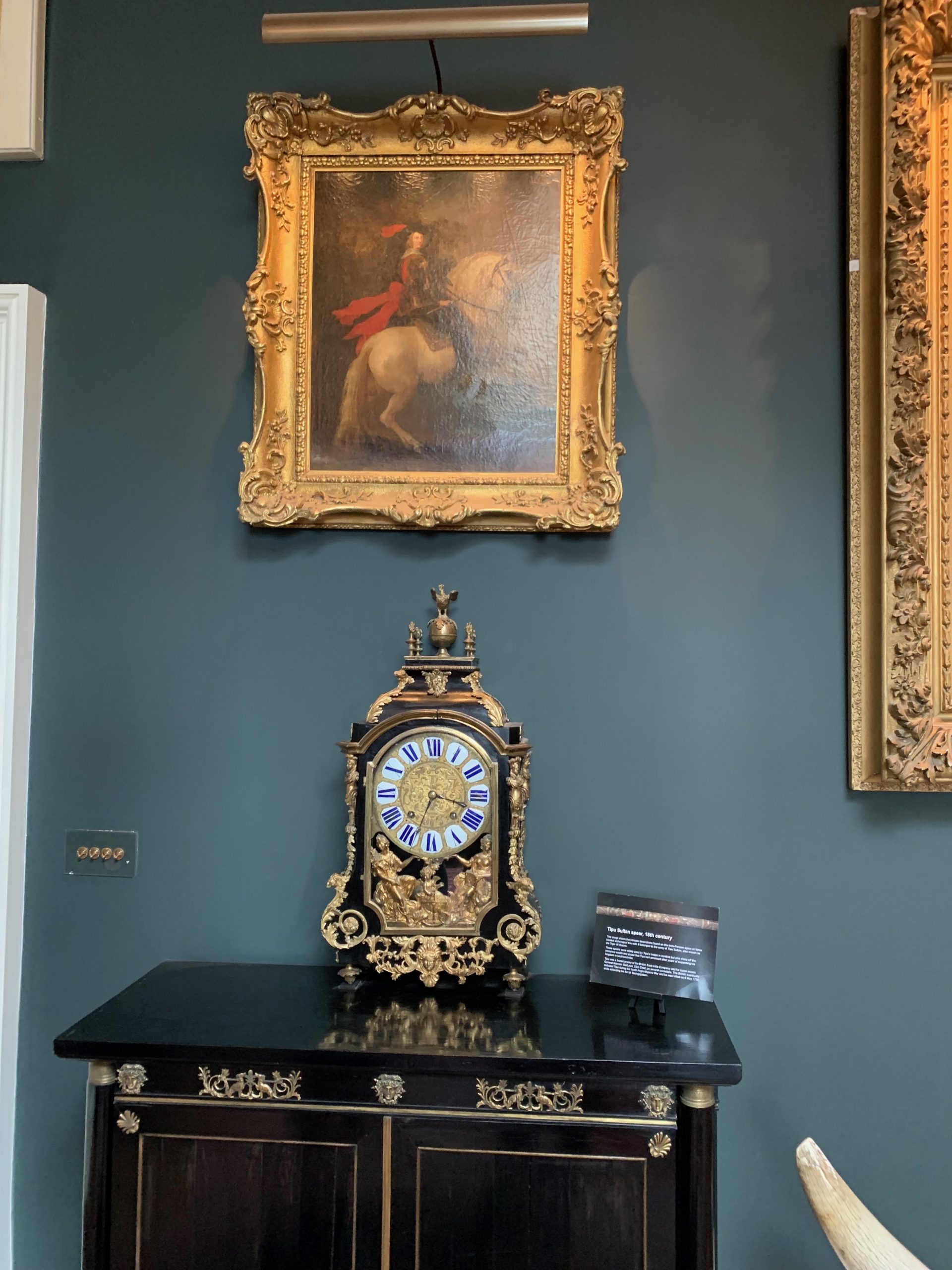
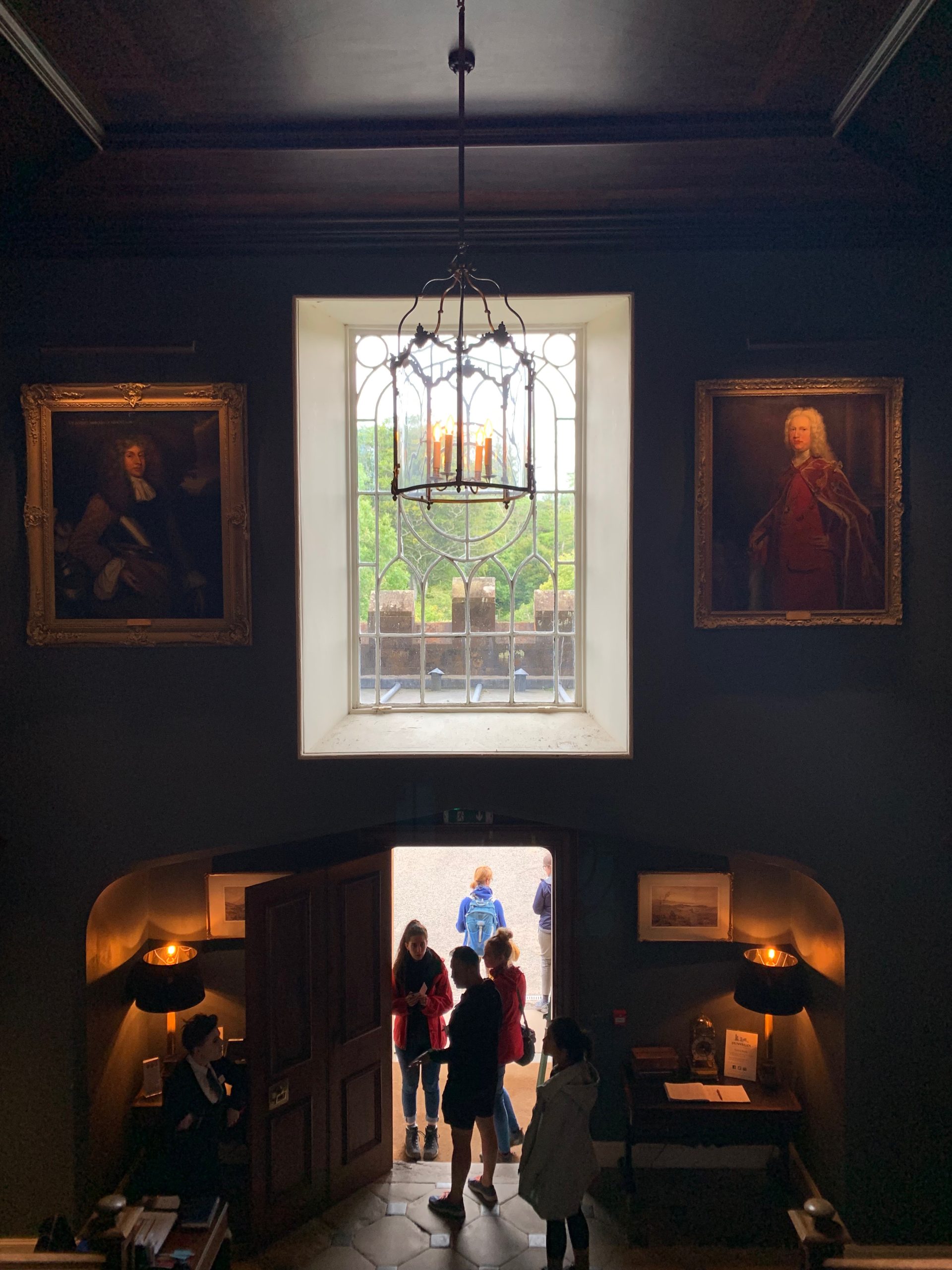
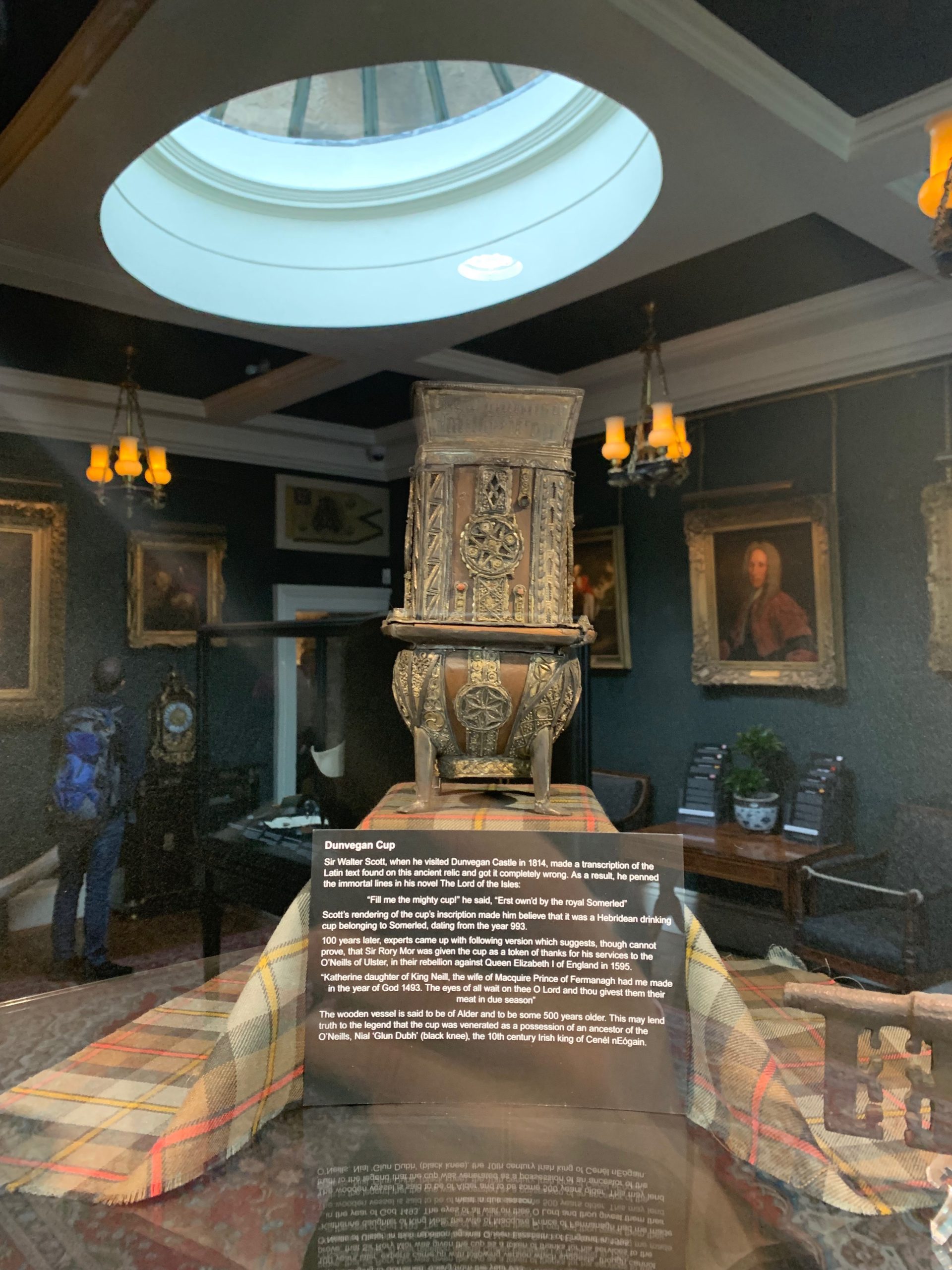
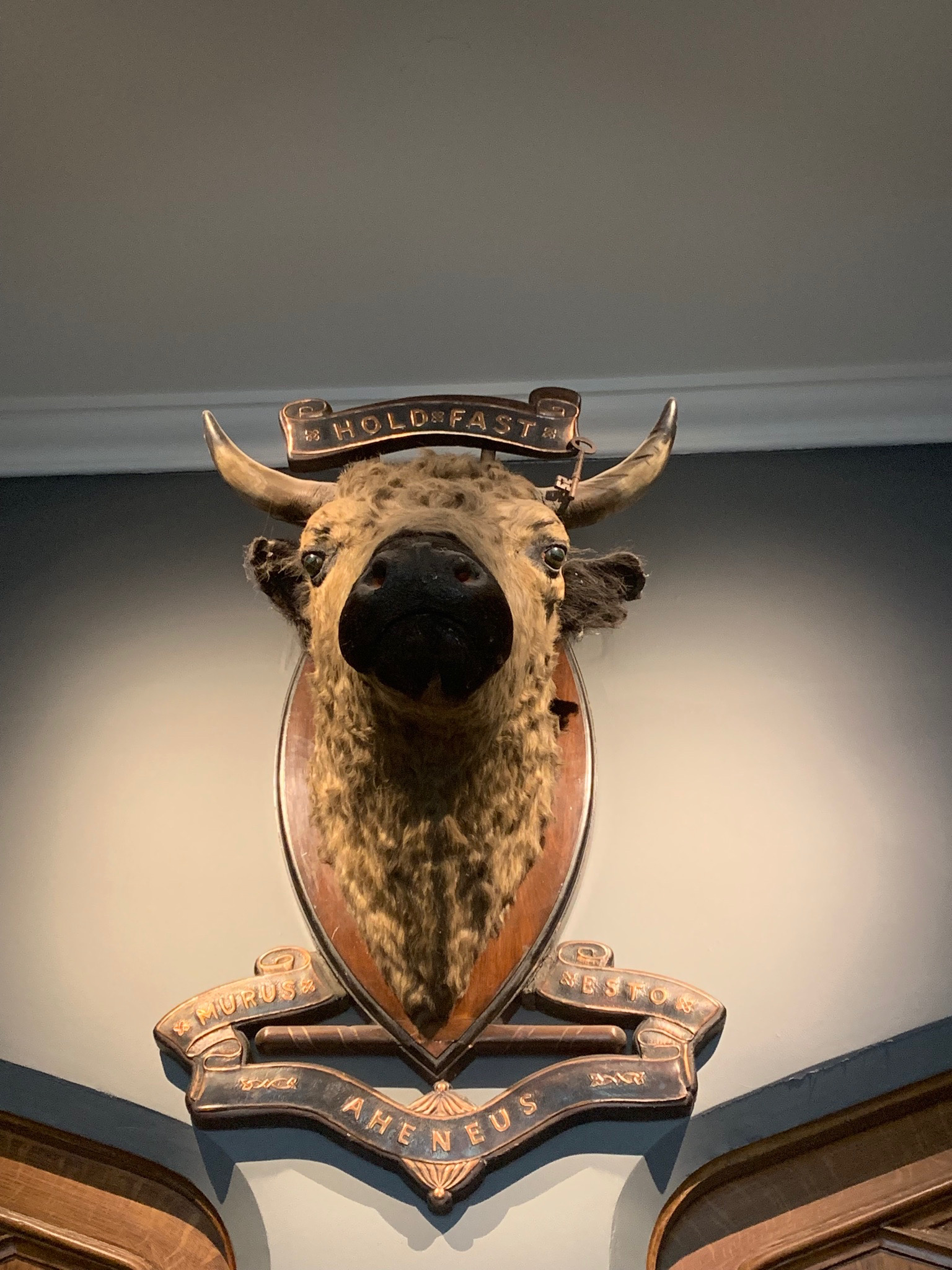
Dunvegan Castle is the beating heart of Clan MacLeod. Perched above Loch Dunvegan, it has been continuously inhabited by the clan chiefs for over 800 years, making it the oldest such residence in Scotland. The castle’s fairy-tale towers and battlements, remodeled in the 19th century, hold treasures like the Fairy Flag—said to bring victory in battle—and the Dunvegan Cup, a ceremonial relic from the Middle Ages.
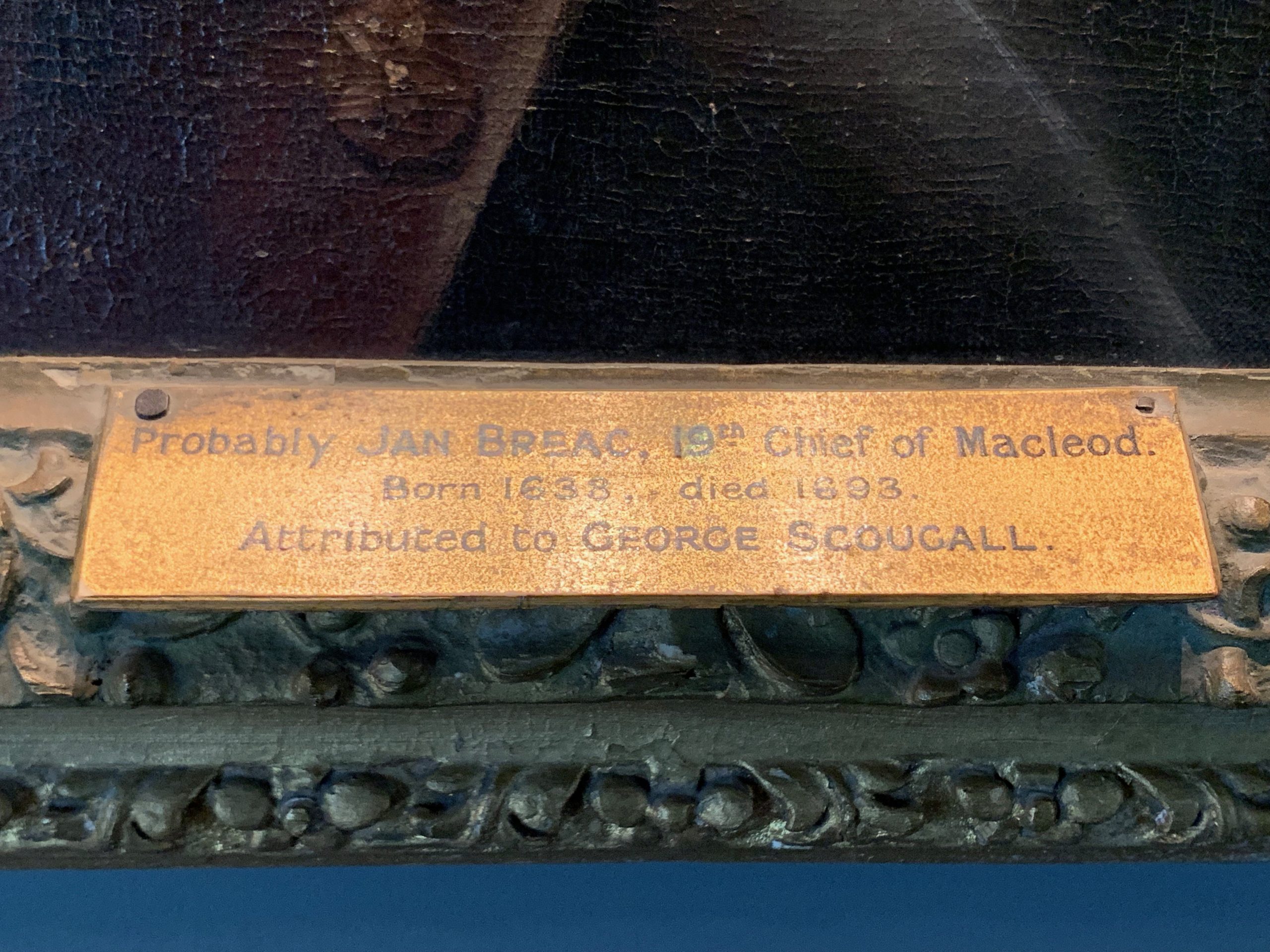
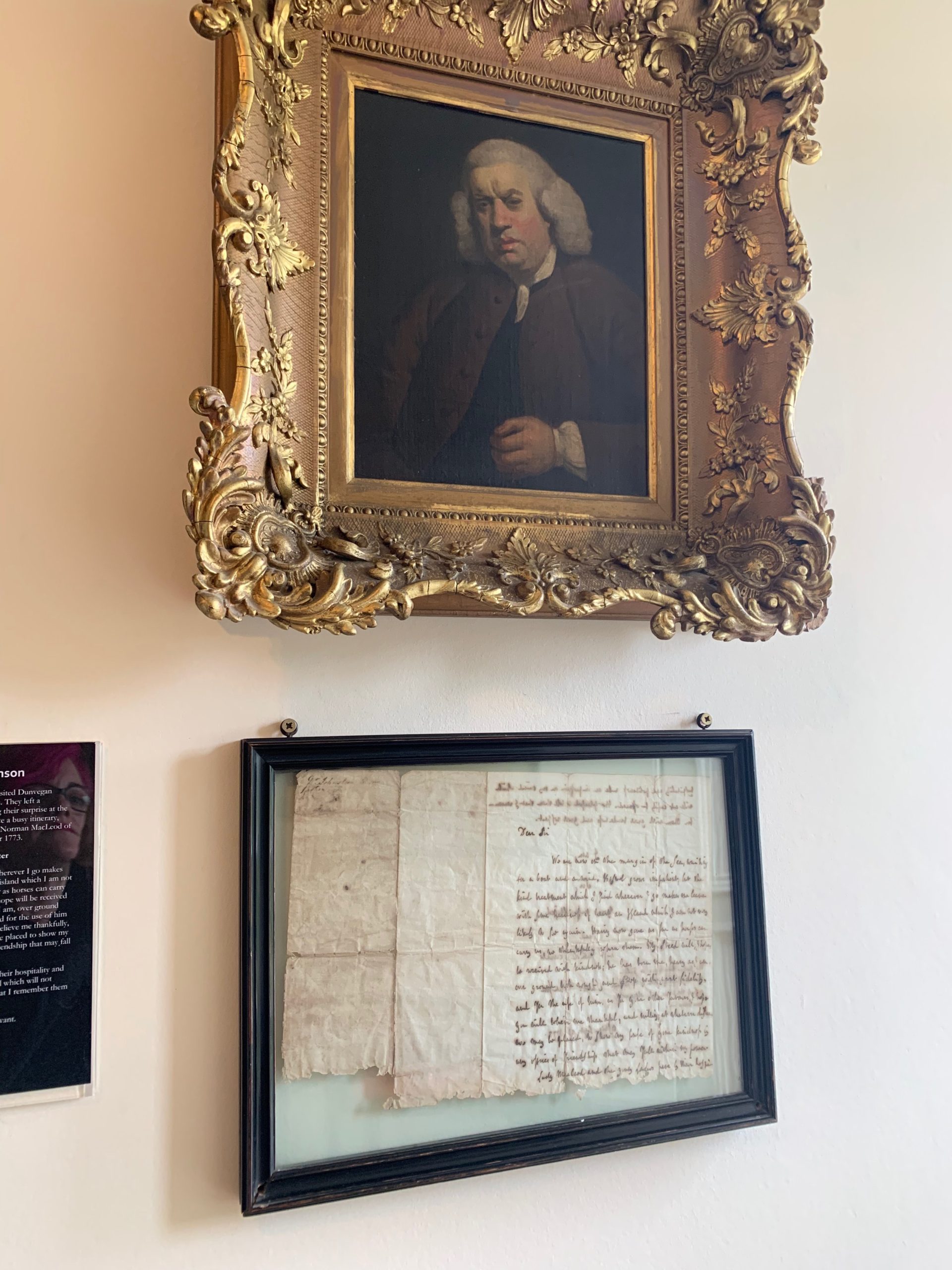
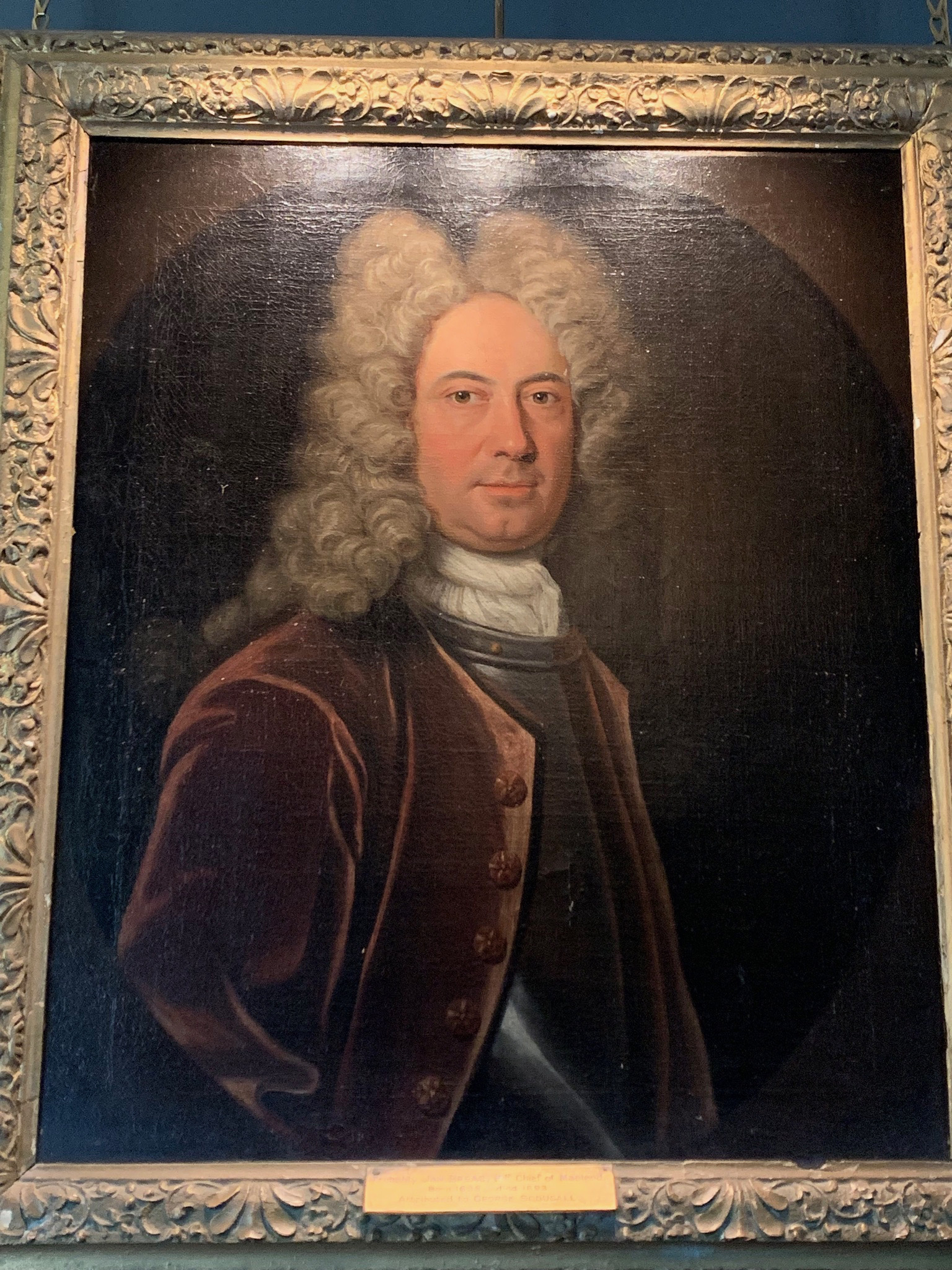
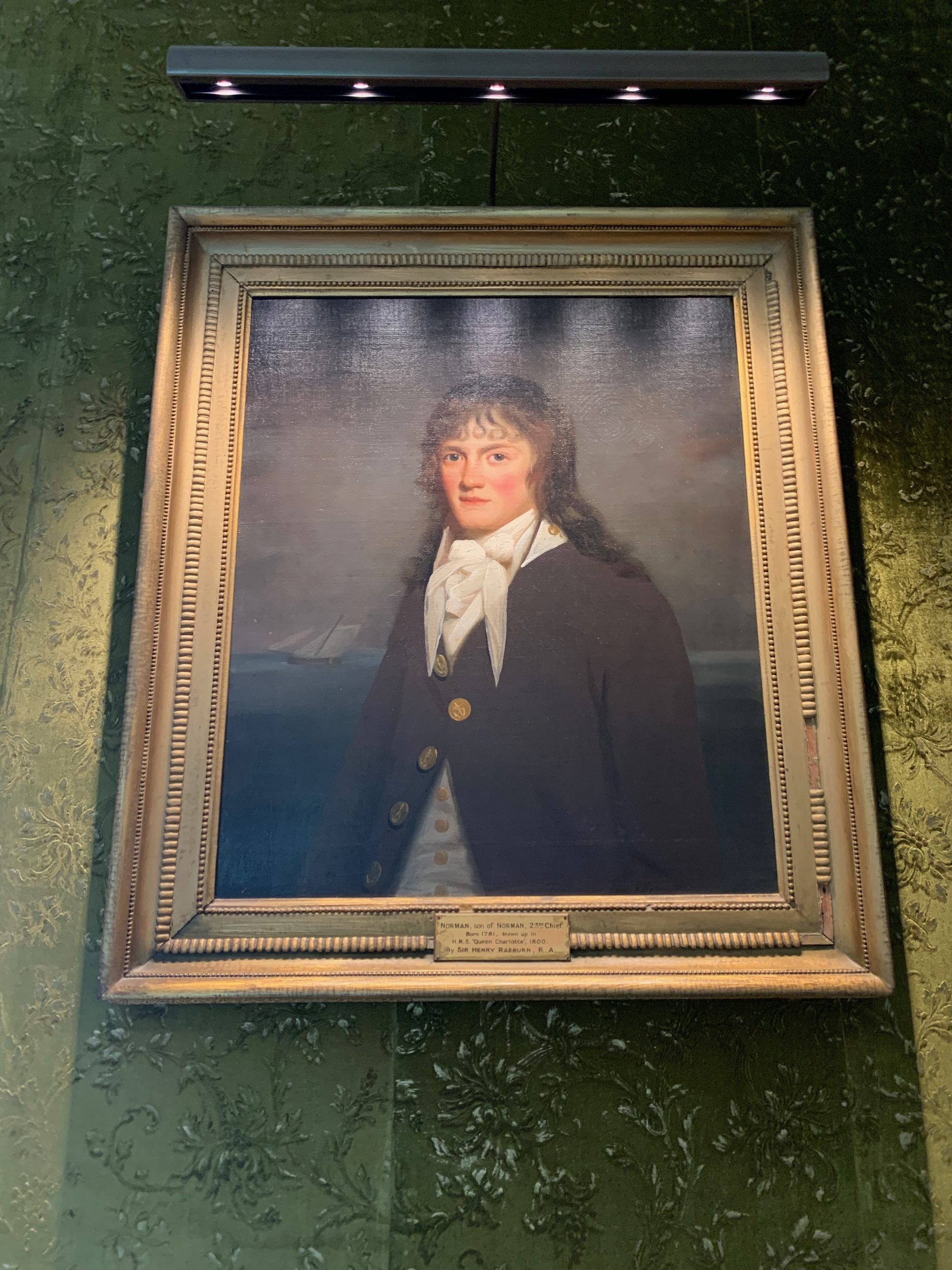
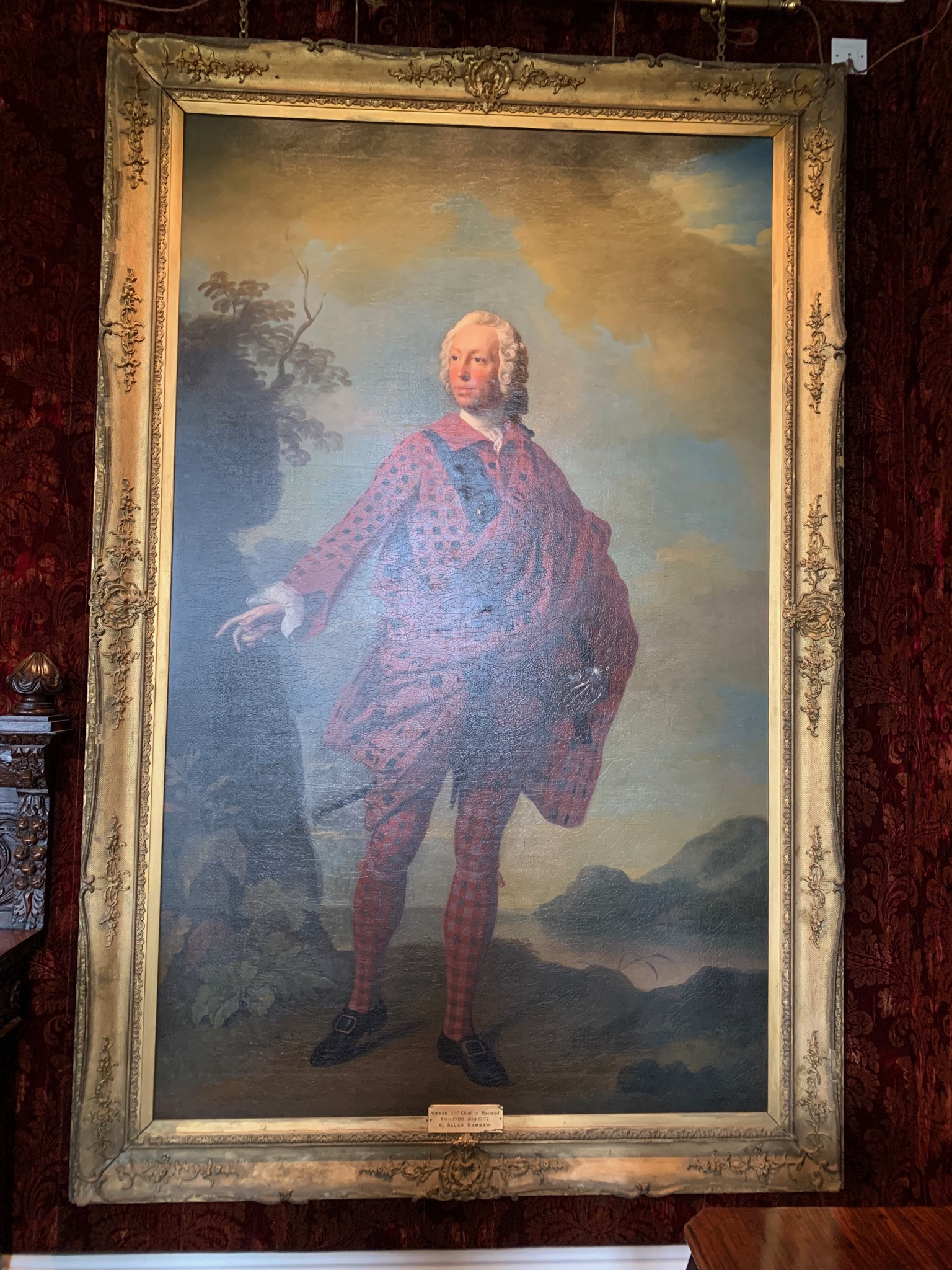
Walking through its halls, Jennifer and I felt the presence of her ancestors: warriors, poets, and leaders who shaped the clan’s legacy. The MacLeods of Dunvegan, Harris, and Glenelg (Siol Tormoid) were known for their fierce independence and cultural patronage. The piping college they established, with the MacCrimmons as hereditary pipers, remains a cornerstone of Highland musical tradition.

🛡️ Clan MacLeod and Clan MacGregor: Kinship and Contrast
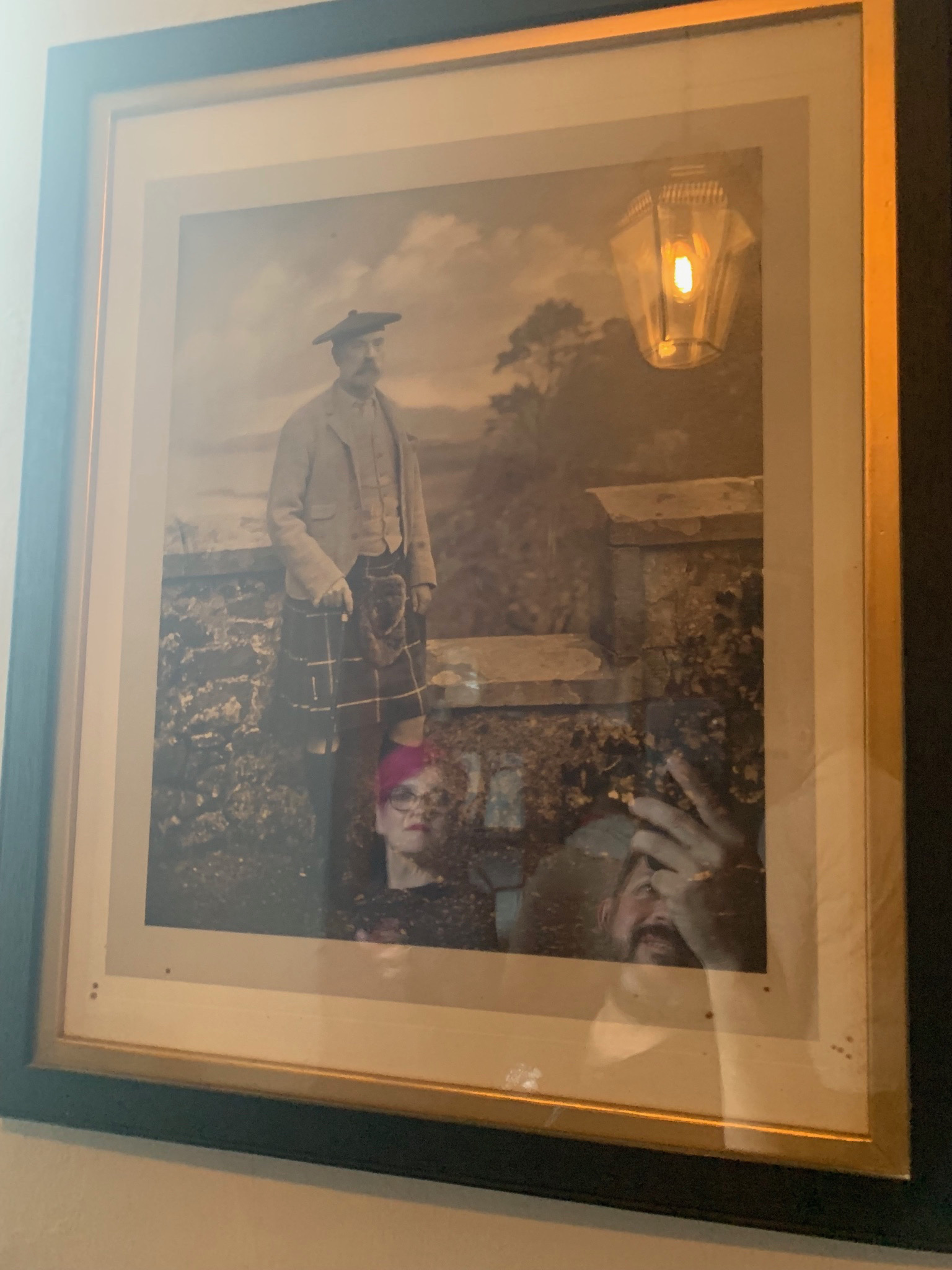
While Jennifer’s heritage ties her to the MacLeods, my own lineage traces back to Clan MacGregor—a name once outlawed, yet never erased. The MacGregors, descended from the ancient kings of Dalriada, were known for their defiance and resilience. Their motto, “‘S Rioghal Mo Dhream” (“Royal is my race”), speaks to a proud lineage that endured centuries of persecution.
In the early 1600s, the MacGregors were stripped of their name and lands by royal decree, forced to live under aliases and hunted for their identity. Yet they survived, and eventually reclaimed their name in the 18th century. My connection to Clan MacGregor is a reminder that heritage is not just about castles and titles—it’s about endurance, honor, and the refusal to be forgotten.

🌄 Skye’s Surroundings and the Highland Clearances
The Isle of Skye, like much of the Highlands, bears the scars of the Highland Clearances. In the 18th and 19th centuries, clan chiefs—including those of MacLeod—faced economic pressures that led to the eviction of thousands of crofters. Communities like Glendale, near Dunvegan, became centers of resistance. The Glendale Martyrs, crofters who defied eviction orders, helped spark land reform movements that reshaped rural Scotland.
Today, these communities are vibrant and resilient. Crofting continues, and cultural traditions thrive. The Clan MacLeod diaspora returns every four years for the Clan Parliament at Dunvegan—a celebration of kinship and continuity. And for those of us with Highland roots, the land still speaks.
As Jennifer and I stood hand in hand at Dunvegan Castle, the past felt close. Her MacLeod ancestry, my MacGregor heritage, and the enduring spirit of the Highlands all converged in that moment. Our engagement was more than a promise—it was a tribute to history, to family, and to the land that shaped us both.
If you ever find yourself on the Isle of Skye, let Dunvegan Castle be more than a stop. It’s a place to connect, reflect, and perhaps, like us, begin a new chapter rooted in something timeless.
Leave a reply
You must be logged in to post a comment.