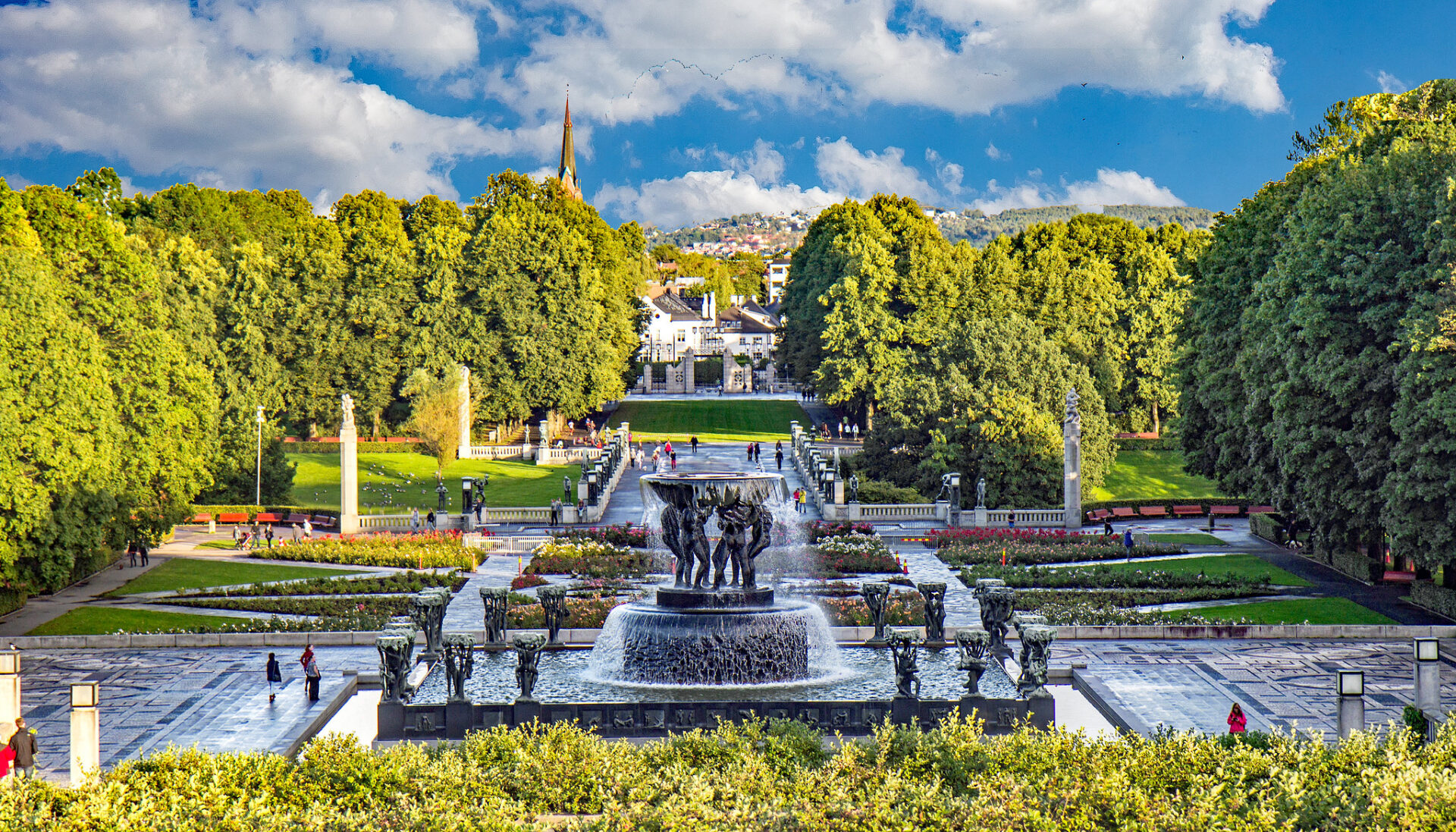

I walked into Vigeland Sculpture Park expecting a peaceful morning stroll. You know — trees, birds, maybe a statue or two of someone looking noble and Scandinavian. Instead, I found myself face‑to‑face with a bronze baby having a meltdown so dramatic it could win an Oscar. Welcome to Oslo’s most iconic sculpture park, where Gustav Vigeland apparently decided that human emotions should be immortalized in the most unfiltered way possible.

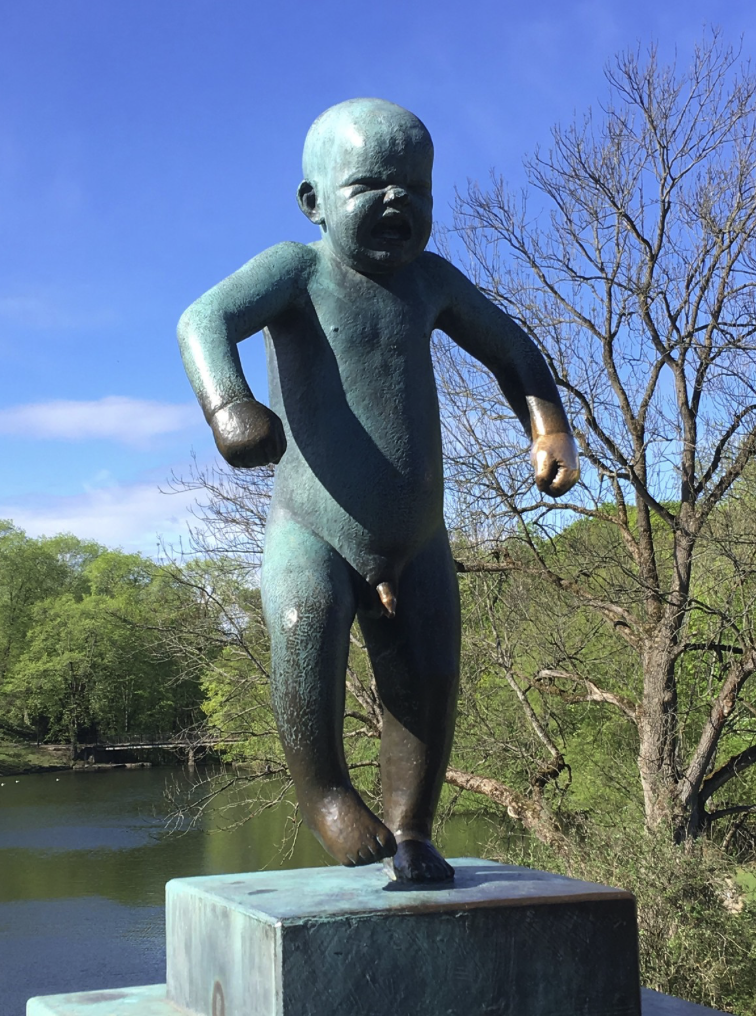
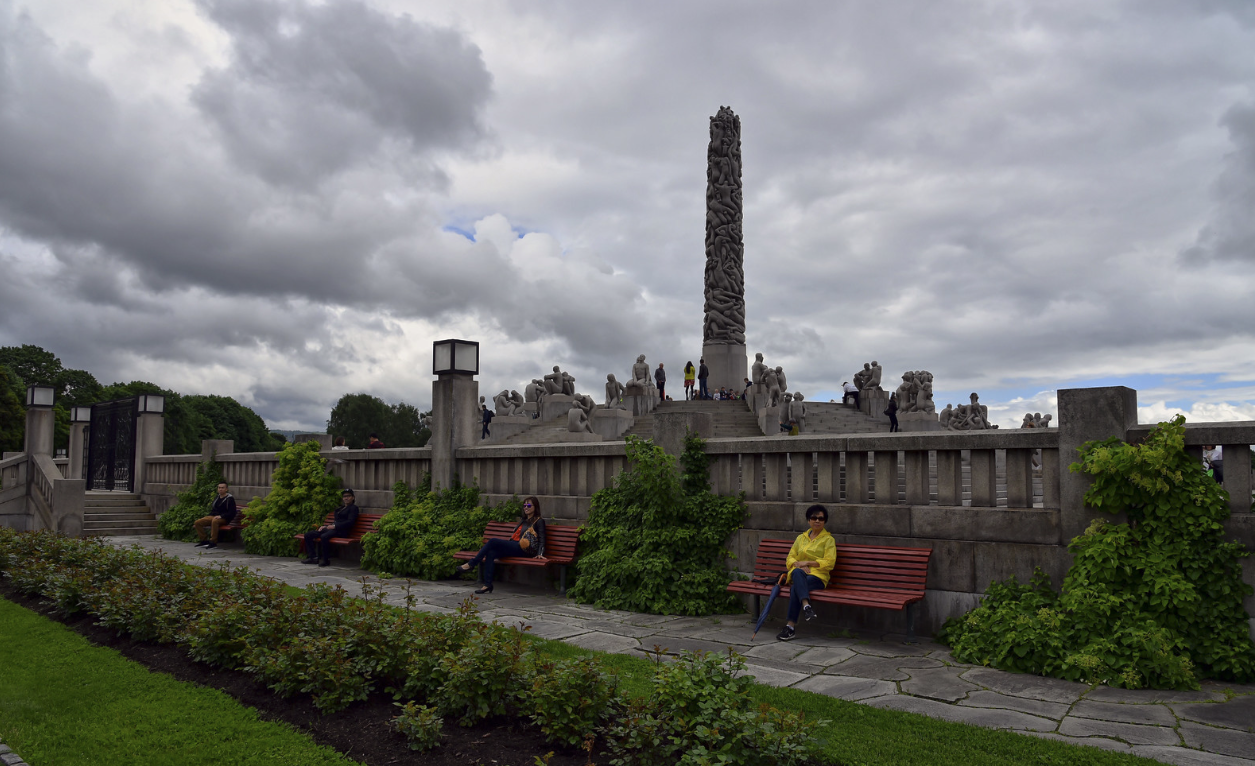
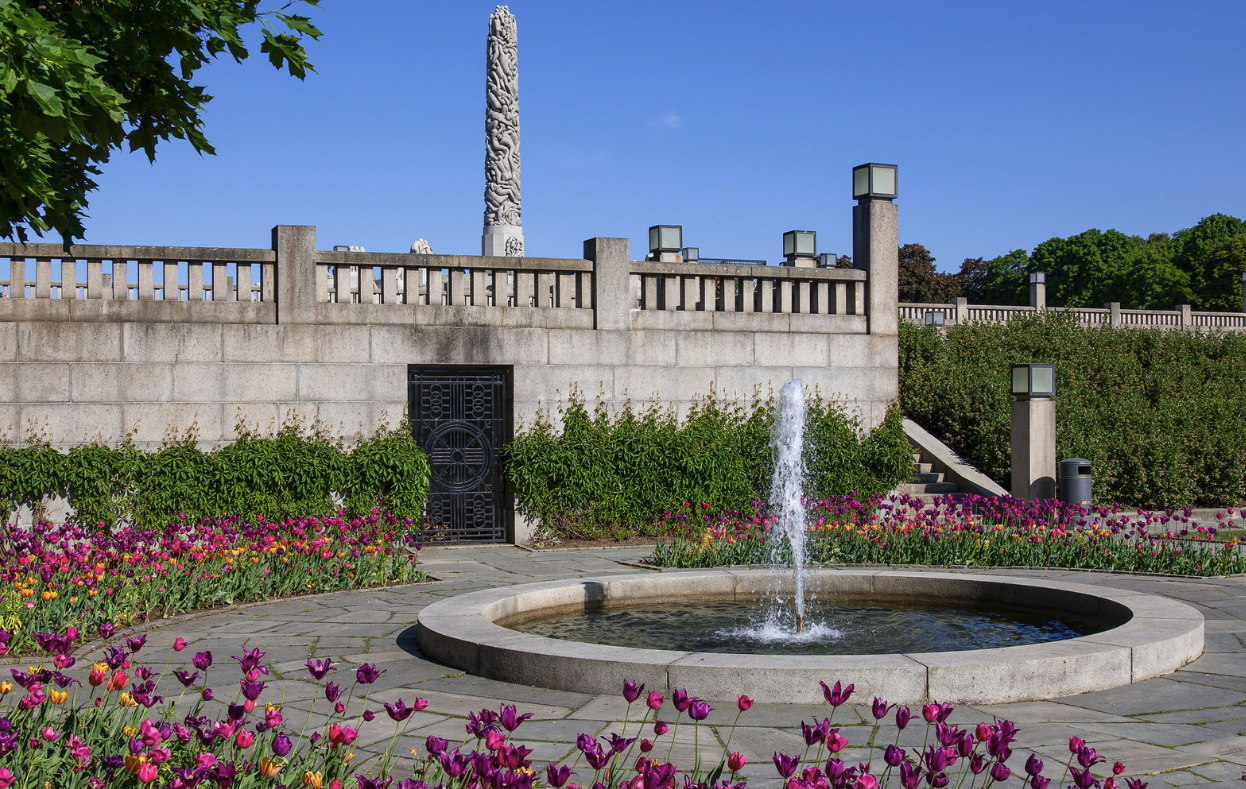
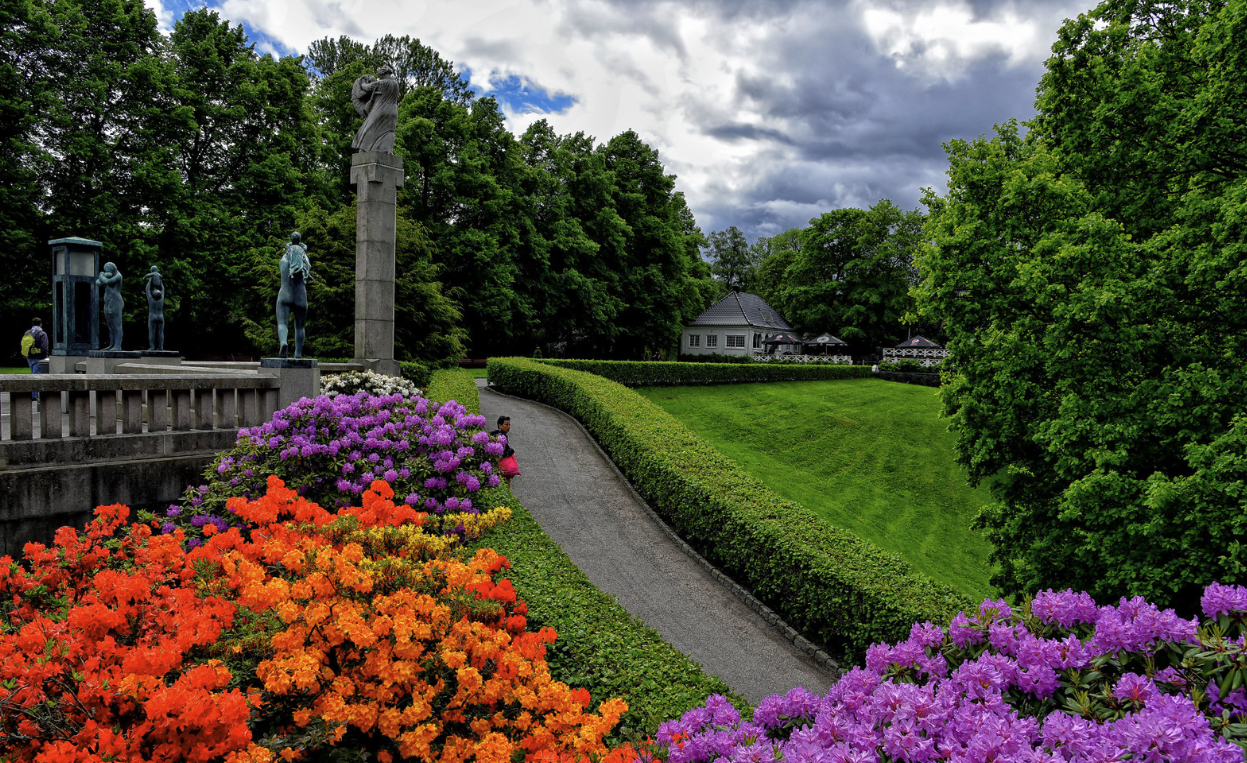
As I wandered deeper, I realized this wasn’t just a park. This was a full‑blown emotional obstacle course. One minute I was admiring a serene figure contemplating life, and the next I was staring at a man juggling babies like he was auditioning for a very questionable circus. I kept thinking, “Is this art? Is this therapy? Should I be taking notes?”
Then came the Monolith — a 46‑foot tower of intertwined human bodies stretching toward the sky like a giant existential Jenga tower. I stood there trying to look intellectual while internally thinking, “Same, honestly. This is exactly how I feel trying to get out of bed.”
But here’s the thing: the longer I stayed, the more it all made sense. The sculptures are raw, weird, and weirdly relatable. It’s like Vigeland cracked open the human psyche and said, “Let’s make this public.” By the time I left, I felt oddly connected to humanity, slightly confused, and very ready for a snack. Which is how all great art should leave you.
👑 Slottsplassen — My Royal Stroll Through Oslo’s Chillest Palace Grounds
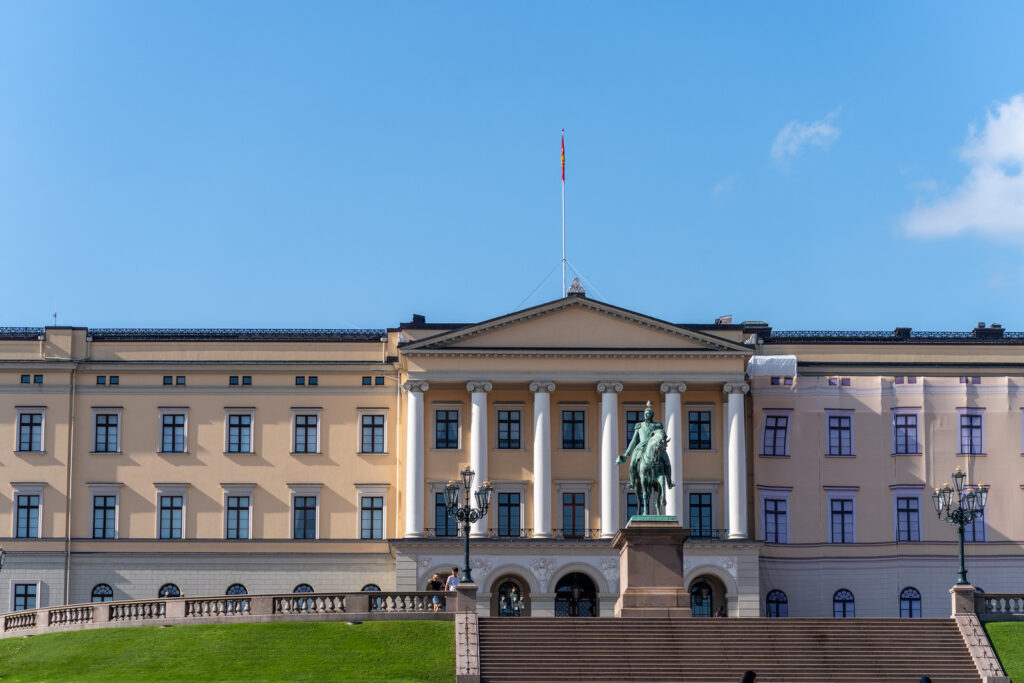
After my emotional awakening in Vigeland, I made my way to Slottsplassen — the Royal Palace grounds — where I immediately decided I should probably become royalty. The palace sits at the end of Karl Johans gate like a giant pastel‑yellow reminder that Norway does monarchy differently. No drama. No gold-plated excess. Just vibes.
I wandered up the main path feeling like I should be wearing a cape or at least walking slower for dramatic effect. The palace guards were doing their thing — precise, focused, and somehow managing to look both intimidating and extremely polite. I watched the changing of the guard, which felt like the British version but without the theatrical intensity or hats that look like they escaped from Sesame Street.
What surprised me most was how open everything felt. No fences. No “keep out” signs. Just a quiet, mutual understanding that you’re welcome to wander as long as you don’t try to storm the palace and ask the king what moisturizer he uses. (I assume it’s something Nordic and expensive.)
The gardens behind the palace were the real treat — winding paths, towering trees, and locals walking dogs that were, frankly, better groomed than I was. I sat on a bench pretending I was in a Scandinavian adaptation of The Crown, waiting for someone to approach me with urgent royal business. No one did, but the fantasy was nice.
Eventually, hunger won out, and I headed toward Bjørvika for lunch — because nothing says “royal experience” like avocado toast by the fjord.
🍽️ Lunch at Bjørvika — Where I Ate, People‑Watched, and Questioned My Architectural Knowledge
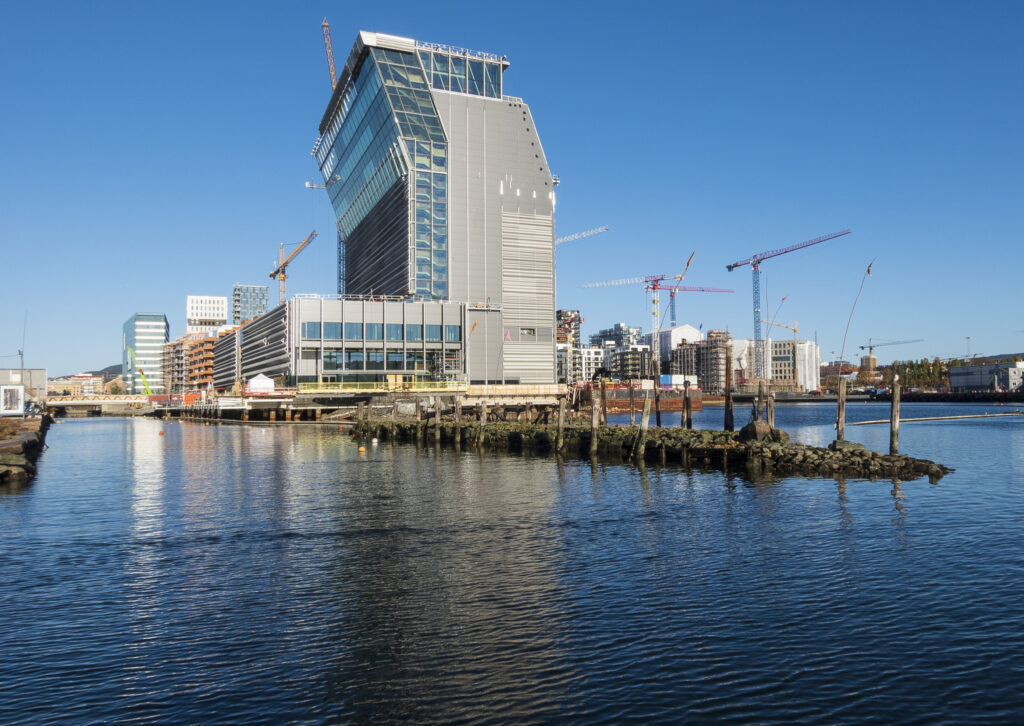
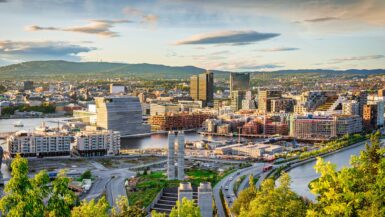
Bjørvika is the kind of place that makes you feel like you should be more successful than you are. The buildings are sleek, the people are stylish, and even the seagulls look like they have strong opinions about modern design.
I wandered into the Barcode district, which looks like a row of skyscrapers that got into a very organized formation. I grabbed lunch at a café where everything on the menu sounded like it had been curated by someone who composts religiously and owns at least one linen jumpsuit. I ordered something involving salmon — because when in Norway, you eat salmon or you go home.
As I sat by the window, I watched locals glide by on bicycles, sipping coffee like they were born caffeinated. The whole area buzzed with this effortless cool that made me consider taking up minimalism, even though I know deep down I’m a maximalist with too many opinions and too many snacks.
The best part was the view — the fjord stretching out in front of me, the Opera House gleaming like a giant iceberg designed by someone with a very expensive degree, and boats drifting by as if auditioning for a postcard.
Fueled by salmon and self‑confidence, I headed toward the harbor for my next adventure: an Oslofjord cruise that promised “relaxation, scenery, and possibly seagull drama.”
⛴️ Oslofjord Cruise — The Moment I Became a Fjord Person
After lunch, I made my way to the harbor for the Oslofjord cruise, which I had been picturing as a serene, postcard‑worthy glide across calm waters. And honestly? That’s exactly what it was — except with more seagulls aggressively auditioning for the role of “Most Chaotic Bird.”
I boarded one of those elegant wooden sailing ships that look like they were designed for explorers who say things like “Bring me my compass!” The crew welcomed us aboard with the kind of calm confidence that made me think they could probably navigate the fjord blindfolded while juggling smoked salmon.
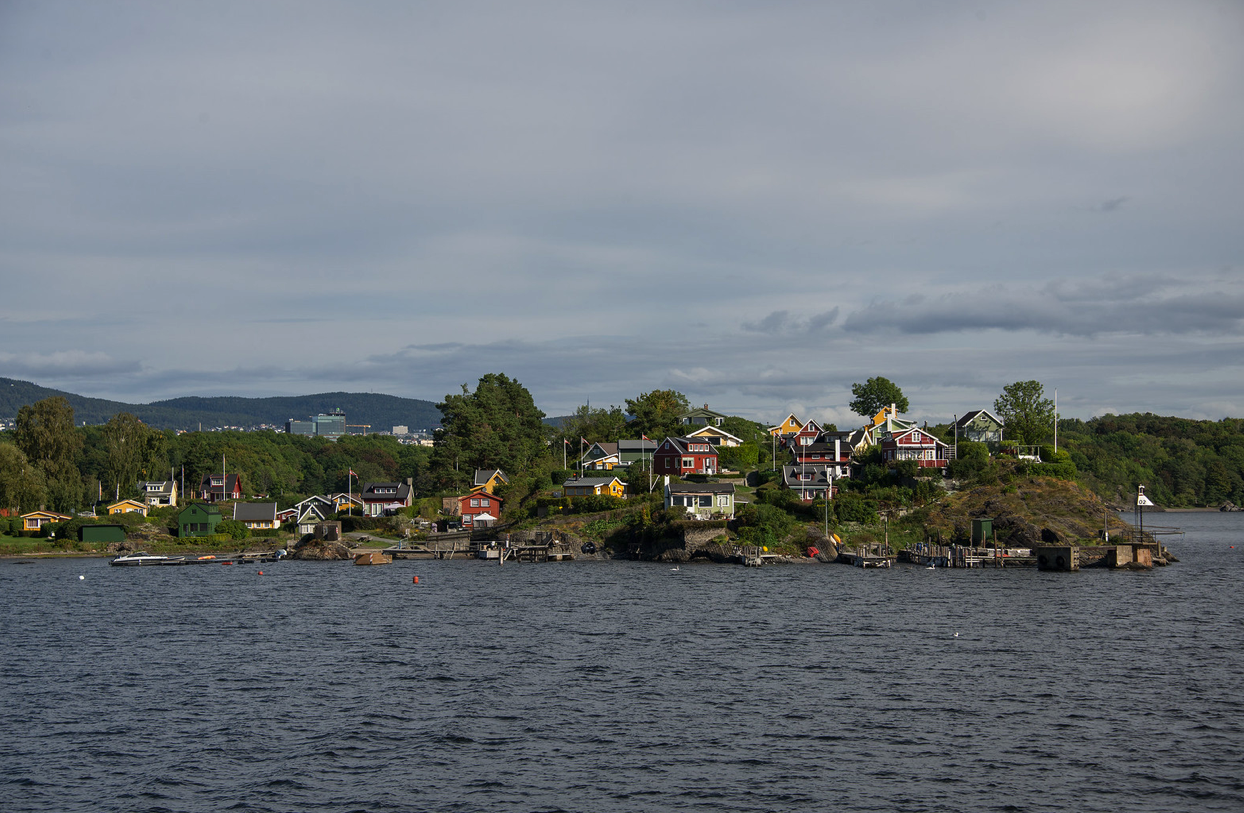
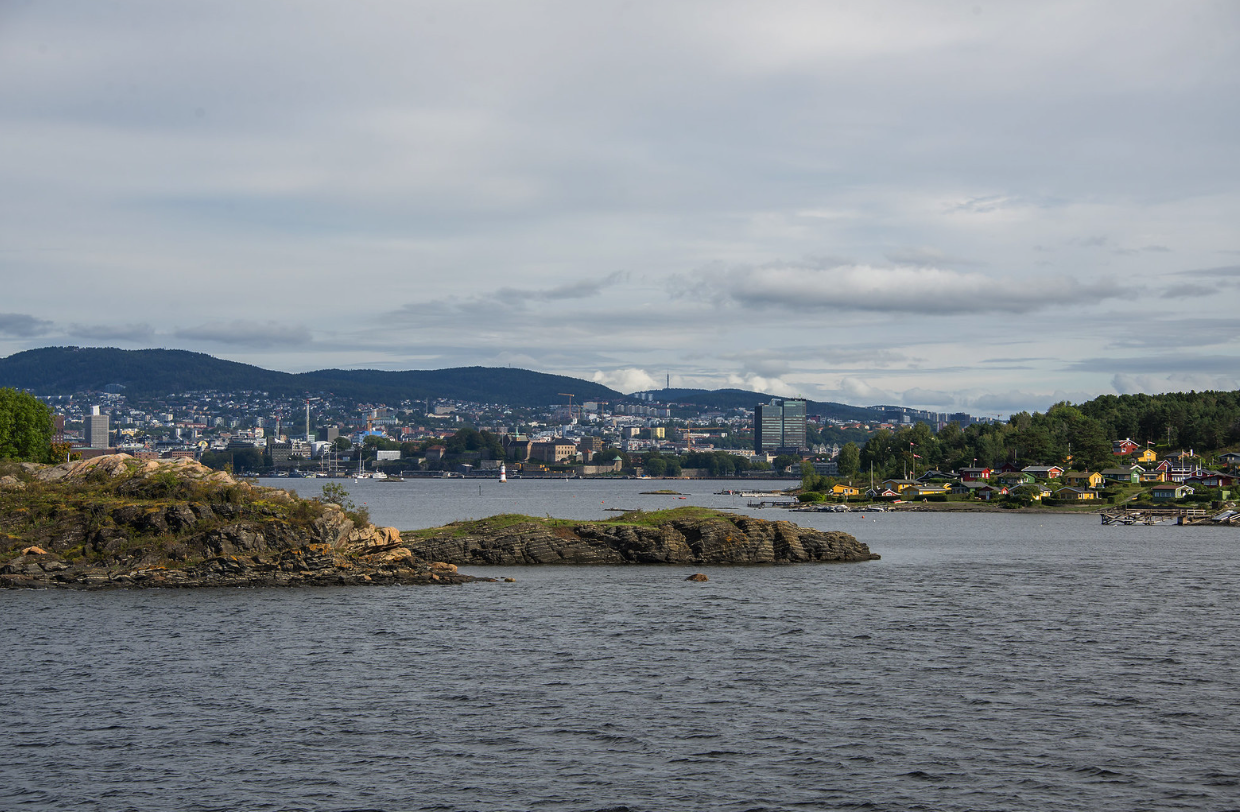
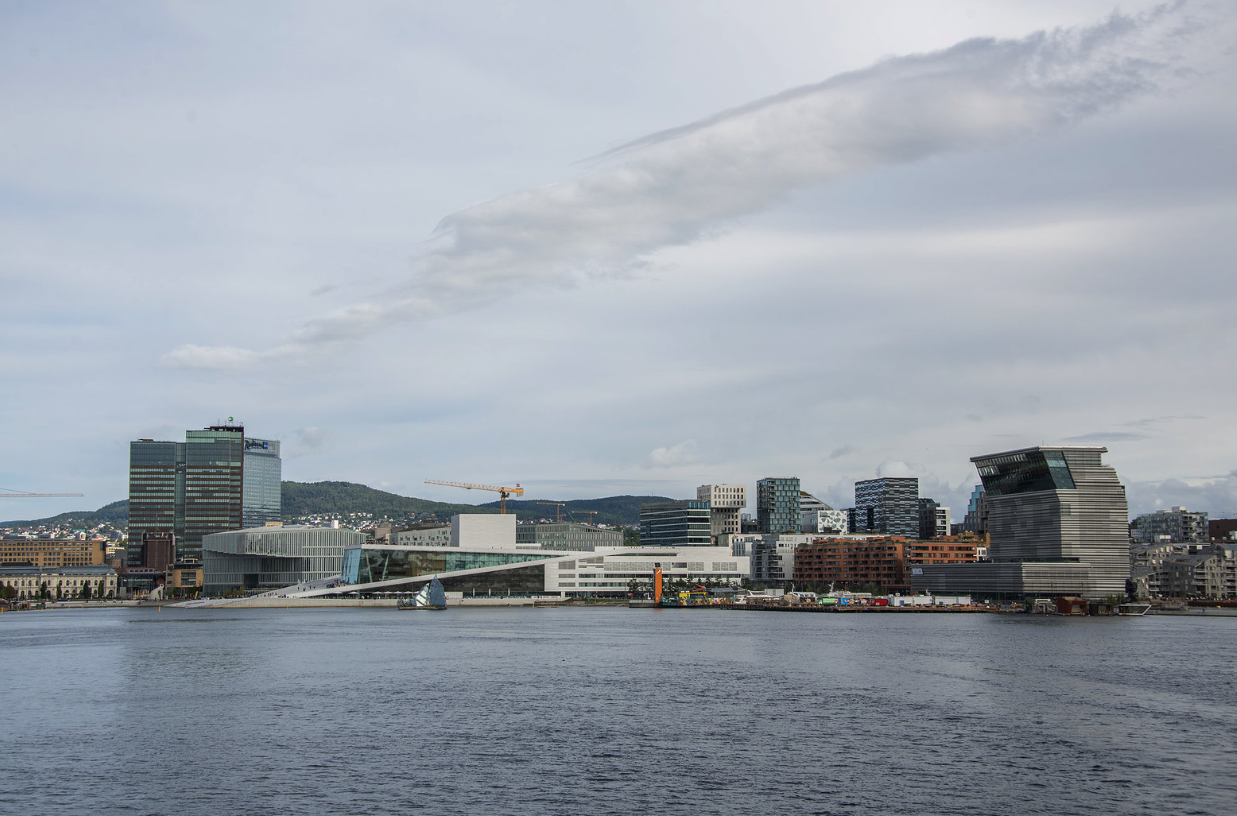
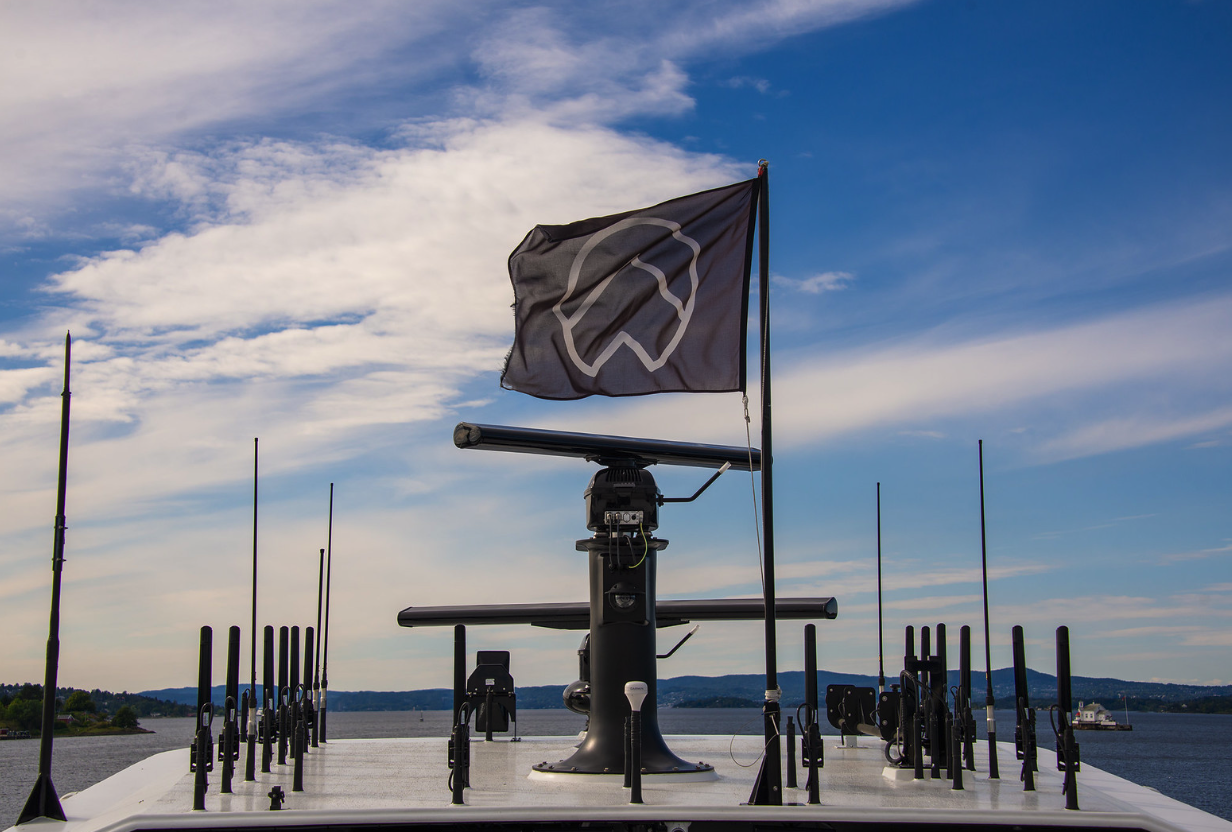
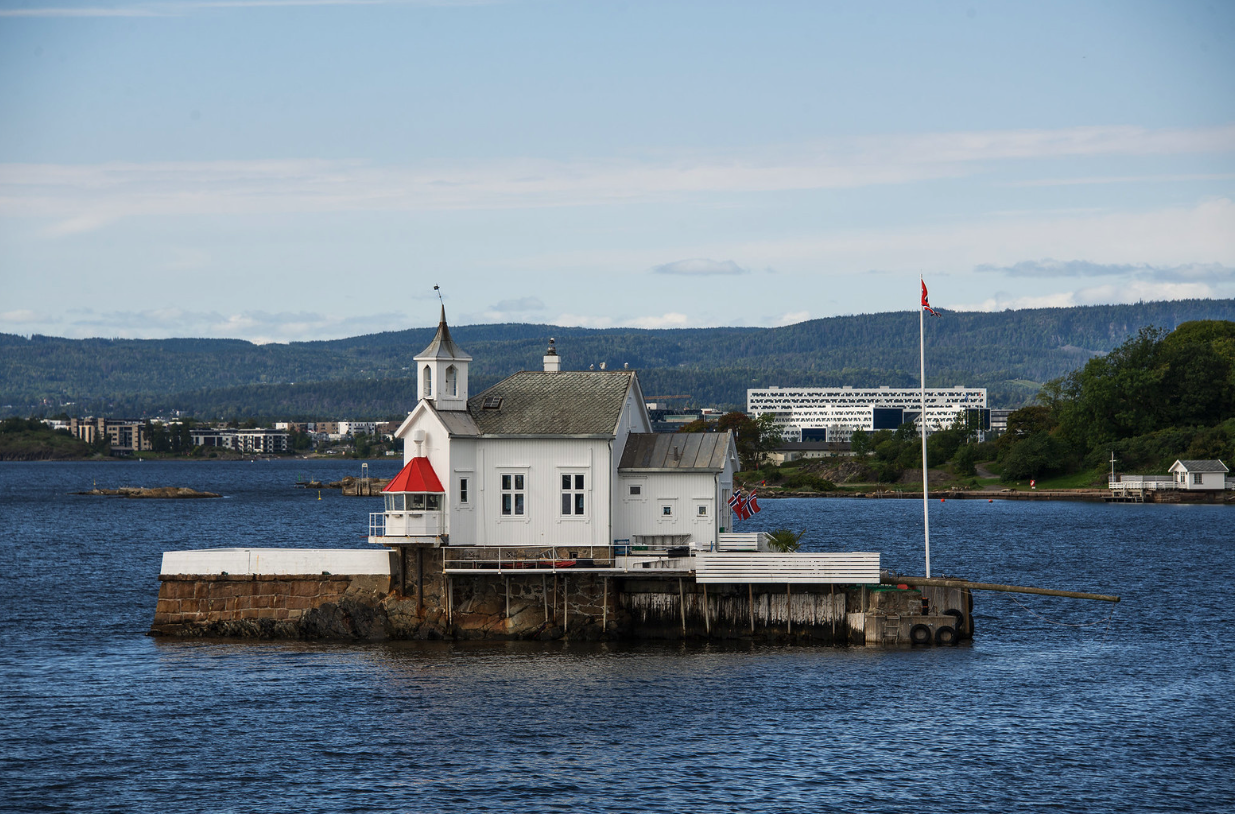
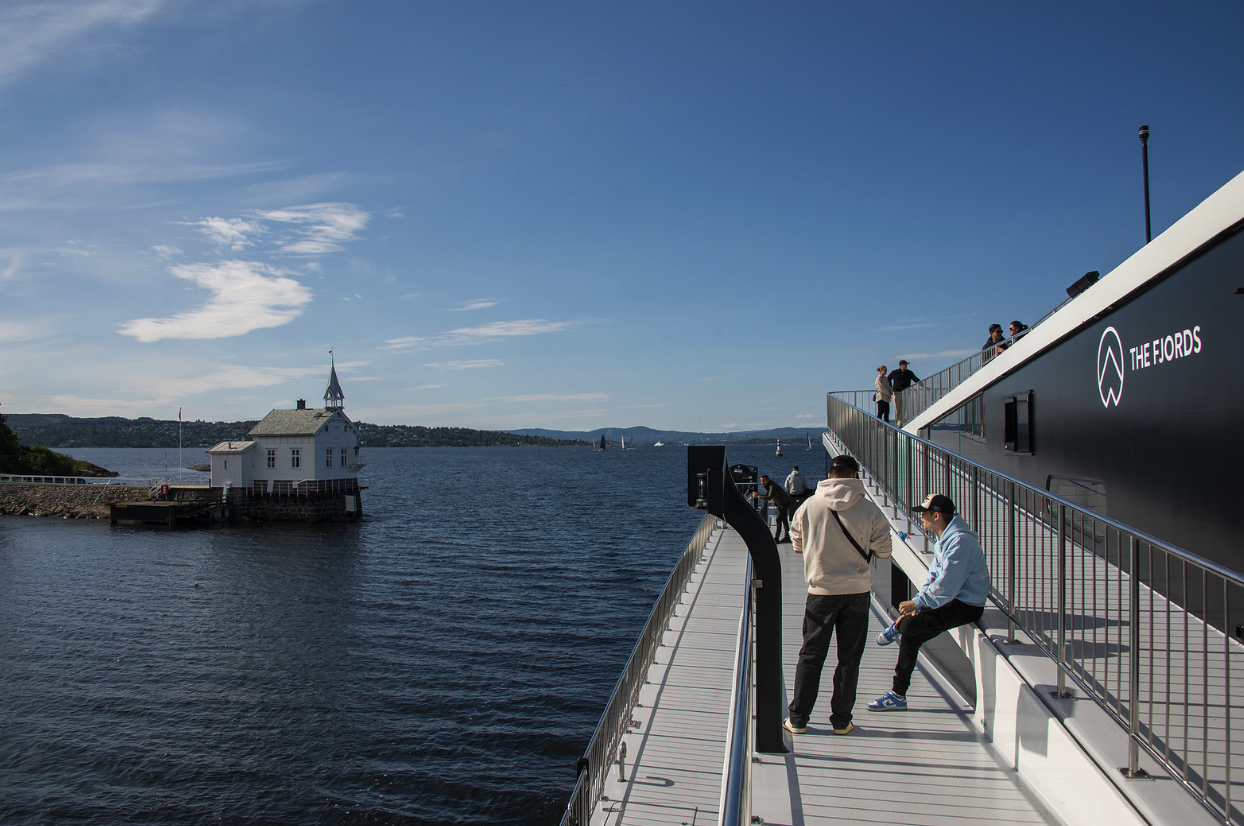
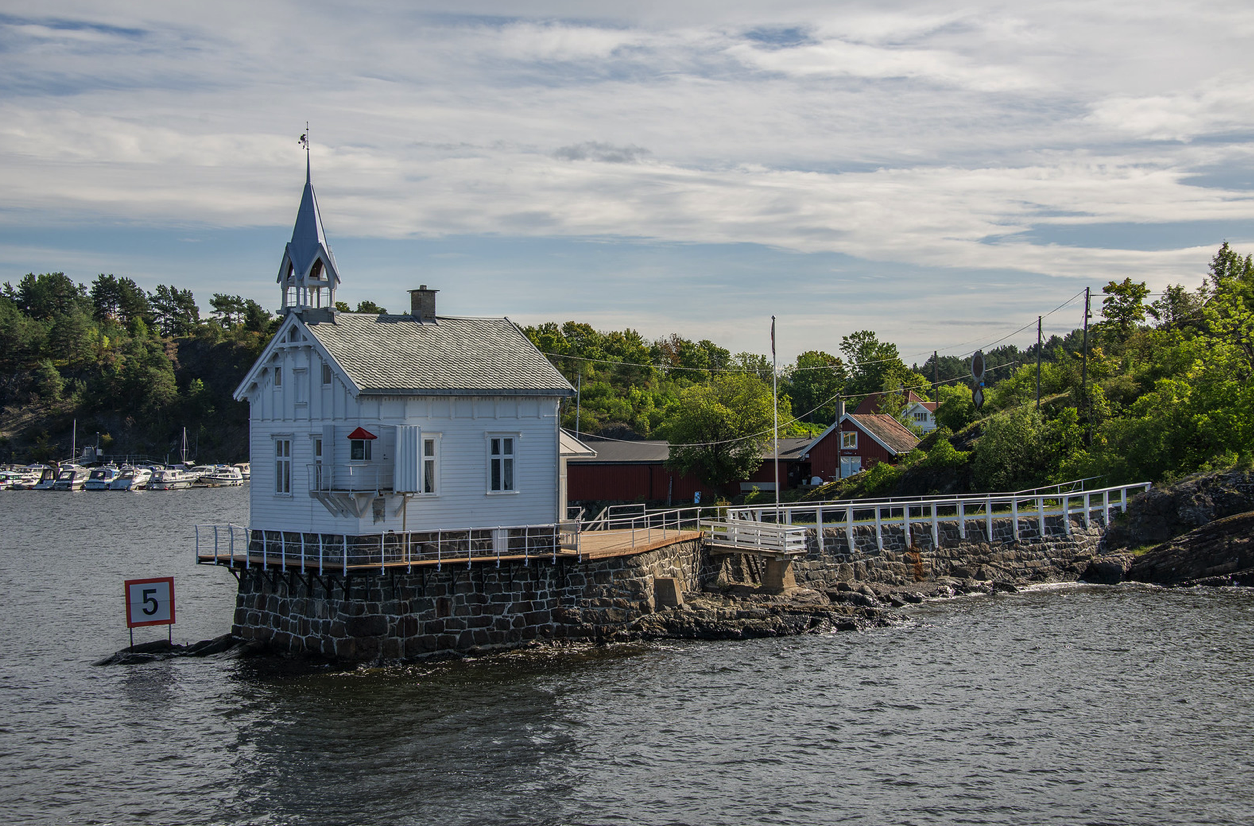
As we pulled away from the harbor, the city slowly transformed behind us — the Opera House gleaming like a giant iceberg, the Barcode buildings standing tall like futuristic dominoes, and the fortress watching over everything like a medieval bouncer. Meanwhile, I was on deck pretending I was in a Nordic version of Pirates of the Caribbean, minus the piracy and eyeliner.
The fjord itself is stunning. The water is so calm it looks like someone ironed it. Tiny islands dot the landscape, each one with a handful of houses that made me wonder what kind of magical life you have to lead to live there. Do they commute by kayak? Do they have mailboxes? Do they ever get tired of the view? (Probably not.)
At one point, the boat slowed near a cluster of islands, and the guide started explaining the history of the fjord. I nodded along like a very attentive student, even though I was mostly distracted by a seagull giving me the side‑eye. I swear that bird was plotting something.
The breeze was perfect — just enough to make me feel alive but not enough to ruin my hair. I leaned on the railing, taking in the scenery, and had one of those dramatic travel‑movie moments where you think, “Yes. This is who I am now. I am a person who cruises fjords.”
By the time we returned to shore, I felt refreshed, slightly windswept, and fully convinced that I should buy a boat. A small one. Maybe inflatable. But still — a boat.
Next stop: a museum that promised to take me through centuries of Norwegian history without requiring me to time‑travel.
🏡 Norwegian Museum of Cultural History — My Time‑Traveling Afternoon
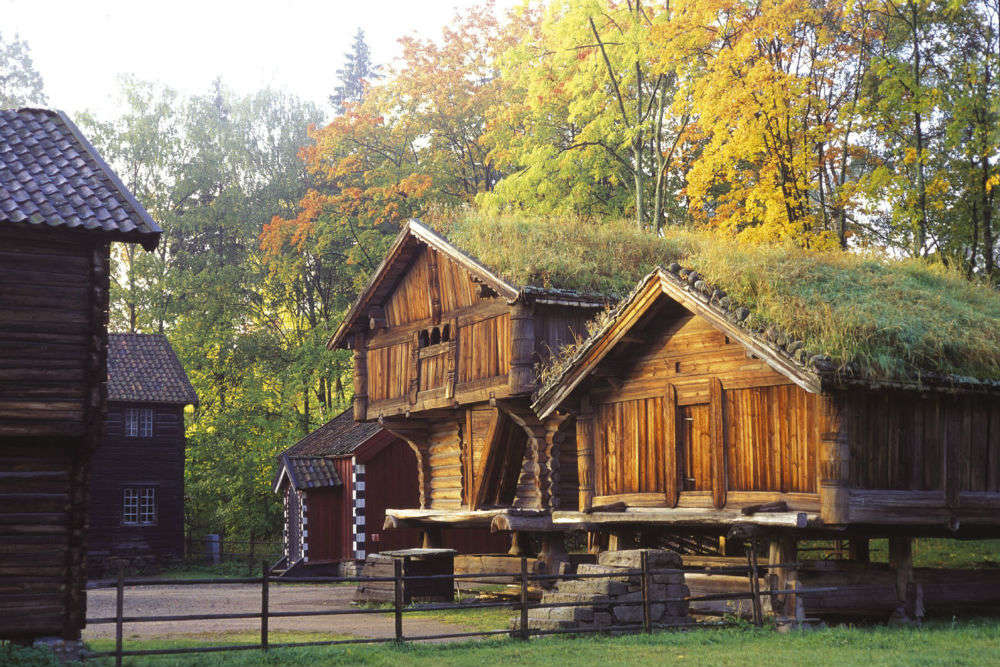
The Norwegian Museum of Cultural History is basically a historical theme park, minus the roller coasters and overpriced churros. It’s an open‑air museum filled with buildings from different eras of Norwegian life, all arranged like a village where time forgot to move forward.
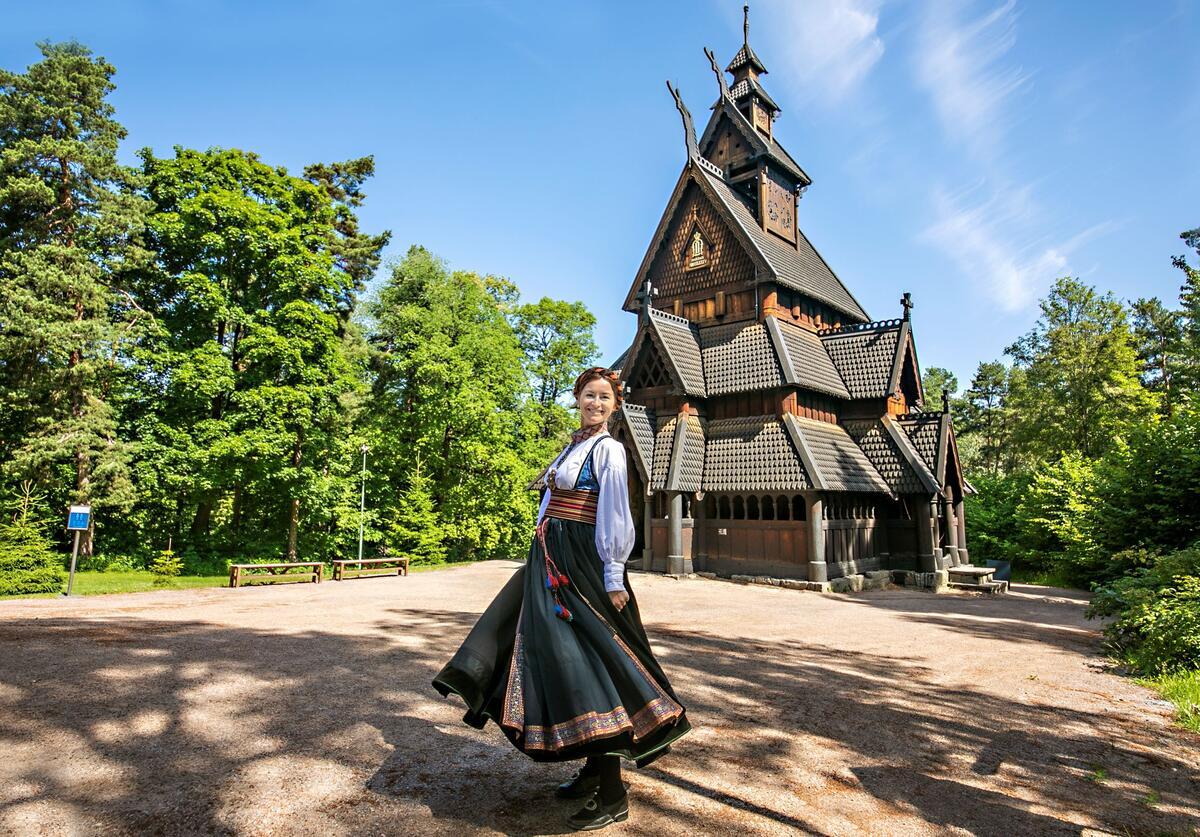
I walked in and immediately felt like I’d stepped into a medieval version of The Sims. There were farmhouses, storehouses, and even a stave church that looked like it was built by someone who wanted to combine architecture with a touch of wizardry. The wood carvings alone made me want to start whittling things, even though I have the hand‑eye coordination of a sleepy raccoon.
As I wandered through the village, I kept expecting someone in traditional clothing to pop out and offer me a wooden spoon or a lesson in butter‑churning. Instead, I got peaceful paths, charming buildings, and the occasional sheep staring at me like it knew my secrets.
Inside the museum buildings, I learned about Norwegian life through the centuries — from Viking‑adjacent vibes to the era of “we heat our homes with fire and hope.” I saw old tools, old furniture, and old clothing that made me grateful for modern fabrics that don’t feel like wearing a burlap sack.
The best part was the stave church. It’s dark, dramatic, and looks like it was designed by someone who wanted to intimidate both humans and trolls. I stepped inside and immediately felt like I should whisper, even though the only other person there was a tourist trying to take a selfie without flash.
By the time I finished exploring, I felt like I’d lived several Norwegian lifetimes. And after all that historical immersion, I was ready for something modern, shiny, and preferably edible.
Which meant it was time for my evening stroll.
🌆 Aker Brygge & Tjuvholmen — My Perfect Oslo Evening
Aker Brygge is where Oslo goes to show off. It’s all waterfront views, sleek architecture, and restaurants that make you feel like you should sit up straighter. I arrived just as the sun was starting to set, which meant everything was glowing in that golden, cinematic way that makes you think, “Wow, maybe I am the main character.”
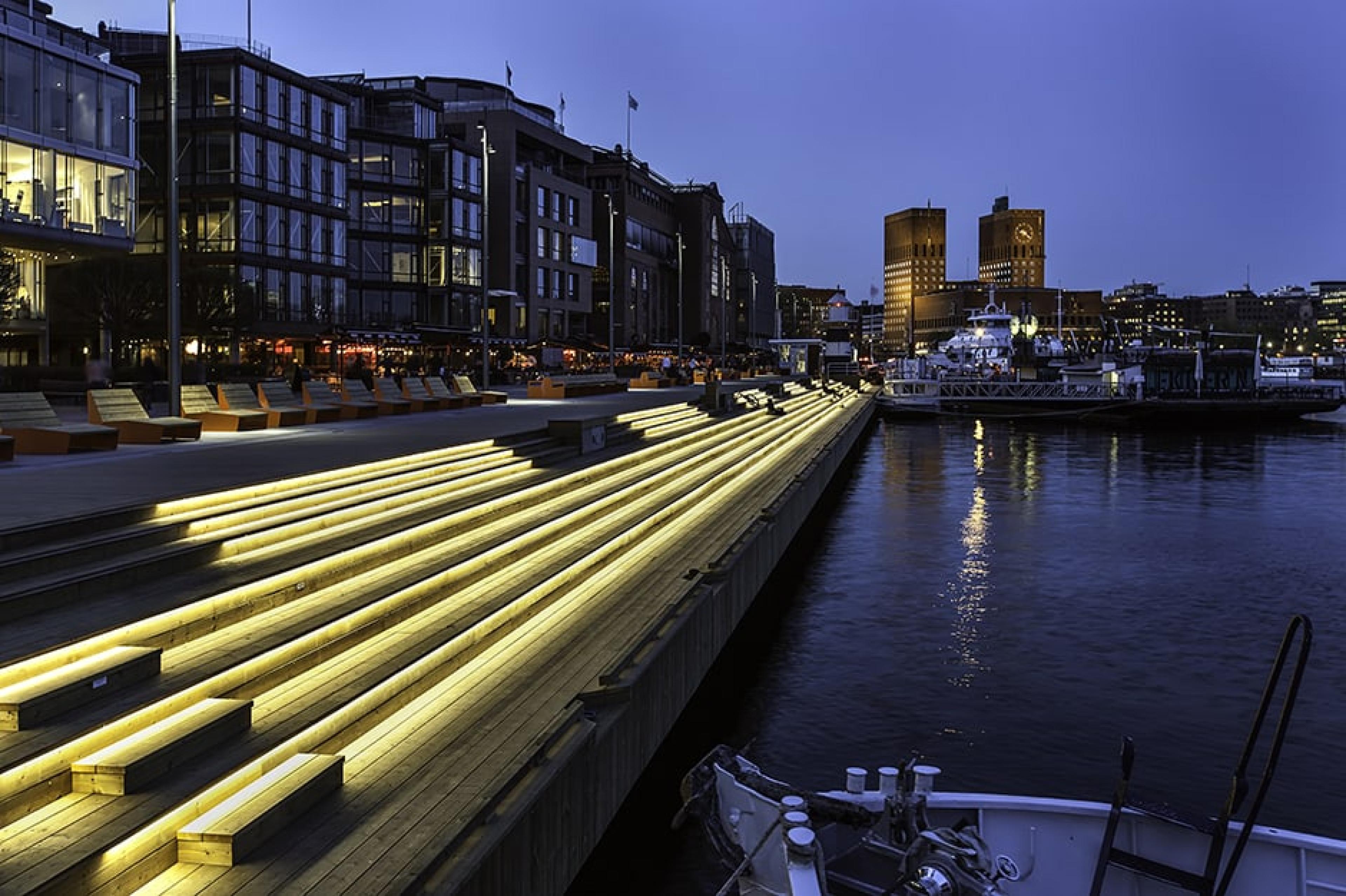
I strolled along the boardwalk, passing people who looked like they had their lives together — couples holding hands, friends laughing over wine, and joggers who somehow weren’t sweating. Meanwhile, I was trying to decide whether I wanted seafood, more seafood, or seafood with a side of seafood.
I eventually picked a restaurant with outdoor seating because nothing pairs better with dinner than a view of the fjord pretending to be a painting. I ordered something delicious (probably involving fish, because Norway) and sat back to enjoy the atmosphere. Boats drifted by. People chatted in a dozen languages. A dog wearing a tiny sweater trotted past like it owned the place.
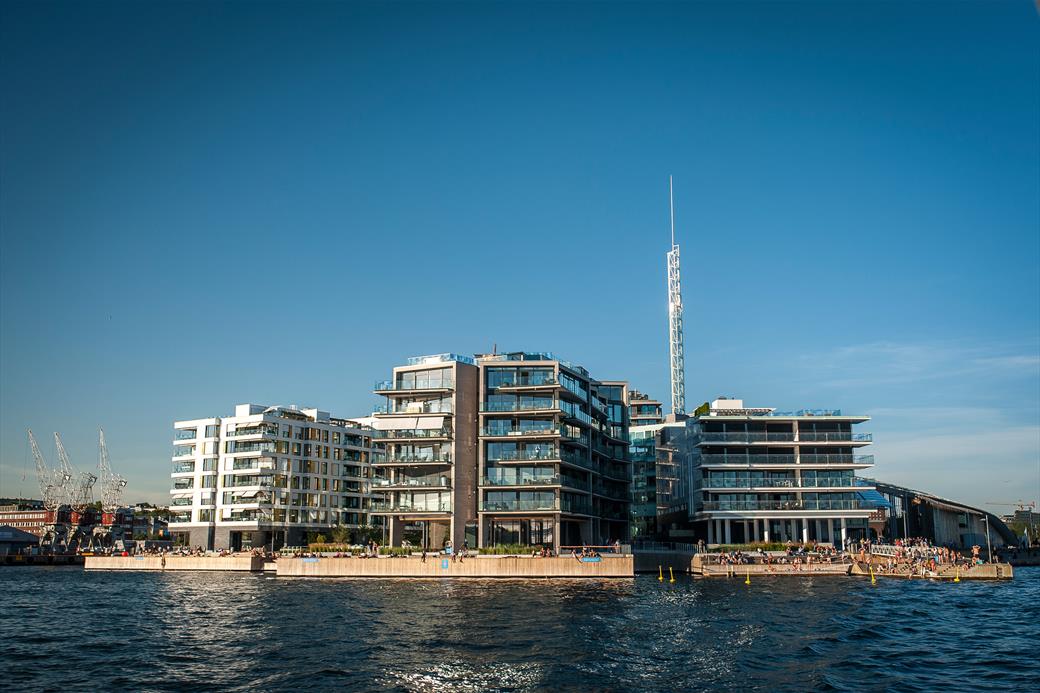
After dinner, I wandered into Tjuvholmen, which is basically Aker Brygge’s artsy sibling. The buildings are modern and stylish, the galleries are intriguing, and the whole area feels like it was designed by someone who really loves geometry. I walked out to the water’s edge, took a deep breath of crisp evening air, and thought, “Yep. Oslo is officially one of my favorite cities.”
And with that, my day came to a perfect close — full of art, history, fjords, food, and just enough chaos to keep things interesting.