
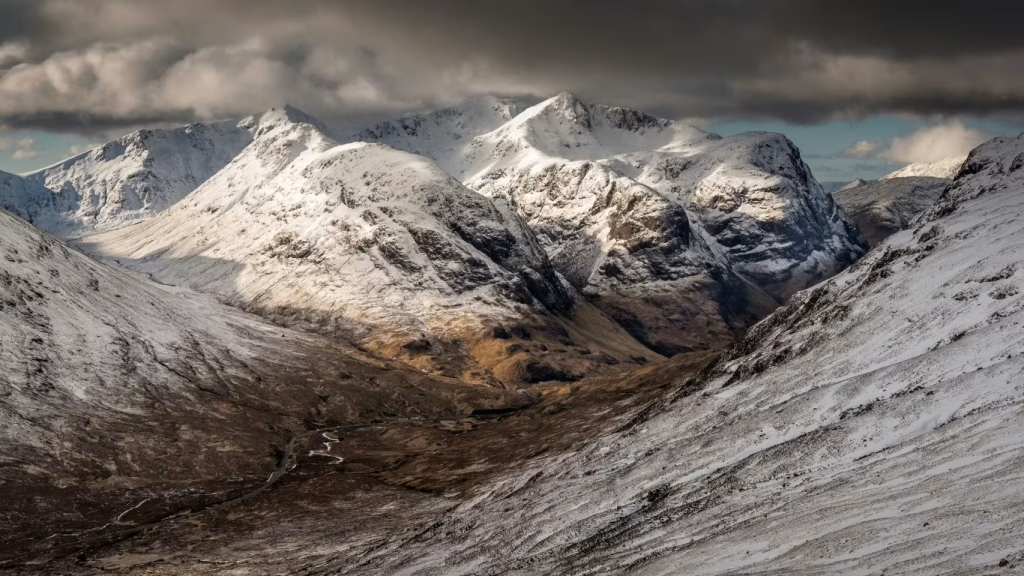
A Valley Betrayed
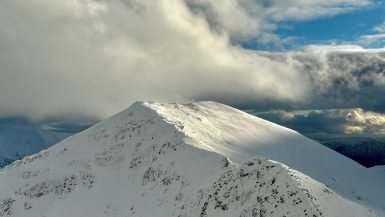
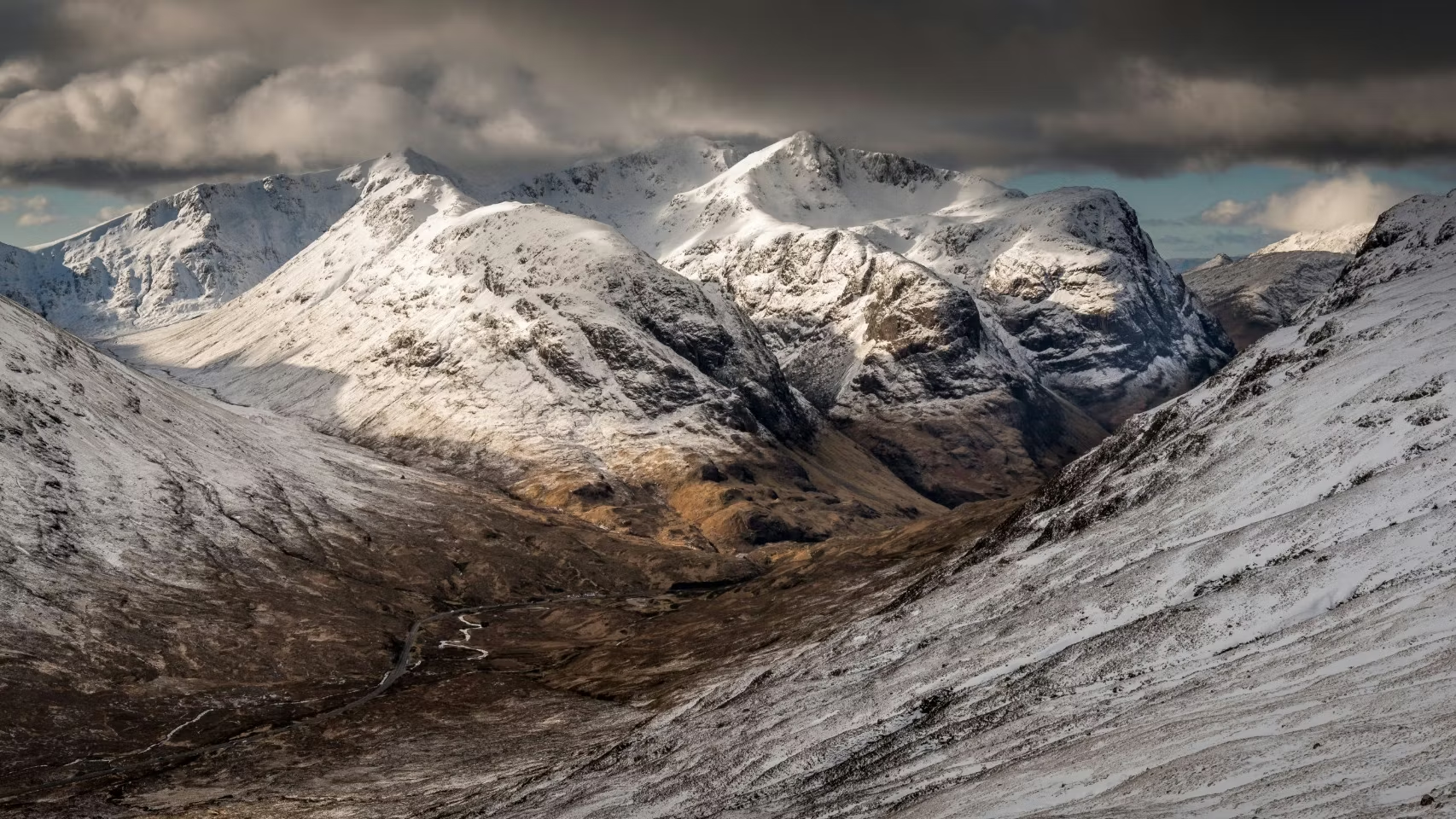
On 13 February 1692, a narrow Highland glen became the site of an act that would lodge itself in Scottish memory as both atrocity and allegory. Glen Coe’s steep slopes and river-carved floor—landscape and livelihood intertwined—were the stage for a betrayal that fused political calculation with intimate treachery. What makes the massacre at Glencoe so resonant is not only the violence itself but the way it violated an ancient social code: the sacred obligation of hospitality. Soldiers who had been sheltered and fed by the MacDonalds of Glencoe turned their weapons on their hosts in the small hours, transforming a place of refuge into a scene of slaughter. The valley’s stones still seem to hold the echo of that winter night: the crack of musket fire, the smoke of burning thatch, the desperate flight of families into snow and darkness.
The Night of Glencoe
The winter of 1691–1692 found the Highlands in a state of uneasy transition. The Glorious Revolution had displaced James VII/II and placed William and Mary on the throne; the new regime demanded oaths of allegiance from clan chiefs as a test of loyalty. For many Highland communities, the requirement collided with geography, weather, and the tangled loyalties of a clan society that had its own rules and rivalries. The MacDonalds of Glencoe were late in swearing the oath; whether through miscommunication, delay, or deliberate hesitation, their tardiness became the pretext for punishment.
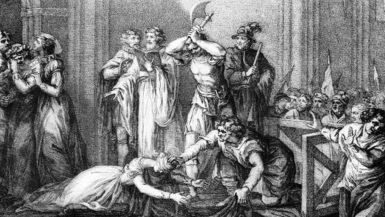
Soldiers under Captain Robert Campbell of Glenlyon had been billeted with the MacDonalds for nearly two weeks. They ate at the same tables, slept under the same roofs, and were treated as guests. In the predawn hours of 13 February, those soldiers rose and carried out orders to kill. Men were shot in their beds, houses were set alight with occupants inside, and those who fled into the snow were pursued. The operation was executed with a grim efficiency that combined military discipline with a bureaucratic logic: the government sought to make an example of a clan deemed recalcitrant. Yet the method—using the cover of hospitality to carry out slaughter—was what made the act especially abhorrent to contemporaries and to later generations.
The violence was intimate and chaotic. Eyewitness accounts and later retellings emphasize the horror of neighbors turning on neighbors, of soldiers who were themselves Highlanders acting against fellow countrymen. The number of dead is debated in sources, but the human toll—families bereft, homes destroyed, a community traumatized—is unmistakable. The night left the glen physically scarred and morally stained, and it set in motion a chain of political and cultural consequences that would outlast the immediate bloodshed.
Shock and Survival
News of the massacre spread slowly through the Highlands, carried by survivors, travelers, and rumor. For the MacDonalds who lived through the night, the immediate aftermath was a struggle for survival. Those who escaped faced a harsh winter with diminished numbers and scant resources. The loss of breadwinners and shelter made families vulnerable to exposure, hunger, and displacement. The social fabric of the glen—kinship ties, obligations, and the rhythms of daily life—was torn.
In the wider world, reactions were mixed and politically charged. Some officials defended the killings as enforcement of the law; others recoiled at the treachery. The betrayal of hospitality struck a chord across Scotland and England, where codes of honor and trust were widely understood. Parliamentary inquiries and public debate followed, but the legal and political reckonings were partial and unsatisfying to many. For survivors and their allies, the massacre became a rallying point, a moral grievance that fed into broader resistance to the government’s methods.
The immediate human story—of mothers and children, of burned homes and frozen fields—remains the most compelling. Survival in the weeks after the massacre required communal solidarity, improvisation, and sheer endurance. The glen’s survivors rebuilt what they could, but the psychological wounds and the memory of betrayal endured, shaping how the community and its neighbors understood justice and power.
Political Fallout
Glencoe must be understood within the larger political currents of late 17th‑century Britain. The Glorious Revolution had unsettled the old order, and the new regime faced the challenge of consolidating authority across a kingdom riven by competing loyalties. The Highlands, with their clan-based social structure and pockets of Jacobite sympathy, presented a particular problem for central government. Policies combined legal measures—oaths, indemnities—with military pressure intended to compel compliance.
The massacre was intended as a punitive example, but it proved a political miscalculation. Rather than cowing the clans into submission, the atrocity undermined the moral authority of the government’s campaign. Opponents used Glencoe to argue that the administration would sanction dishonorable methods; even some officials who supported strong measures recoiled at the use of hospitality as a cover for murder. Investigations apportioned blame across a chain of command that included local officers and central ministers, but the stain on the regime’s reputation lingered.
Longer-term, Glencoe fed narratives that would animate later Jacobite resistance. The massacre became part of a repertoire of grievances—real and symbolic—that Jacobite propagandists and later nationalists could invoke. It revealed the limits of coercive power in the Highlands: force could inflict damage, but it could not easily erase loyalties or heal the wounds of betrayal. Politically, the event highlighted the dangers of expedience when it trampled on widely held moral expectations.
Memory and Myth
How societies remember traumatic events often tells us as much about the present as about the past. Glencoe’s memory has been shaped by poetry, song, and political rhetoric. The betrayal of hospitality, the image of burning thatch against a winter sky, and the figure of the betrayed clan chief have all been woven into cultural representations that amplify the massacre’s symbolic power. Writers and artists have returned to the glen as a site of moral drama, each retelling emphasizing different lessons: the heroism of victims, the villainy of perpetrators, or the tragic complexity of a time when loyalties were divided.
Commemoration has evolved over centuries. Memorials, plaques, and interpretive materials at the glen present layered narratives that balance factual detail with emotional resonance. The landscape itself—its cliffs, rivers, and ruins—serves as a physical repository of memory. For some, Glencoe is a symbol of Highland victimhood and Lowland or central betrayal; for others, it is a cautionary tale about romanticizing the past. The event’s place in Scottish identity is contested, and its meanings have been mobilized by different political and cultural movements to support competing narratives.
The persistence of Glencoe in literature and popular imagination ensures that each generation reinterprets the event. The massacre’s mythic qualities—betrayal, winter, blood—make it a powerful cultural touchstone, but historians and commentators continue to insist on nuance, resisting simplistic moralizing while acknowledging the deep emotional truth at the heart of the story.
Legacy in Modern Scotland
In contemporary Scotland, Glencoe’s legacy appears across tourism, education, political discourse, and the arts. The glen draws visitors who come for its dramatic scenery and for the story it tells; the massacre is central to the interpretive narrative that frames the landscape. Schools and public history projects use Glencoe to teach about the Jacobite era, state power, and the ethics of governance. The event’s resonance with themes of betrayal and justice makes it a useful case study in discussions about how states treat minority communities and how historical memory is mobilized in modern politics.
Politically, Glencoe can be invoked rhetorically in debates about autonomy and identity. The image of a remote community betrayed by central authority has rhetorical power, though historians caution against direct analogies between seventeenth‑century events and contemporary policy. Cultural producers—novelists, filmmakers, poets—continue to draw on Glencoe’s imagery, shaping public perception and keeping the conversation alive.
Beyond Scotland, Glencoe offers a universal lesson about the costs of power exercised without honor. The massacre’s themes—trust violated, communities traumatized, memory enduring—resonate in contexts far removed from the Highlands. The glen’s stones and rivers hold the past, but it is the ongoing public conversation that keeps the lesson relevant.
Lessons and Reckoning
The Massacre of Glencoe remains more than a historical episode; it is a moral mirror. It asks uncomfortable questions about the limits of state power, the sanctity of social codes, and the ways communities remember trauma. The immediate human cost was profound; the long-term consequences were cultural and symbolic. Today, as visitors stand in the glen, as students study the event, and as artists retell the tale, Glencoe continues to prompt reflection: that expedience without honor corrodes legitimacy, that trust once broken is hard to restore, and that the past, once lived, never fully disappears.