Arrival in Monument Valley
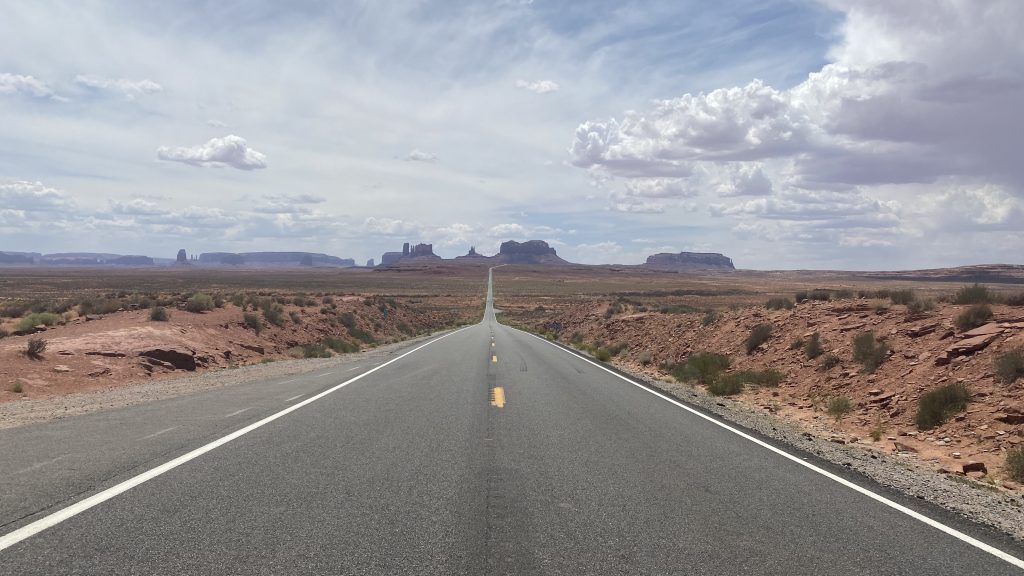
The road into Monument Valley feels like a passage into another world. As the highway stretches across the desert, the land begins to rise into towering buttes and mesas, their red sandstone faces glowing in the sunlight. These formations are not just geological wonders; they are cultural icons, etched into the collective imagination through countless films, photographs, and stories.
In the early months of the Covid‑19 pandemic, my daughter Saydie and I found ourselves driving into this landscape, searching for refuge in the wide‑open spaces of the American Southwest. We had been using national parks as a way to practice social distancing, trading crowded cities for trails and campgrounds where the air was fresh and the distances vast. Monument Valley, straddling the border of Utah and Arizona, became one of our sanctuaries.
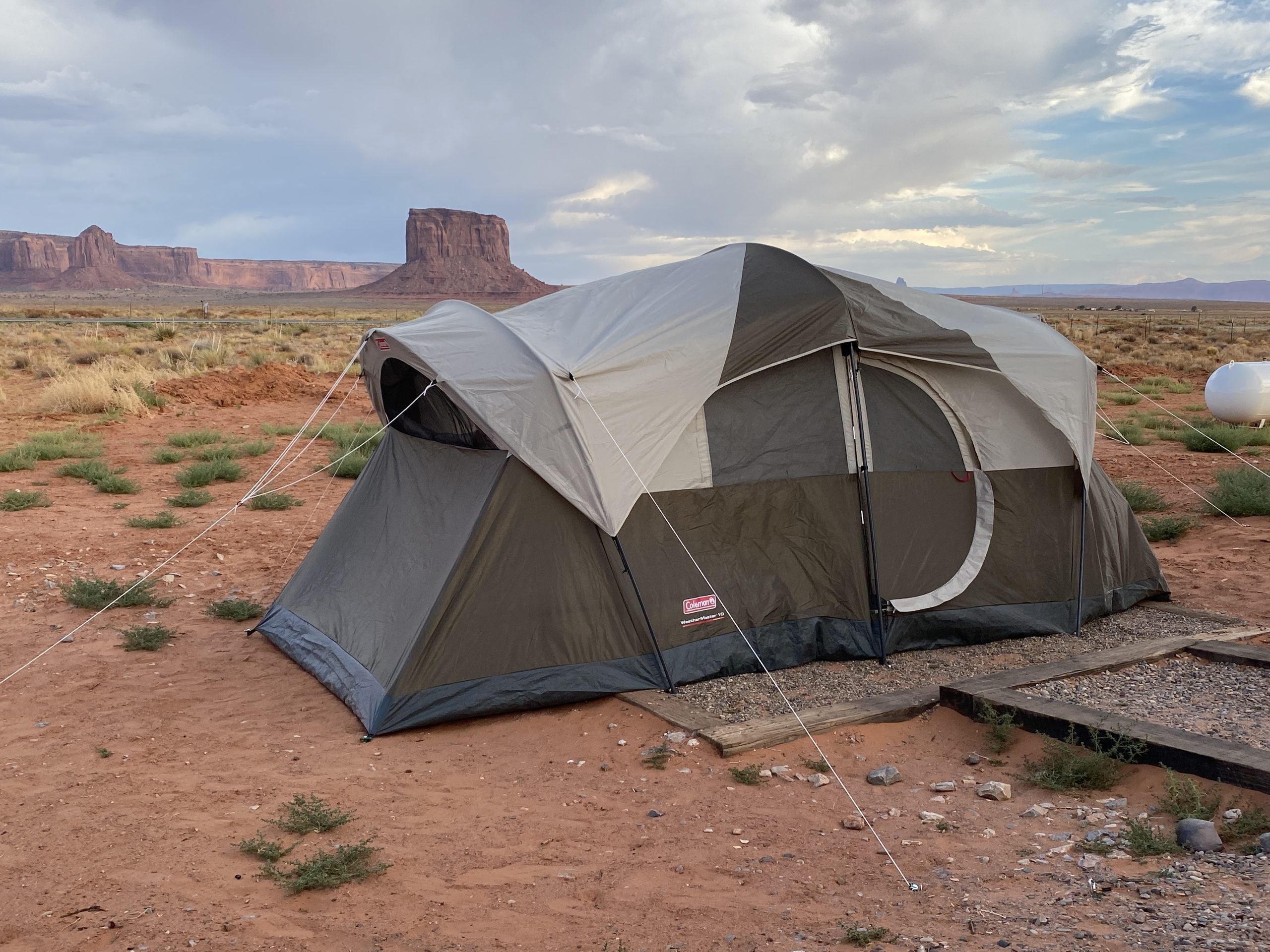
We managed to secure a spot at the KOA campground near the Navajo Reservation. It was a rare opportunity, as much of the surrounding land was under strict lockdown. The Navajo Nation had been hit hard by the pandemic, and access to many areas was restricted. Yet here, at the edge of the valley, we found a place to set up camp, to breathe, and to reflect.
Camping in the Shadow of Giants
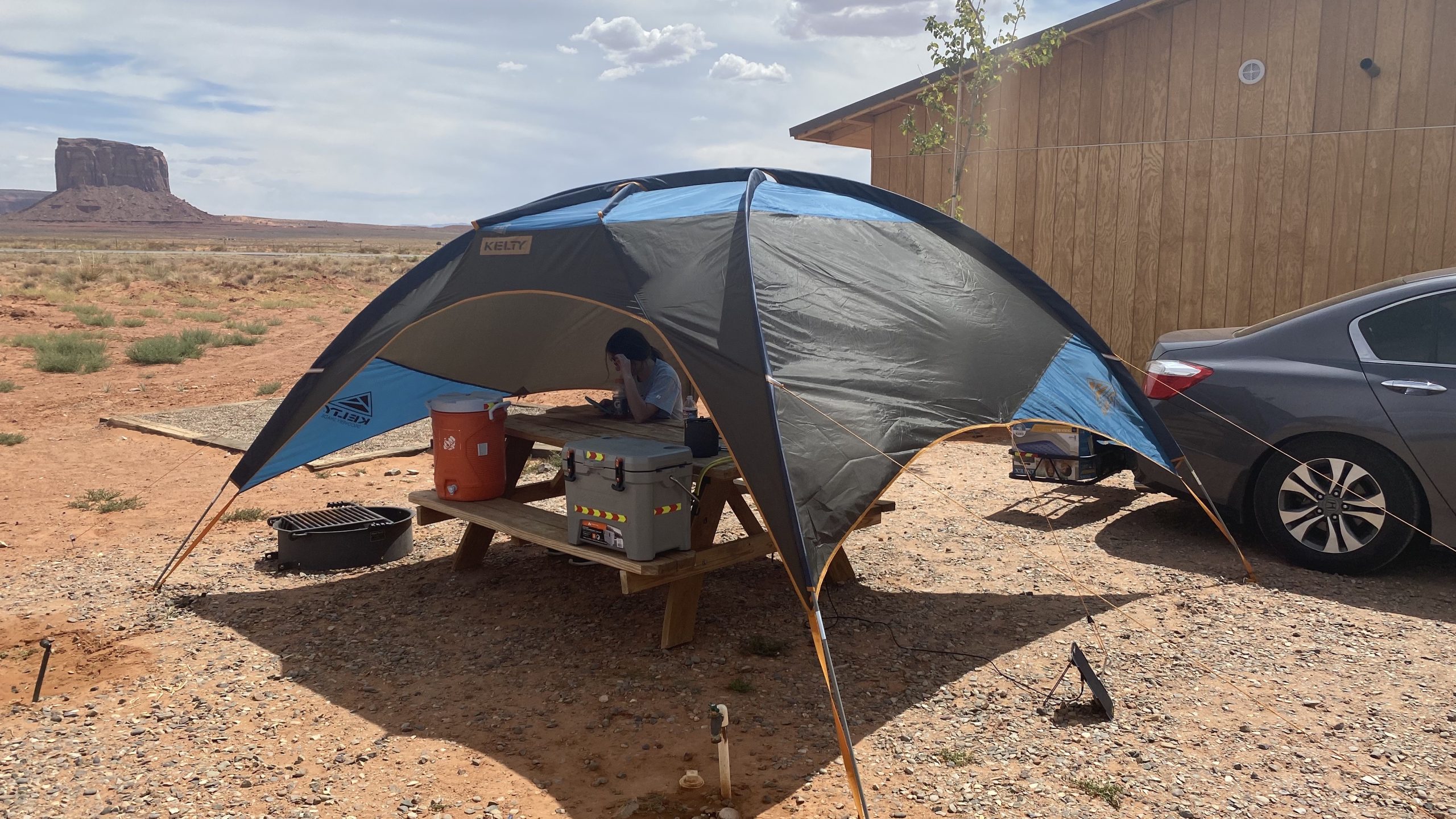
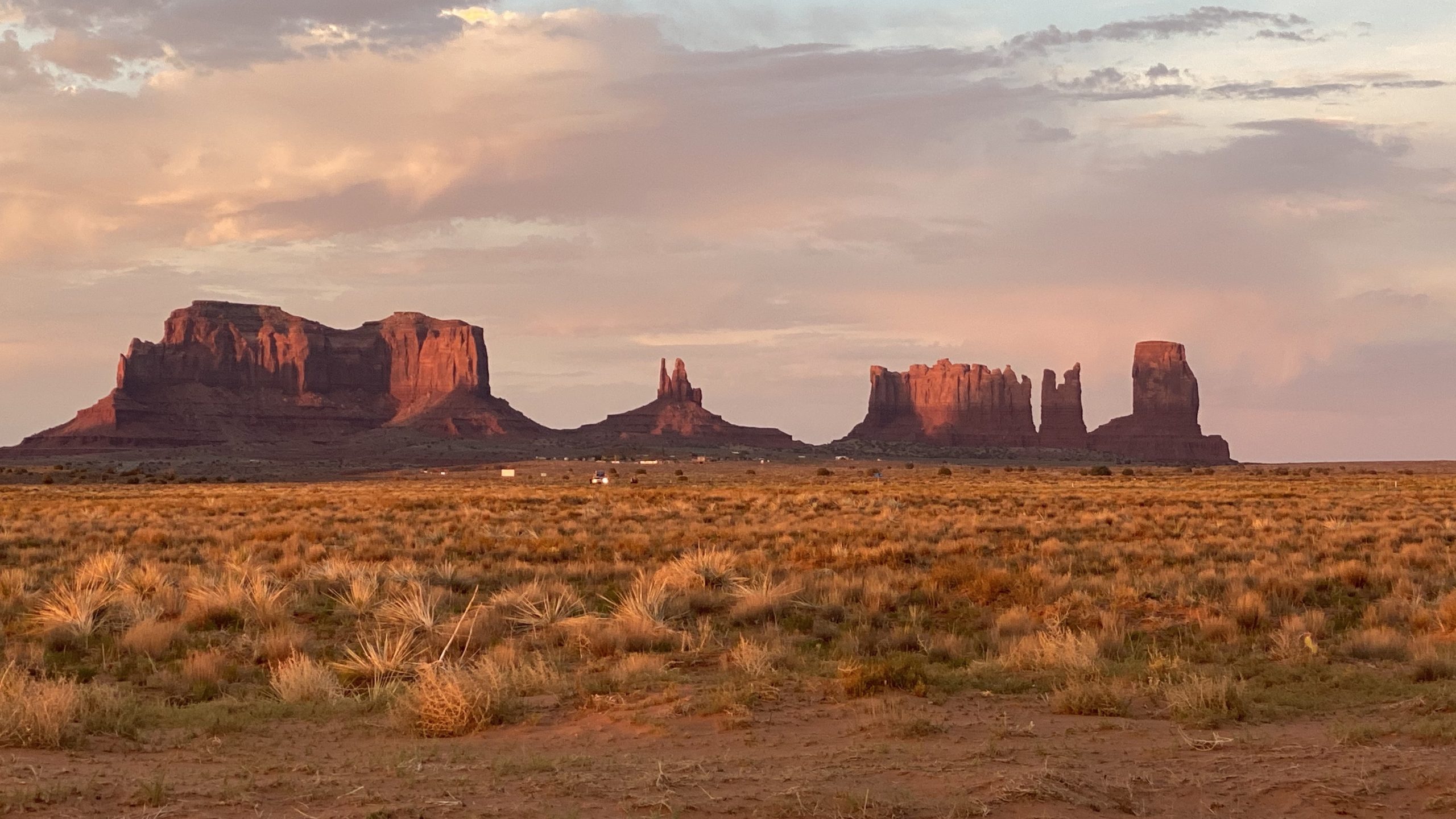
The KOA was simple, but its setting was extraordinary. From our campsite, the silhouettes of Monument Valley’s buttes rose against the horizon, their shapes familiar yet endlessly captivating. Setting up camp felt different this time. The pandemic had stripped away the casual ease of travel, replacing it with caution and awareness. Yet the act of pitching a tent, arranging our gear, and preparing meals outdoors carried a sense of normalcy we desperately needed.
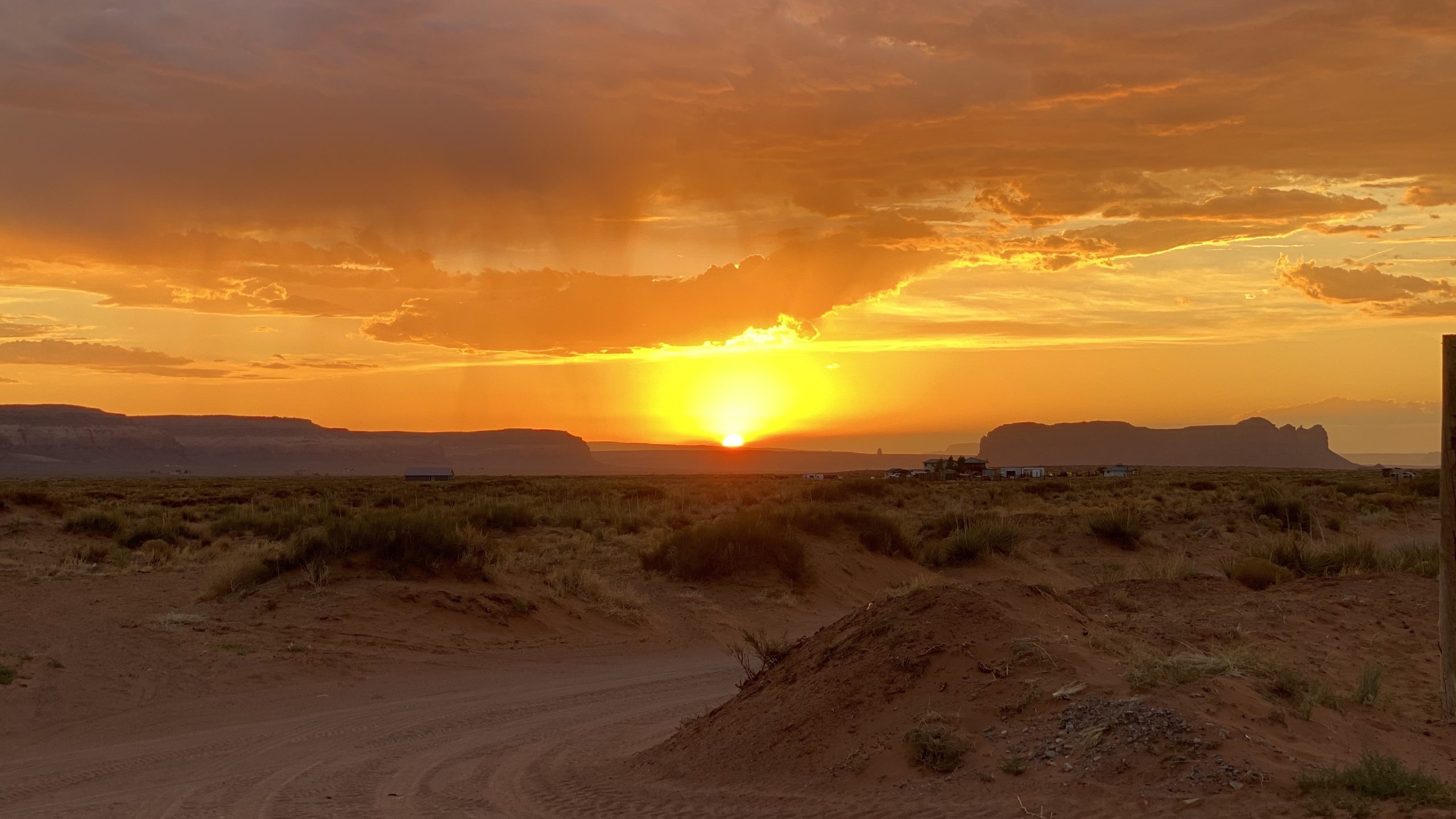
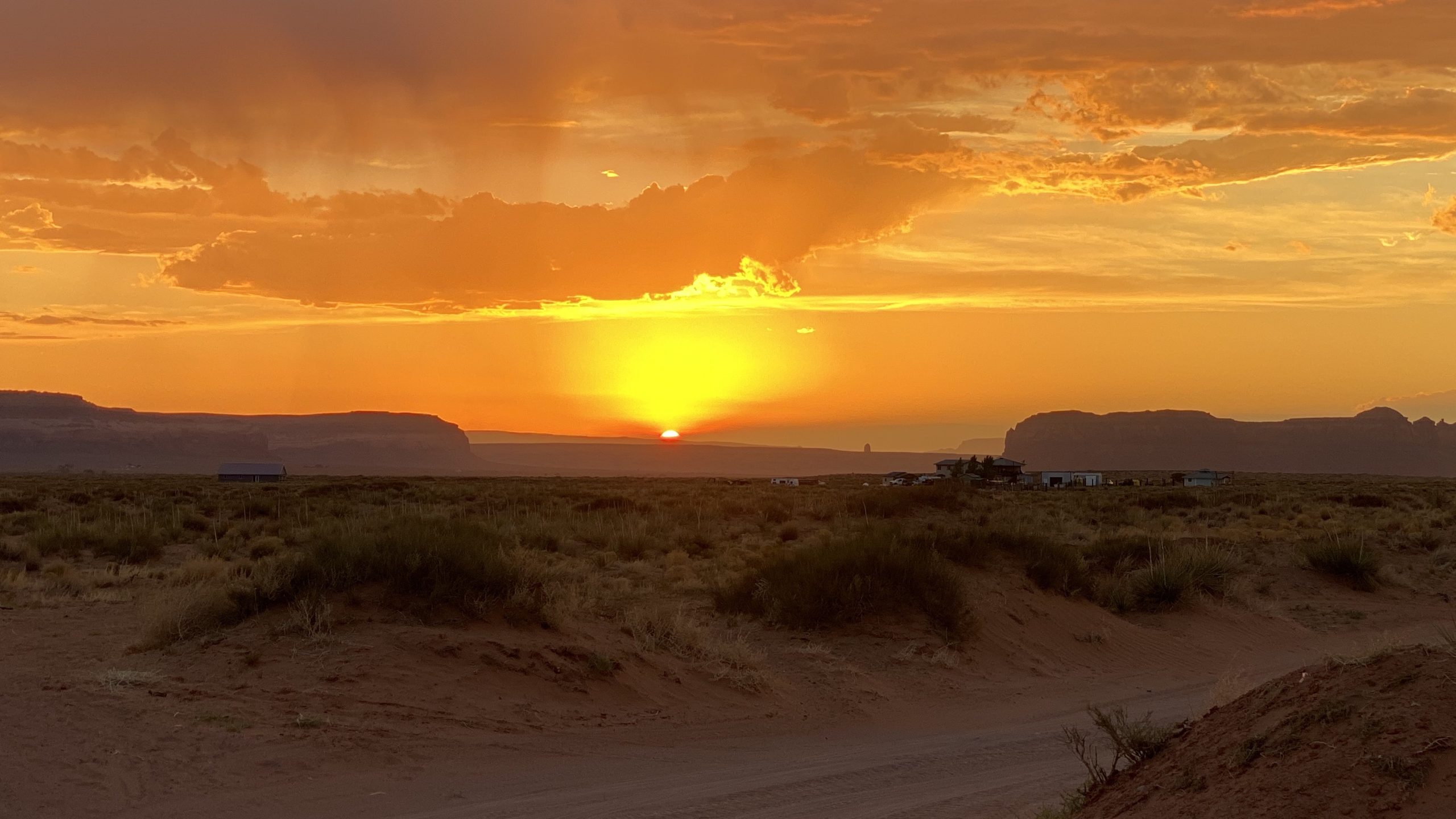
Saydie and I quickly settled into a rhythm. We cooked simple meals on our camp stove, ate at the picnic table, and watched the sun paint the rocks in shades of crimson and gold. At night, the desert sky opened above us, a canvas of stars unspoiled by city lights. The silence was profound, broken only by the occasional rustle of wind across the sand.
Camping here was more than recreation; it was resilience. It was a way to carve out peace in a time of uncertainty, to find grounding in the permanence of the land. The buttes had stood for millions of years, weathering storms and seasons. Their endurance became a metaphor for our own.

The Navajo Nation and the Pandemic
Monument Valley lies within the Navajo Nation, the largest Native American reservation in the United States. Covering over 27,000 square miles across Arizona, Utah, and New Mexico, the Navajo Nation is home to a people whose history is deeply intertwined with this land.
The Navajo, or Diné, have lived in the Southwest for centuries, their traditions rooted in the desert and mountains. Monument Valley itself is sacred ground, a place of spiritual significance and cultural heritage. The red rocks are not just scenery; they are part of a living story.
During the early months of Covid‑19, the Navajo Nation faced devastating challenges. Infection rates soared, and the community endured one of the highest per‑capita death tolls in the country. Strict lockdowns were enforced to protect elders and families, closing roads and limiting access to many areas. For visitors, this meant restricted travel, but for the Navajo, it was a matter of survival.
Staying at the KOA, we were acutely aware of this reality. While we enjoyed the beauty of the valley, we also carried respect for the hardships faced by the people who call this land home. The juxtaposition was stark: the timeless grandeur of the monuments against the fragile vulnerability of human life.
National Parks as Sanctuaries
Throughout the pandemic, national parks became sanctuaries for us. They offered space to breathe, to walk, to feel safe in the open air. In the great Southwest, these parks are more than recreational areas; they are landscapes of myth and memory.
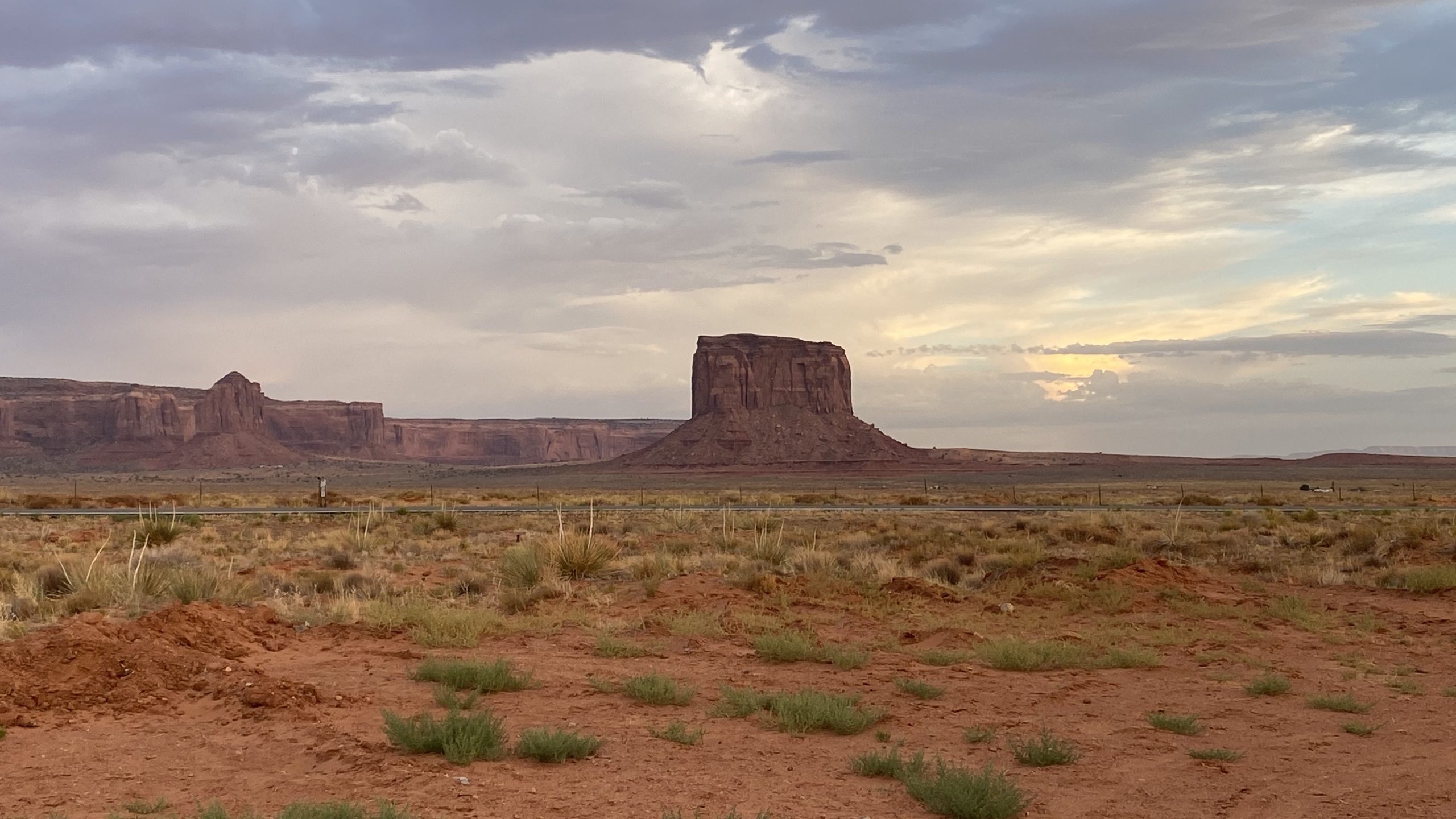
Monument Valley, though not a national park in the traditional sense, is managed by the Navajo Nation and holds a place of honor among America’s natural treasures. Its formations — the Mittens, Merrick Butte, and others — have appeared in countless Western films, shaping the way the world imagines the American frontier. Directors like John Ford immortalized the valley in movies such as Stagecoach and The Searchers, turning its red rocks into cinematic icons.
For us, the valley was not a backdrop but a living presence. Walking its trails, gazing at its cliffs, we felt both humbled and uplifted. The vastness of the land made social distancing effortless. Here, solitude was not isolation but connection — to nature, to history, to something larger than ourselves.
Moments with Saydie
Traveling with my daughter during such uncertain times was both a challenge and a gift. Saydie approached each day with curiosity, her energy reminding me that even in hardship, joy can be found. Together, we hiked short trails, explored the edges of the campground, and marveled at the changing colors of the rocks.
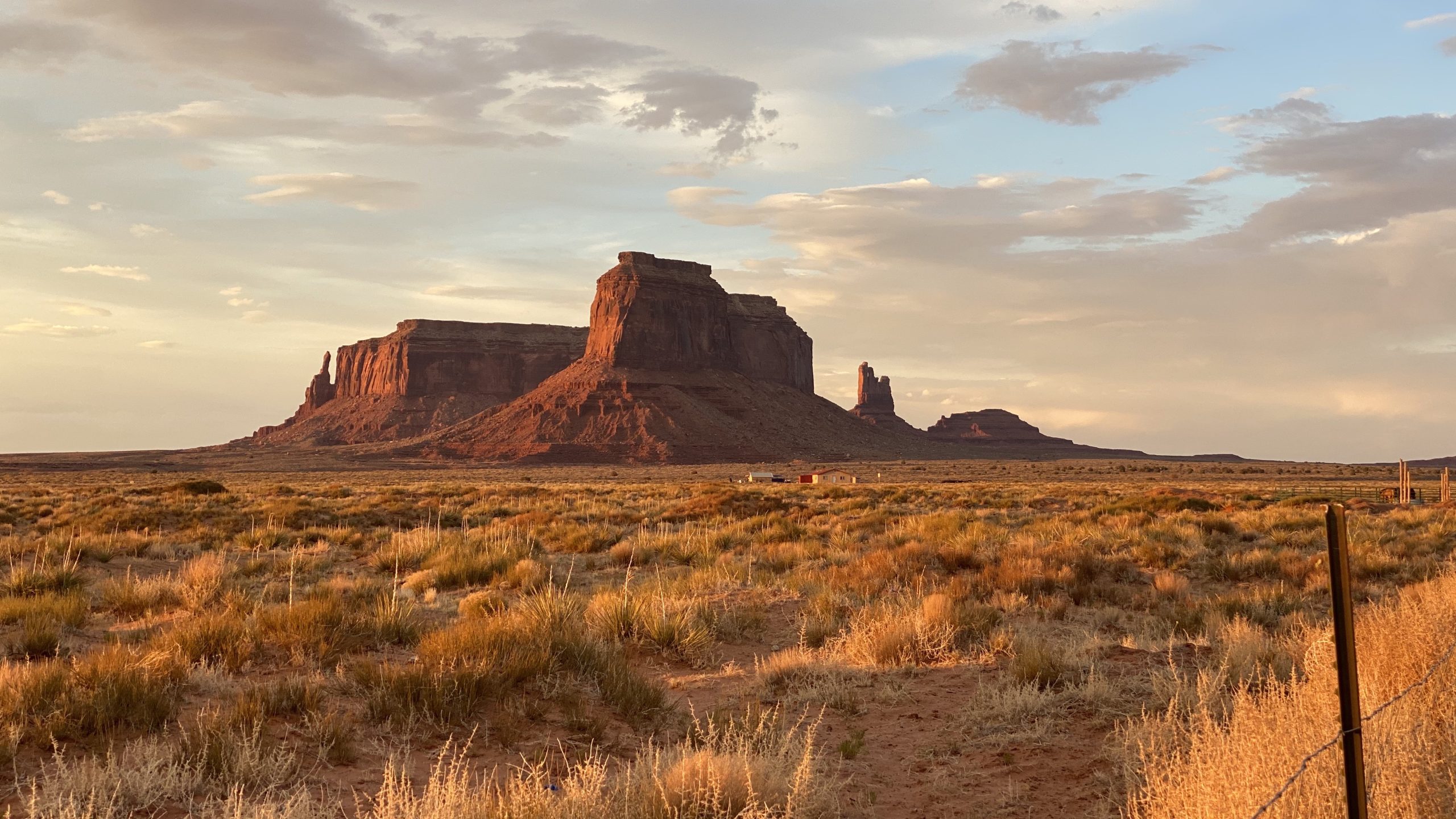
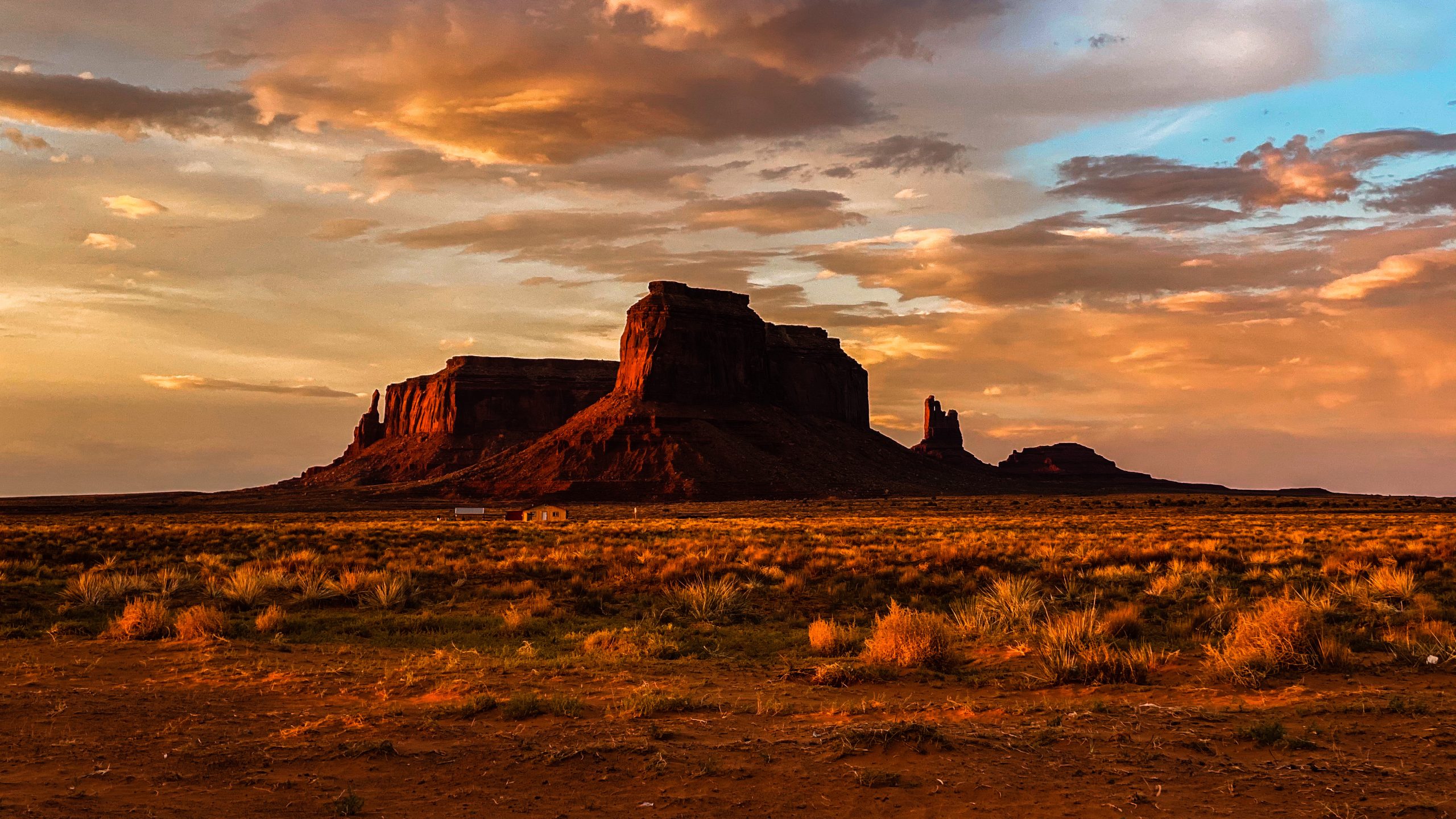
One evening, we sat outside at our campsite, watching the sun sink behind the buttes. The sky shifted from orange to purple, and the monuments cast long shadows across the desert floor. Saydie pointed out constellations as the stars appeared, her voice filled with wonder.
These moments were simple, yet they carried weight. In a time when the world felt fragile, our bond grew stronger. The pandemic had taken much, but it had also given us time — time to be together, to share experiences, to create memories that would endure.
The Silence of Monument Valley
Monument Valley is never truly silent. The wind whispers across the sand, birds call from the cliffs, and the earth itself seems to hum with presence. Yet during the pandemic, the valley felt quieter than ever. The usual flow of tourists was absent, the roads less traveled, the viewpoints empty.
This silence was both eerie and profound. It allowed us to experience the valley in a way few ever do — as if it belonged only to us, as if time had paused. Standing at the edge of a mesa, gazing across the vast expanse, we felt the weight of history pressing close.
The valley has witnessed centuries of change. It has seen the arrival of settlers, the struggles of the Navajo, the rise of tourism, and now, the pause of a global pandemic. Through it all, the rocks remain, silent witnesses to human stories.
Historical Echoes in the Red Rocks
The history of Monument Valley and the greater Southwest is layered and complex. Long before Hollywood discovered its dramatic landscapes, the valley was home to the Ancestral Puebloans, who left behind petroglyphs and dwellings that still speak of their presence. Later, the Navajo made the land their own, weaving it into their traditions and stories.
In the 19th century, the Navajo endured the Long Walk, a forced relocation by the U.S. government that remains a painful chapter in their history. Yet they returned, reclaiming their land and rebuilding their community. Monument Valley became not just a home but a symbol of resilience.
The 20th century brought new visibility. Filmmakers turned the valley into a stage, and tourists followed. The red rocks became synonymous with the American West, shaping perceptions worldwide. Yet beneath the cinematic allure lies a deeper truth: this land is sacred, alive with meaning, and inseparable from the people who care for it.
Reflections on Resilience and Gratitude
Camping in Monument Valley during Covid was more than a trip; it was a lesson in resilience. The land itself embodies endurance, its formations standing firm against time and weather. The Navajo people embody resilience too, facing hardship with strength and determination. And in our own small way, Saydie and I found resilience in the act of camping, of continuing to seek beauty and connection despite the challenges of the pandemic.
Gratitude flowed easily here. Gratitude for the chance to witness such beauty, for the health that allowed us to travel, for the bond between parent and child. Gratitude for the land, for its history, for its lessons.
A Monumental Memory
As we packed up our campsite and prepared to leave, I looked once more at the buttes rising against the sky. Their shapes were familiar now, yet still awe‑inspiring. Saydie stood beside me, her face lit by the morning sun, and I felt a deep sense of peace.
Monument Valley had given us more than scenery. It had given us perspective, reminding us of the endurance of the land and the resilience of its people. It had given us time together, moments of joy in a difficult season. It had given us memory — a monumental memory that will remain long after the pandemic fades.
In the end, that is the gift of Monument Valley: not just its red rocks, but the resilience they inspire.