
🦟 Midges, Mosquitoes & Ticks: What’s Bugging You?
Understanding the Differences for a Safer Time Outdoors
Whether you’re checking the Midge Forecast Map before heading out or trying to identify what just bit you, it helps to know the differences between the three most common outdoor pests: midges, mosquitoes, and ticks. They may all be tiny, but their biology, behavior, and impact on humans are very different.
🦟 Midges: The Tiny Swarmers
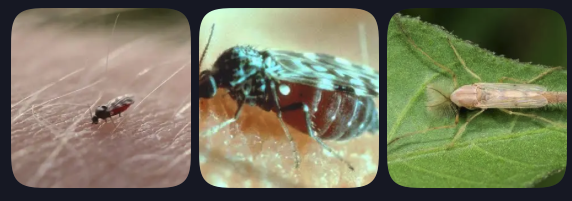
Midges come in two main types: non‑biting midges and biting midges (often called no‑see‑ums). Both are tiny flies, but only one group is out for blood.
What Makes Midges Unique
- Size: 1–10 mm — often smaller than a grain of rice.
- Appearance: Clear, delicate wings without scales.
- Behavior: Known for forming large swarms, especially near water at dusk.
- Biting:
- Non‑biting midges: harmless, just annoying.
- Biting midges: deliver painful, itchy bites despite their tiny size.
- Health Risk:
- Low for humans.
- Some species transmit diseases to livestock.
If your evening walk suddenly feels like you’re walking through a cloud of dust, you’re probably dealing with midges.
🦟 Mosquitoes: The Classic Biting Pest
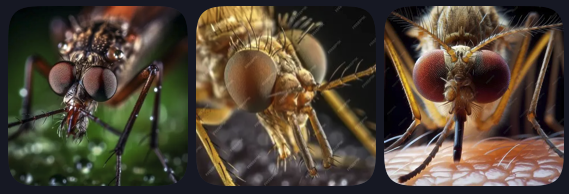
Mosquitoes are the best‑known bloodsuckers — and for good reason. They’re widespread, persistent, and medically important.
What Sets Mosquitoes Apart
- Size: 3–6 mm — larger than biting midges.
- Appearance: Wings covered in fine scales, giving them a fuzzy look.
- Behavior:
- Only female mosquitoes bite, using blood to produce eggs.
- They don’t swarm like midges but seek out individual hosts.
- Biting Style: A long, needle‑like proboscis pierces the skin.
- Health Risk:
- High. Mosquitoes can transmit West Nile virus, Zika, dengue, malaria, and more.
If you hear a high‑pitched whine near your ear, it’s not a midge — it’s a mosquito.
🕷️ Ticks: The Silent Hitchhikers
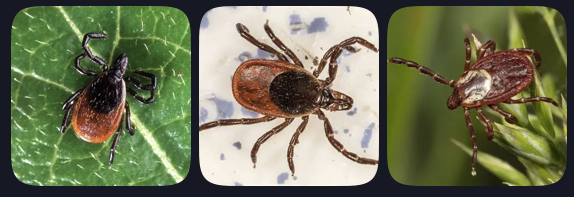
Ticks aren’t insects at all — they’re arachnids, more closely related to spiders than flies. They don’t fly, jump, or buzz. Instead, they wait patiently for a host to brush past.
What Makes Ticks Different
- Size: 1–5 mm unfed; balloon‑like when engorged.
- Appearance: Oval, flat bodies with eight legs.
- Behavior:
- Ticks “quest” on vegetation, grabbing onto passing animals or humans.
- They feed slowly, staying attached for hours or days.
- Biting Style: A barbed hypostome anchors them firmly into the skin.
- Health Risk:
- Very high. Ticks can transmit Lyme disease, Rocky Mountain spotted fever, ehrlichiosis, and more.
If something is stuck to your skin and doesn’t brush off, it’s a tick — not a midge or mosquito.
| Feature | Midges | Mosquitoes | Ticks |
|---|---|---|---|
| Classification | Flying insects | Flying insects | Arachnids |
| Wings | Clear, unscaled | Scaled, fuzzy | None |
| Biting? | Some species | Females only | Yes, prolonged |
| Size | 1–10 mm | 3–6 mm | 1–5 mm |
| Swarming | Yes | No | No |
| Disease Risk | Low | High | High |
| Habitat | Near water | Stagnant water | Vegetation, leaf litter |