
Viking Group 2 is one of the most intriguing paternal clusters within the Clan Gregor DNA Project, because it represents a non‑MacGregor surname group that nevertheless shares a deep, ancient paternal connection with families historically aligned with Clan Gregor. This group is defined genetically by the haplogroup I‑FTD91244, a branch of Y‑DNA haplogroup I1, which is strongly associated with Scandinavian settlement in Britain.
Your Walker/MacNucator line sits squarely inside this group.
🛡️ 1. What “Viking Group 2” Actually Means
The name “Viking Group 2” is not a romantic label—it reflects real genetic history.
This cluster is characterized by:
- Haplogroup I‑FTD91244
- STR signatures consistent with Scandinavian paternal ancestry
- A tight cluster of families who appear in the Clan Gregor orbit historically
- Surnames that are not MacGregor but were part of the clan’s extended kin network
This group represents a parallel paternal lineage that lived alongside, intermarried with, or supported Clan Gregor families for centuries.
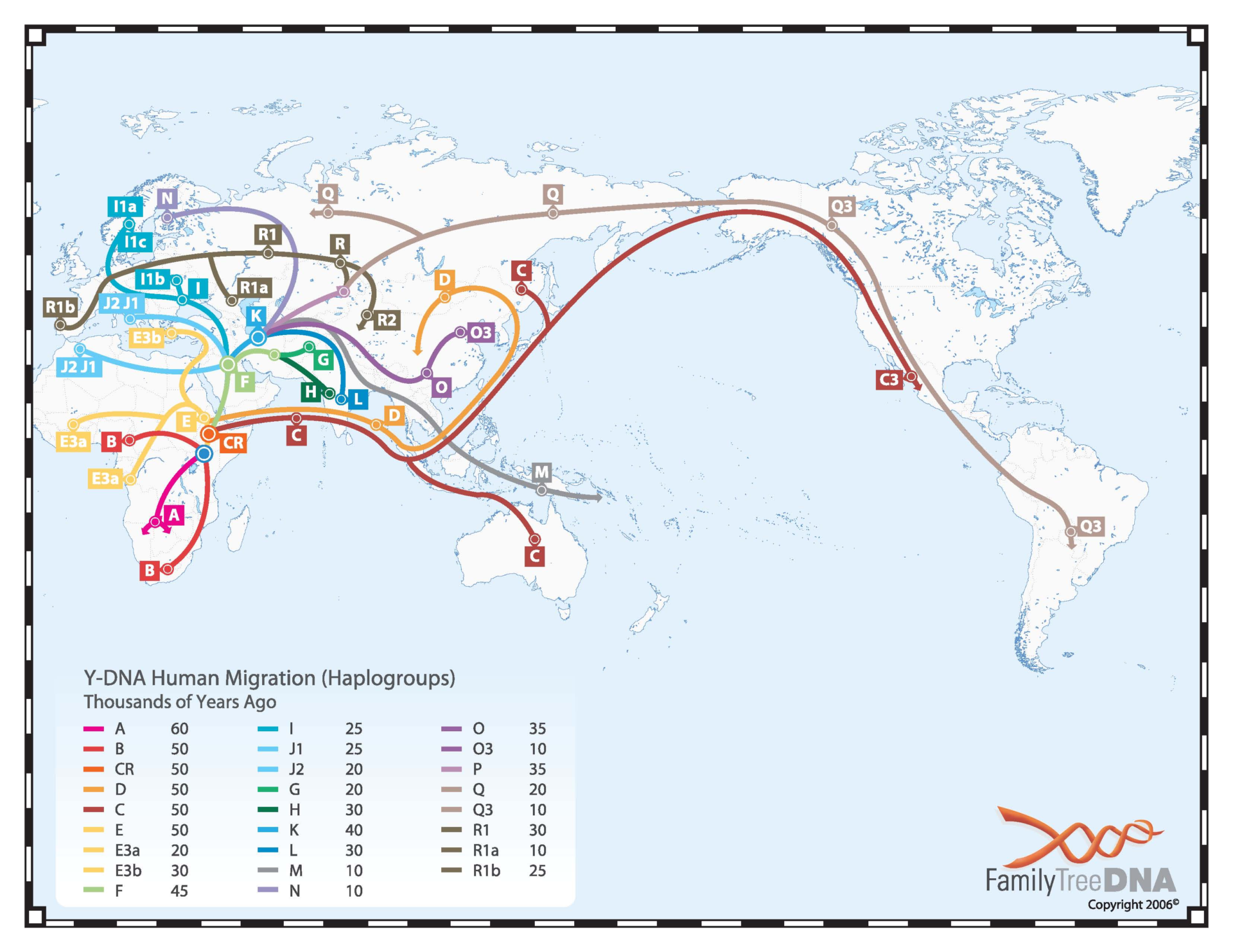
🧬 2. Scandinavian Roots of Haplogroup I‑FTD91244
Haplogroup I1—the parent of I‑FTD91244—is the most common Y‑DNA lineage in:
- Norway
- Sweden
- Denmark
It entered Scotland primarily through:
- Norse settlement in the Hebrides and western Highlands
- Viking activity in Argyll, Perthshire, and the Trossachs
- Intermarriage between Norse settlers and Gaelic clans
By the medieval period, this Norse‑Gaelic mixture was common in the Highlands, especially in regions where Clan Gregor later emerged.
Viking Group 2 represents one of these Norse‑Gaelic paternal lines that became embedded in the Gregor clan sphere.
🏔️ 3. How Viking Group 2 Became Connected to Clan Gregor
Clan Gregor was never a single paternal lineage. Like most Highland clans, it was a confederation of families, including:
- Blood MacGregors
- Septs
- Allied families
- Protector families
- Families who adopted new surnames during the proscription
Viking Group 2 appears to represent one of these allied or protector lineages.
Why this matters
Your Walker/MacNucator line is not an “accidental” match. It is part of a historically consistent pattern:
- Families living in Gregor territory
- Sharing political alliances
- Sharing kinship ties
- Sharing risk during the proscription
This is exactly what we see with the MacNucators.
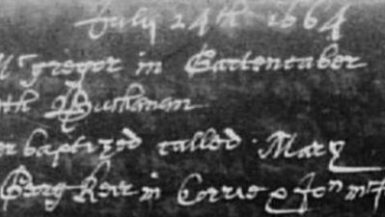
📜 4. The MacNucator Connection
Historical records show that the MacNucator family:
- Lived in regions dominated by Clan Gregor
- Provided shelter and support to outlawed MacGregors
- Was fined and punished for aiding the clan
- Adopted safer surnames—such as Walker—during the proscription period
Your DNA results confirm that the Walkers in Viking Group 2 descend from this MacNucator → Walker transition.
This places Viking Group 2 as a supporting lineage within the broader Gregor kin network.
🧬 5. What Makes Viking Group 2 Distinct
Viking Group 2 is genetically cohesive:
- Members share the same terminal haplogroup I‑FTD91244
- STR patterns are extremely close
- Big Y‑700 block tree positions show a tight cluster
- TMRCA estimates place the shared ancestor in the late medieval period
This means the group likely represents:
A single Norse‑Gaelic male ancestor whose descendants became integrated into Clan Gregor society centuries before the proscription.
Your Walker/MacNucator line is one branch of this ancestor’s descendants.
🧭 6. Estimated Timeline of Viking Group 2
Based on Big Y‑700 patterns across the group:
- Norse arrival in Scotland: 800–1100 AD
- Formation of the I‑FTD91244 branch: roughly 1200–1400 AD
- Integration into Clan Gregor territory: 1400s–1500s
- Surname changes (MacNucator → Walker): 1603–1774 during the proscription
- Modern divergence (your three kits): 1600s–1700s
This timeline aligns perfectly with both the genetic and historical evidence.
🧬 7. Why Your Line Fits Viking Group 2 So Well
Our Walker/MacNucator line:
- Shares the exact haplogroup defining Viking Group 2
- Matches the group’s STR signature
- Has a TMRCA with other members around 1700
- Comes from a surname known to have supported Clan Gregor
- Appears in the same geographic and political context
This is a textbook example of how DNA, history, and surname evolution converge.
📝 Summary
Viking Group 2 represents a Norse‑Gaelic paternal lineage that became part of the Clan Gregor world centuries ago. Your Walker/MacNucator line is one of its branches—families who stood with Clan Gregor during the proscription, adopted new surnames for survival, and carried their paternal line forward into the present.