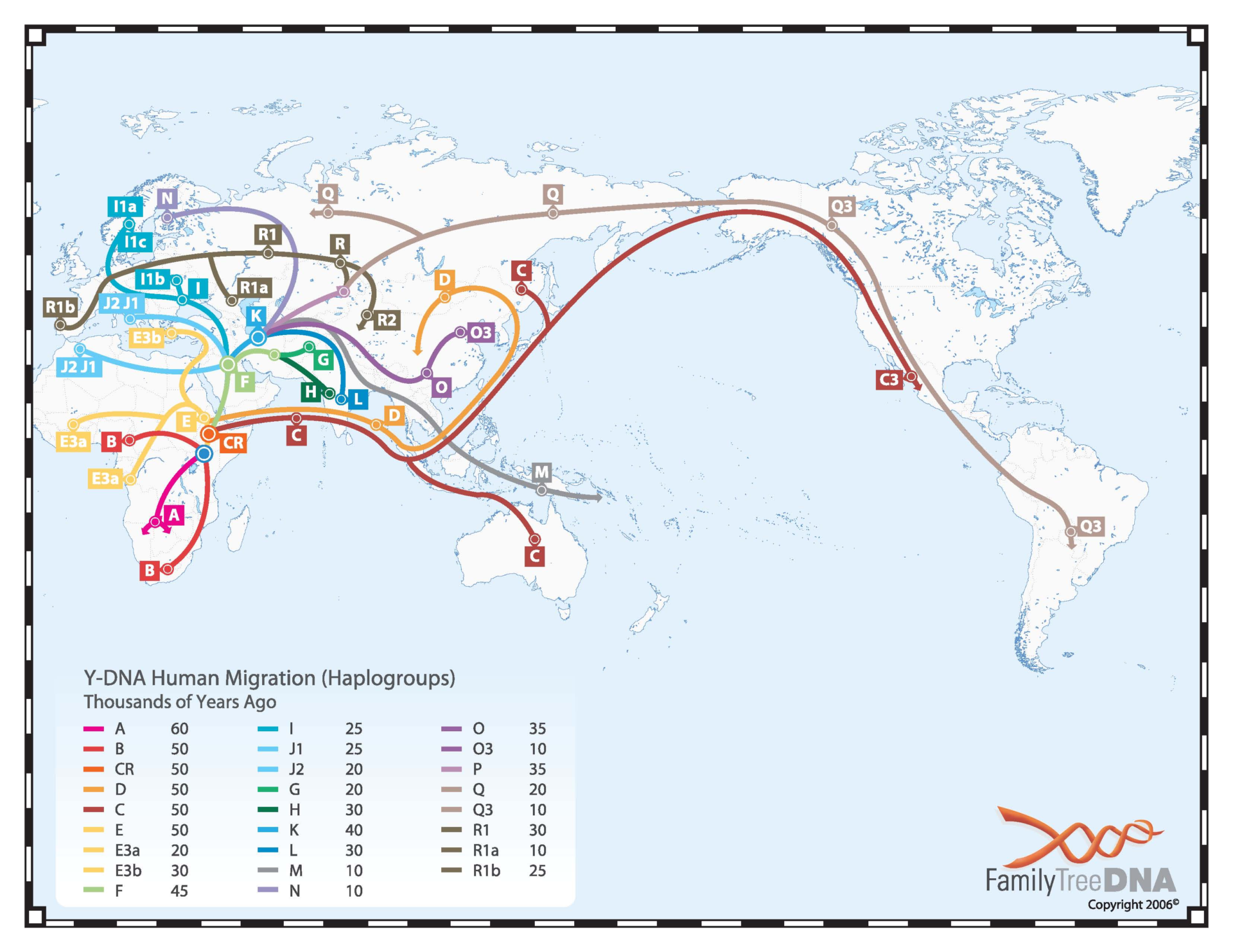

Big Y DNA testing is one of the most powerful tools available for exploring your direct paternal ancestry — the line passed from father to son for thousands of years. If you want to understand where your father’s line came from, how it branched, and how it connects to others with your surname (or different surnames), Big Y is the gold standard.
What Big Y Actually Tests
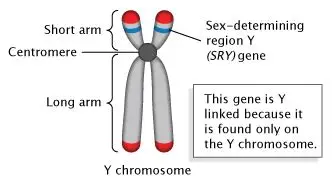
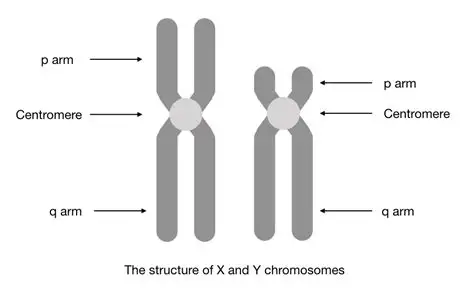
Big Y focuses on the Y chromosome, which only genetic males carry. It examines two types of markers:
1. STRs (Short Tandem Repeats)
STRs mutate relatively quickly, making them useful for identifying recent paternal relationships — typically within the last 10 generations. Big Y‑700 includes 700 STR markers, an upgrade from earlier versions.
2. SNPs (Single Nucleotide Polymorphisms)
SNPs are single‑letter changes in DNA. Most SNPs are ancient — thousands or tens of thousands of years old — but some are recent enough to distinguish branches within the last few generations. Big Y sequences 16–22 million base pairs of the Y chromosome to find both known and new SNPs.
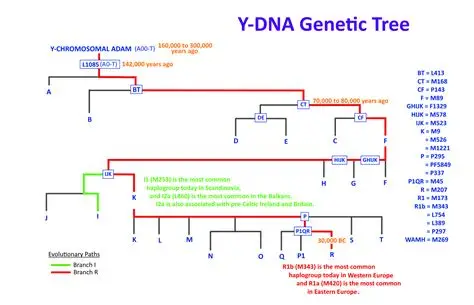
These SNPs form the backbone of the Y‑DNA haplotree, the global map of paternal lineages.
Why Big Y Matters
Big Y is designed for genealogists who want to go beyond basic Y‑DNA testing. It helps you:
- Confirm or refine your haplogroup — your branch on the Y‑DNA tree.
- Discover new SNPs unique to your family line.
- Estimate the Time to Most Recent Common Ancestor (TMRCA) with your matches.
- Connect with others who share your paternal ancestry, even if surnames differ.
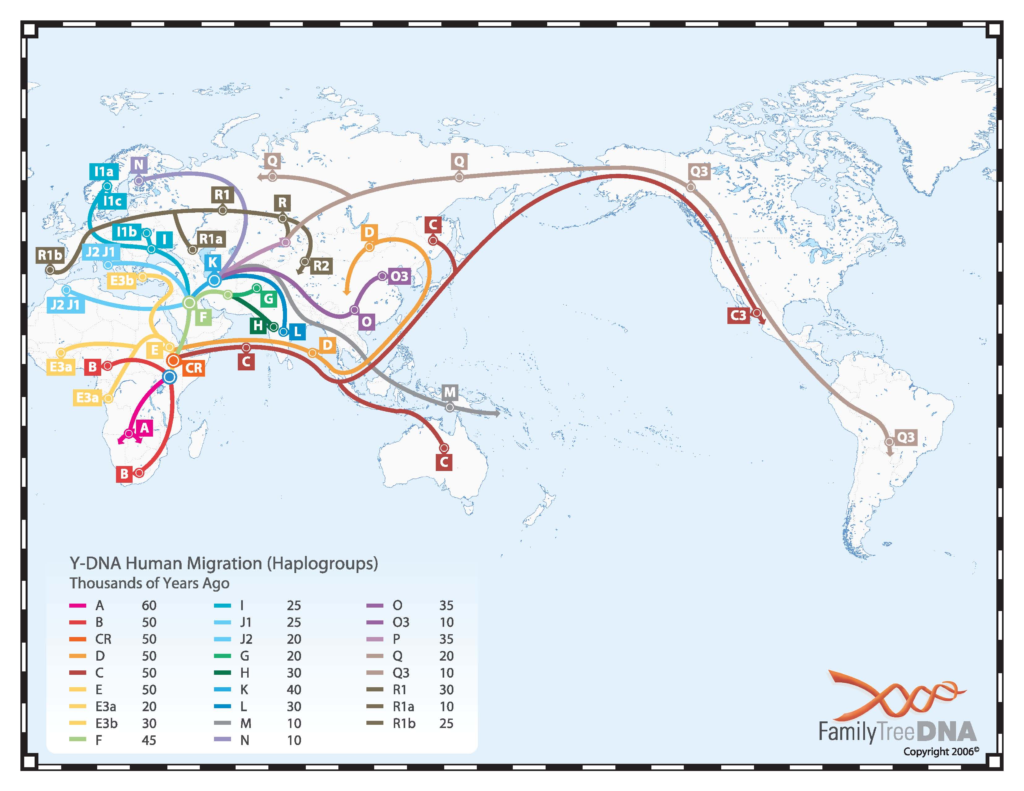
- Map your paternal migration path from ancient times to today.
Understanding Your Big Y Results
1. Your Haplogroup
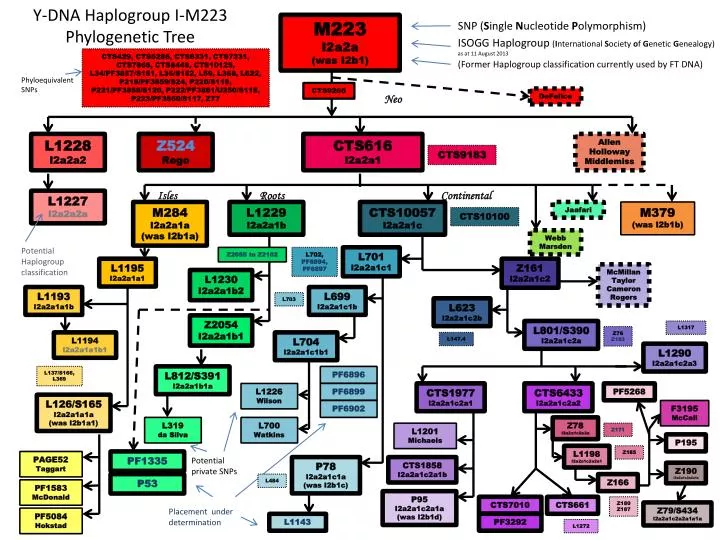
Your haplogroup is your place on the Y‑DNA tree — a label like R‑BY12345 or I‑FT67890. Big Y refines this to the most specific branch possible, often down to a mutation that occurred within the last few hundred years.
How to interpret it:
- The letters (R, I, J, etc.) represent major ancient branches.
- The numbers/letters after the dash represent your specific SNP-defined branch.
- The more specific the haplogroup, the more precisely you can place your paternal line in history.
2. Named SNPs and Private Variants
Your results include:
- Named SNPs — already known and placed on the haplotree.
- Private variants — SNPs found only in you (so far). These often become new branches once another tester shares them.
How to interpret them:
- Private variants can indicate very recent branching, sometimes within the last few generations.
- If you and a match share all named SNPs but differ in private variants, your common ancestor is likely recent.
3. The Block Tree
The Block Tree visually shows how you and your matches cluster on the haplotree. It highlights:
- Shared SNPs
- Unique SNPs
- Branching points
- Country origins of earliest known ancestors
How to interpret it:
- If you and another tester share a block of SNPs, you share a paternal ancestor.
- The number of SNPs separating you helps estimate how long ago that ancestor lived.
4. TMRCA Estimates
FamilyTreeDNA’s Discover™ tool provides estimated dates for when your paternal line split from others. These estimates are based on mutation rates and the growing Big Y database.
How to interpret it:
- A TMRCA of 200 years suggests a likely connection within genealogical records.
- A TMRCA of 1,000+ years points to deeper ancestral connections.
How Big Y Helps Genealogy
Big Y is especially useful for:
1. Surname Studies
Because surnames often follow the paternal line, Big Y can confirm whether two men with the same surname share a common ancestor — or reveal that they do not.
2. Breaking Brick Walls
If your paternal line disappears in the paper trail, Big Y can connect you to others who share your deeper ancestry, pointing you toward new locations or family clusters.
3. Adoption and Unknown Parentage
Big Y can help identify or confirm paternal relatives when traditional records are missing.
Putting It All Together: A Simple Interpretation Workflow
- Start with your haplogroup This tells you your deep paternal origins.
- Review your Block Tree See how your line branches and who you cluster with.
- Compare named SNPs with matches Shared SNPs = shared paternal ancestor.
- Check private variants These help identify very recent branching.
- Use TMRCA estimates Determine whether your connection is genealogical (recent) or ancestral (ancient).
- Join surname or regional projects Group projects help place your results in context and connect you with others researching the same line.
Final Thoughts
Big Y is not just a DNA test — it’s a paternal lineage exploration tool. It bridges the gap between ancient human migrations and modern genealogy, helping you understand both where your paternal ancestors came from and how your family line fits into the broader human story.